How Long Does a Lava Lamp Take to Cool Down? Full Timeline
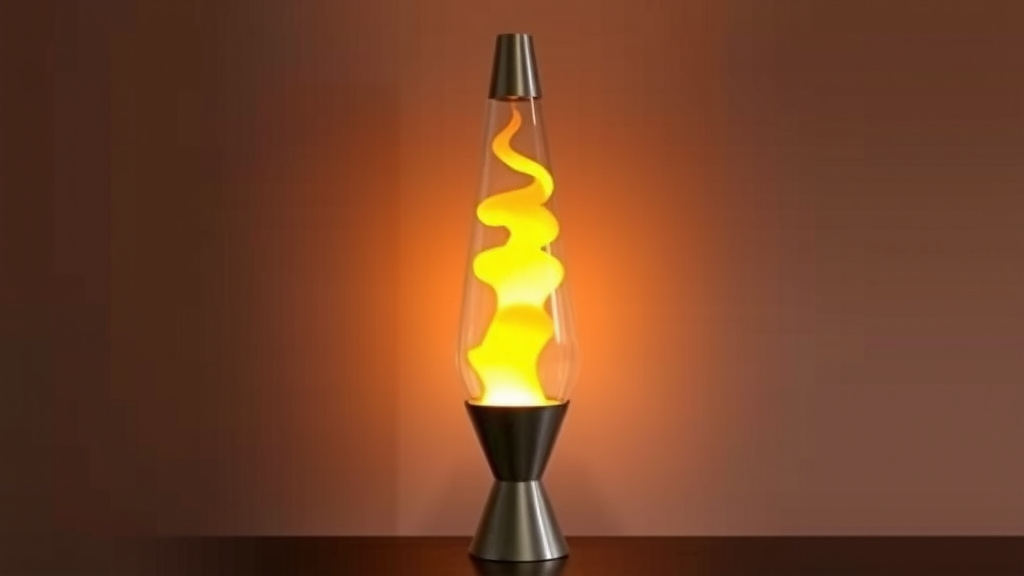
Most lava lamps take 2 to 3 hours to cool down after you switch them off. The wax needs plenty of time to harden back into its solid shape. Smaller lamps cool faster, while larger ones can take even longer than 3 hours.
Wondering why it takes so long? It all comes down to the wax and the heat. The bulb warms the wax until it turns gooey and floats around. Once the heat is gone, that wax slowly firms up again. We researched this topic and found that room temperature plays a big role too. A chilly room speeds things up. A warm one slows everything down.
- A standard lava lamp takes about 2 to 3 hours to cool fully.
- The wax, not the glass, is what takes the longest to cool.
- Cooler rooms help lamps cool faster; warm rooms slow things down.
- Experts say you should let the wax harden before moving the lamp.
- Never put a hot lava lamp in the fridge to speed things up.
Below, we break down everything you need to know about lava lamp cool-down times, plus a few handy tips to keep your lamp happy. Let’s dig in.
Typical Cooling Times for Lava Lamps
We found that most lamps land in the 2 to 3 hour window, but size matters a lot. A small 11.5-inch lamp might firm up in about 90 minutes. A big 27-inch monster can take closer to 4 hours. Think of it like a roast in the oven. Bigger things hold heat longer.
| Lamp Size | Typical Cool-Down Time |
|---|---|
| Small (under 15 inches) | 1.5 to 2 hours |
| Classic (16 to 20 inches) | 2 to 3 hours |
| Large (25 inches and up) | 3 to 4 hours |
These are ballpark numbers, not promises. Your room, the bulb, and how long the lamp ran all shift the clock.
Why the Wax Takes So Long to Harden
Here’s the simple science. The wax is a blend designed to melt just below the bulb’s heat. Once melted, it holds that warmth like a heat battery. Glass cools fast. Liquid cools fast. Wax? Not so much.
We found that the wax sits at the bottom of the lamp in a thick layer, which slows heat loss even more. Heat escapes from the surface first. The middle stays warm long after the glass feels cool to your hand.
What Happens While the Lamp Cools
Right after you unplug it, the wax is still soft and floaty. Blobs keep drifting for a while. Then they slow down, sink, and merge into one lump at the base. That’s your cue the cooling is underway.
By the two-hour mark, the wax should look solid again, maybe with a slight give in the center. Give it a gentle tap test. Soft means wait a bit longer.
Room Temperature and Cooling Speed
A cool room is your friend. We found that a lamp in a 68-degree room hardens faster than one in a 78-degree room. Warm air acts like a blanket around the glass.
- Above 80°F: expect the longest cool-down times.
- Around 70°F: the standard 2 to 3 hour window.
- Below 60°F: faster cooling, but never freeze it.
How Long the Lamp Stays Warm to the Touch
The base and bulb area can feel warm for 1 to 2 hours after shutdown. The glass usually cools quicker than the metal base. So don’t judge by one touch.
Many safety guides suggest keeping hot lamps away from kids and pets until everything feels room temperature (U.S. Consumer Product Safety Commission). Burns are no joke, even from a groovy bedroom decoration.
Can You Speed Up the Cooling Process?
You can help a little, but there are limits. Moving air helps. Setting the lamp on a heat-safe surface away from sunlight helps. Cracking a window on a cool day helps.
What you should never do is shock the glass with extreme cold. Thermal shock can crack the vessel. Trust us, cleaning up lamp fluid and wax is not the vibe you’re going for.
Why the Fridge Is a Bad Idea
We found that rapid cooling stresses glass unevenly. That’s the same reason you don’t put hot Pyrex on a cold counter (U.S. Department of Agriculture discusses similar thermal shock principles in food safety contexts). A cracked lamp means a ruined lamp, plus a mess.
Patience wins here. Your lamp took hours to warm up. It needs hours to chill out. Fair is fair.
Safe Ways to Help It Cool Faster
- Place the lamp on a trivet or cork mat instead of carpet.
- Keep it out of direct sunlight.
- Run a fan across the room, not directly at the glass.
- Turn the lamp off on its own, without unplugging the bulb mid-cycle.
Should You Move a Lava Lamp While It’s Cooling?
Short answer: no. Wait until the wax is fully solid. Manufacturers like Lava-Lamp makers commonly advise against moving warm lamps because the liquid and wax can swirl into a cloudy mess.
We found that jostling warm wax can also leave it misshapen. Once it re-hardens in a weird shape, it may never flow the same way again. Your lamp’s whole charm is that slow, dreamy flow. Protect it.
Cooling and Lamp Lifespan: The Connection
Here’s something most people miss. Proper cool-down cycles actually extend your lamp’s life. Repeated overheating breaks down the wax over time. That leads to cloudiness and permanent clumping.
Many experts say you shouldn’t run a lava lamp for more than 8 to 10 hours at a stretch. Give it a full rest between sessions. Treat it like a marathon runner, not a 24-hour diner.
Smart Breaks Between Sessions
A good rhythm is running it in the evening, then letting it rest overnight. By morning, the wax is solid and the lamp is ready for another show. Simple and gentle.
Quick Cool-Down Checklist
Pin this list next to your lamp. Seriously, it helps.
- Power off at the switch, not just the outlet strip.
- Set the lamp on a heat-safe surface.
- Keep kids and pets away while it’s warm.
- Wait at least 2 hours before touching or moving.
- Do the gentle tap test before relocating.
- Store it upright, never on its side while warm.
Signs Your Lamp Hasn’t Cooled Yet
Not sure? Check for these clues. Warm base, soft wax, drifting blobs, or a slight wobble in the liquid when you nudge the base gently. Any of these means give it more time.
We found that a fully cooled lamp has a firm, single wax mound at the bottom and a base that matches room temperature. When in doubt, wait another 30 minutes. Your lamp will thank you with years of lazy, glowing blobs.
Conclusion
So, how long does a lava lamp take to cool down? Plan on 2 to 3 hours for most lamps, with smaller models finishing sooner and oversized ones needing closer to 4 hours. The wax is the slowpoke here, not the glass. Resist the urge to move it, chill it, or poke it before the wax is fully firm. A little patience tonight means a lamp that flows beautifully for years. Your next step? Power it down this evening, set it on a heat-safe spot, and let it rest overnight. By morning, it’ll be ready for another groovy show.
Frequently Asked Questions
Can I turn my lava lamp off and back on later the same day?
You can, but only if the wax has fully hardened first. Restarting a warm lamp can cloud the liquid and stress the wax. If it’s still soft, wait longer before flipping that switch.
Does a new lava lamp cool down faster or slower?
New lamps often take a bit longer to cool on the first few cycles. The wax blend needs a few warm-up sessions to settle into its normal rhythm. Give it a break or two before judging its timing.
Is it safe to leave a lava lamp plugged in but turned off overnight?
Yes, that’s perfectly fine. When the switch is off, no electricity reaches the bulb, so nothing heats up. Many people leave their lamps plugged in all the time and just control them with the switch.
What if my lava lamp’s wax never seems to fully harden?
If the wax stays soft after 4 or more hours, the room may be too warm, or the bulb could be running hot. Try moving the lamp to a cooler spot and check that you’re using the correct bulb wattage. If the problem continues, the wax blend may need replacing.
Can a lava lamp break if it cools down too slowly?
No, slow cooling is exactly what your lamp wants. Gradual temperature changes are gentle on the glass and wax. Only sudden, extreme temperature swings pose a real risk to the vessel.