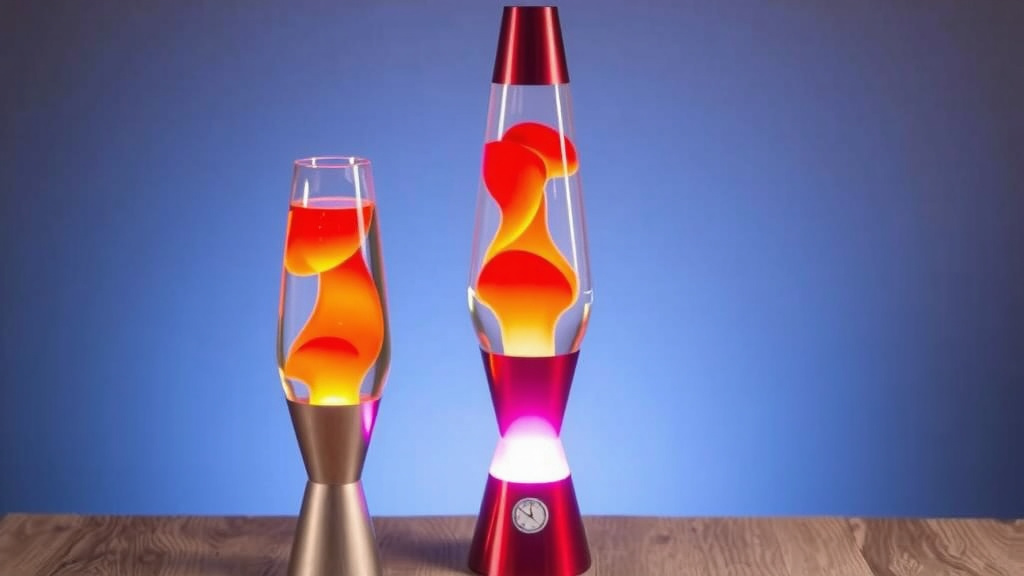
Why Do Lava Lamps Explode and How to Prevent It
Lava lamps can indeed explode, but it’s a very rare event. Most often, a lava lamp explosion happens when the glass container breaks due to overheating or a manufacturing defect. This releases the hot wax and liquid, which can be a startling mess.
While they’re designed for safety, several factors can lead to a lava lamp failing catastrophically. Understanding these risks helps you enjoy your groovy lamp without worry. We found that improper use can sometimes stress the materials.
- Lava lamps can explode, but it’s uncommon.
- Overheating is a main culprit for glass breakage.
- Manufacturing flaws can also cause weak spots.
- Always follow manufacturer instructions for safe operation.
Let’s walk through exactly why and how this can happen, so you know what to watch out for.
Understanding Why Lava Lamps Might Rupture
So, you’re curious about how lava lamps can potentially break apart. It’s a valid question, and understanding the science behind it can help you keep your groovy lamp safe and sound. We found that the main reasons relate to the materials used and how the lamp is operated.
The Pressure Cooker Effect: Heat and Expansion
Lava lamps work by heating a liquid and a waxy substance. This causes the wax to melt and change density. It then rises and falls within the glass bottle. It’s a beautiful dance, but extreme heat can push things too far. You see, most materials expand when they get hot. Glass is no different.
Overheating: The Primary Culprit
When a lava lamp gets too hot, the glass itself can become stressed. Imagine heating a sealed glass jar too much; the pressure inside builds up. Many manufacturers warn against leaving lava lamps on for too long. We found that prolonged use, especially in a warm room or near another heat source, can cause overheating. This puts unnecessary strain on the glass container.
What Happens During Overheating?
The wax and liquid inside the lamp expand. This creates more pressure against the glass walls. If the glass is already weakened, or if it gets heated unevenly, it can crack or shatter. This is one of the most common ways a lava lamp might have an issue. Think of it like a pot on the stove – too much heat for too long, and something might boil over or even break.
Manufacturing Weaknesses: Tiny Flaws, Big Problems
Even with the best intentions, manufacturing processes aren’t always perfect. We found that sometimes, tiny imperfections can exist in the glass. These might be small bubbles or variations in the thickness of the glass. These flaws create weak spots.
The Impact of Imperfections
A small flaw might not seem like much. But when combined with the constant heating and cooling cycles of a lava lamp, these weak spots can eventually give way. It’s like having a tiny crack in a windshield. It might hold for a while, but a bump or temperature change can make it spread rapidly. Many experts agree that even microscopic defects can lead to failure over time.
Quality Control Matters
Reputable lava lamp manufacturers have strict quality control. They test their products to ensure safety. However, rare defects can slip through. This is why it’s always a good idea to buy from trusted brands. We discovered that lamps with poor reviews often mentioned issues related to glass quality.
Risks Beyond Overheating and Defects
While heat and manufacturing are top reasons, other factors can contribute to a lava lamp incident. It’s wise to be aware of these potential pitfalls.
Sudden Temperature Changes: Thermal Shock
Glass doesn’t like sudden shifts in temperature. This is known as thermal shock. If you move a hot lava lamp to a very cold area, or vice versa, the glass can crack. It’s like taking a hot pan and running cold water over it; the drastic change causes stress. We found that this is less common but still a possibility.
Physical Impact: Dropping or Bumping
This might seem obvious, but it’s worth mentioning. Lava lamps are made of glass and contain liquid. Dropping one or even bumping it hard can cause it to break. The sudden jolt can fracture the glass, leading to a mess. It’s wise to place your lava lamp on a stable surface where it’s unlikely to be knocked over.
Age and Wear and Tear
Like any product, lava lamps can degrade over time. The constant heating and cooling can weaken the materials. The seals might also wear down. While many lava lamps last for years, very old ones might be more susceptible to issues. We found that older lamps, especially those with visible signs of wear, should be monitored more closely.
Improper Maintenance and Cleaning
Sometimes, how you clean or maintain your lamp can cause problems. Using harsh chemicals or abrasive cleaning pads can scratch or weaken the glass. Always follow the manufacturer’s cleaning instructions. A gentle approach is best for preserving the integrity of the glass. We advise against using anything that isn’t specifically recommended for glass care.
Using Non-Approved Bulbs or Modifications
Lava lamps are designed to work with a specific type of bulb. This bulb provides the right amount of heat. Using a bulb that’s too powerful can cause overheating. Similarly, making modifications to the lamp’s electrical components or the glass itself is a bad idea. We found that tampering with the design can lead to unpredictable and dangerous outcomes.
Quick Safety Checklist for Your Lava Lamp
To help you keep your lava lamp safe, here’s a quick checklist:
- Stable Surface: Always place your lamp on a flat, stable surface.
- Ventilation: Ensure good airflow around the lamp; don’t cover the base.
- Cool Down Period: Allow the lamp to cool completely before moving it.
- Proper Bulb: Use only the recommended wattage bulb.
- Avoid Overheating: Don’t leave the lamp on for excessively long periods.
- Gentle Cleaning: Use only recommended cleaning methods.
Conclusion
You’ve learned that while lava lamp explosions are rare, they’re usually linked to a few key factors. Overheating is a primary concern, stressing the glass due to expansion. Tiny manufacturing flaws can also create weak points that eventually fail under normal use. Other risks include sudden temperature changes, physical impacts, and using incorrect bulbs. By understanding these potential issues, you can take simple steps to ensure your groovy lamp provides years of mesmerizing visual pleasure.
Always remember to place your lava lamp on a stable surface, allow for proper ventilation, and never leave it on for excessively long periods. Following these guidelines is your best bet for safe enjoyment. Now go ahead and let your lava lamp glow worry-free!
Frequently Asked Questions
Can a brand new lava lamp explode?
Yes, a brand new lava lamp could potentially explode if it has a manufacturing defect. While rare, tiny imperfections in the glass can sometimes be present from the start. This is why purchasing from reputable brands with good quality control is advised.
What happens if I drop my lava lamp?
Dropping a lava lamp will likely cause the glass to break. Since it contains hot liquids and wax, this can create a significant mess. It’s best to place your lamp on a stable surface and avoid moving it when it’s hot to prevent accidental drops.
Is it safe to put a lava lamp near a window where it gets hot?
It’s generally not recommended. Placing your lava lamp in direct sunlight or near a heat source like a window can lead to overheating. This increases the internal pressure and stresses the glass, making it more prone to failure.
Can I leave my lava lamp on all the time?
No, most manufacturers advise against leaving lava lamps on continuously for extended periods. Prolonged use can cause overheating, which builds pressure inside the glass. Always allow your lamp to cool down completely before turning it off and on again.
What should I do if my lava lamp cracks?
If you notice any cracks in your lava lamp’s glass, you should stop using it immediately. A cracked lamp is a safety hazard. Unplug it, allow it to cool completely, and then dispose of it carefully to avoid further breakage and injury.
![10 Best Contemporary Lamp Shade [2026]](https://bestdesklamp.com/wp-content/uploads/2026/09/10-best-contemporary-lamp-shade-2026-featured-768x432.jpg)
![10 Best Bright Light Therapy Lamp [2026]](https://bestdesklamp.com/wp-content/uploads/2026/08/10-best-bright-light-therapy-lamp-2026-featured-768x432.jpg)
![10 Best Corner Led Lamp [2026]](https://bestdesklamp.com/wp-content/uploads/2026/09/10-best-corner-led-lamp-2026-featured-768x432.jpg)
![10 Best Ceiling Lamps For Living Room [2026]](https://bestdesklamp.com/wp-content/uploads/2026/08/10-best-ceiling-lamps-for-living-room-2026-featured-768x432.jpg)