How Hot Does a 150 Watt Heat Lamp Get
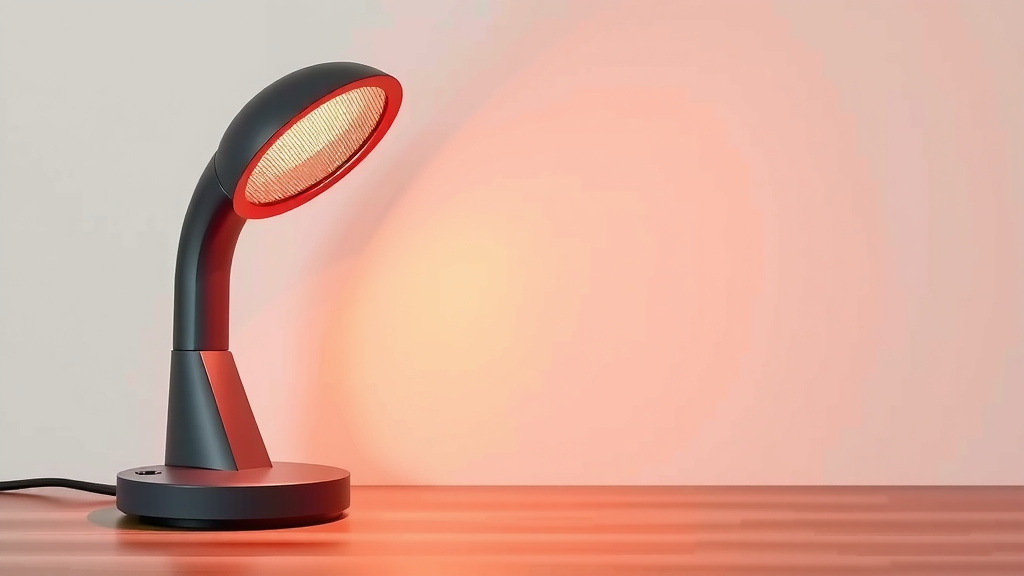
A 150-watt heat lamp can get very hot, typically reaching surface temperatures between 200°F and 300°F (93°C to 150°C). The exact temperature depends on factors like the bulb’s design and the surrounding air. It’s designed to radiate intense heat for specific applications, like warming livestock or drying paint.
It’s important to understand that these lamps are not toys and require careful handling. They produce a lot of heat for their size. This high output makes them effective for their intended purpose but also creates a potential burn hazard if misused. Always remember the wattage indicates its power, not just its light output.
TL;DR:
- 150W heat lamps get 200°F-300°F (93°C-150°C).
- Surface temperature varies by bulb and environment.
- They are meant for specific heating tasks, not general room warming.
- Handle with extreme care due to high heat output.
- Always use appropriate safety precautions.
Let’s walk through exactly what you need to know about how hot a 150-watt heat lamp gets and how to use one safely.
Understanding the Heat Output of a 150-Watt Heat Lamp
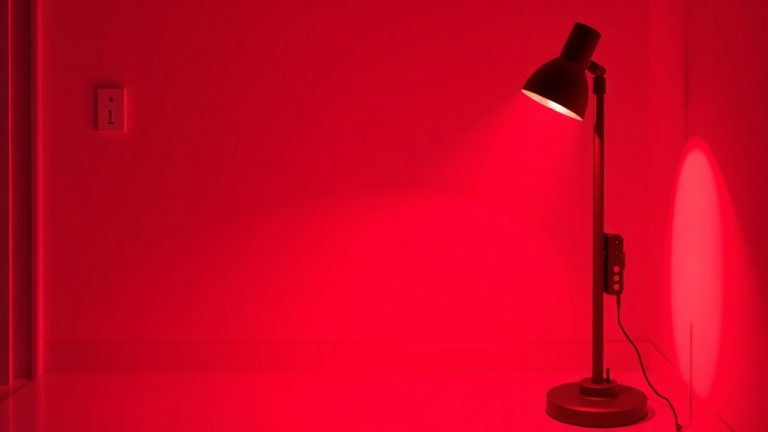
So, you’re wondering just how hot a 150-watt heat lamp gets? It’s a fair question, especially when you consider their purpose is to generate significant warmth. We found that these lamps are designed to produce a concentrated beam of infrared heat. This isn’t the same as the gentle warmth from a space heater. Think of it more like the focused heat from the sun on a small spot.
The surface temperature of the bulb itself can reach temperatures between 200°F and 300°F (93°C to 150°C). This is hot enough to cause severe burns almost instantly. It’s why you should never touch the bulb, even when it’s off, if it has been recently used. The heat lingers!
Factors Influencing Heat Lamp Temperature
While we know the general range, a few things can make your 150-watt lamp run a little hotter or cooler. It’s not just a one-size-fits-all situation. Let’s look at what makes a difference.
Bulb Material and Design
The type of bulb material plays a big role. Ceramic heat emitters, for instance, tend to get hotter on the surface than glass incandescent bulbs of the same wattage. Ceramic bulbs also glow red or orange, indicating intense heat output. We found that the design of the filament inside also matters. A more robust filament can handle higher temperatures and radiate more heat efficiently.
Enclosure and Ventilation
Where you put the lamp is also important. If the lamp is housed in a fixture with poor ventilation, the heat can build up. This trapped heat can cause the bulb to operate at a higher temperature than it would in an open-air setup. Many experts say that adequate airflow is key for safe operation (Occupational Safety and Health Administration – OSHA). You want the heat to radiate outwards, not get stuck.
Ambient Room Temperature
The temperature of the room where you use the lamp can have a small effect. If the surrounding air is already warm, the lamp might not need to work as hard to reach its operating temperature. Conversely, in a very cold environment, the lamp will have to work harder. You can think of it like trying to heat a room with a fan on its highest setting versus its lowest. The overall efficiency can change slightly.
Common Applications for 150-Watt Heat Lamps
These lamps aren’t for casual use; they are specialized tools. Understanding their intended purpose helps explain why they get so hot. They’re built for specific jobs requiring focused, intense heat.
Livestock and Reptile Enclosures
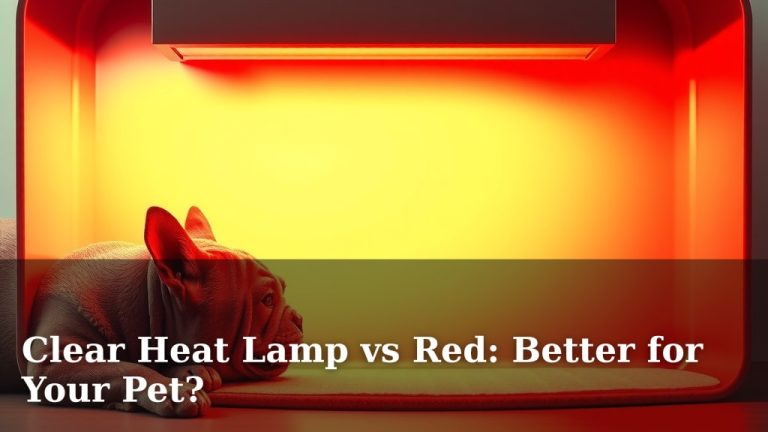
One of the most common uses is for warming animal enclosures. Think about chicks in a brooder or reptiles in a terrarium. These animals often need a specific, warmer spot within their habitat. A 150-watt heat lamp can provide that necessary warmth. We found that ensuring the lamp is at a safe distance from the animals is critical to prevent burns (American Veterinary Medical Association – AVMA).
Industrial and Workshop Uses
In workshops, these lamps are used for drying paint, curing adhesives, or warming materials. If you’ve ever had a car painted, you might have seen similar lamps used to speed up the drying process. They deliver a quick, intense burst of heat that helps these processes along much faster than ambient air drying.
Specialized Heating Needs
You might also find them used in scientific settings or for food warming applications. Any situation where you need to maintain a specific, elevated temperature in a localized area could call for a heat lamp. It’s all about that focused thermal output.
Safety First: Using Your Heat Lamp Responsibly
Given how hot these lamps get, safety is absolutely non-negotiable. Misusing a 150-watt heat lamp can lead to fires or serious injuries. Always remember that wattage is a measure of power consumption, and for heat lamps, Misusing a 150-watt heat lamp can lead to fires or serious injuries.higher wattage means more heat.
Safe Mounting and Placement
Never place a heat lamp where it can come into contact with flammable materials. This includes paper, cloth, sawdust, or even dry vegetation. Always use a proper, heat-resistant fixture designed for the type of bulb you are using. Ensure the fixture is securely mounted. We found that keeping a minimum distance of 18-24 inches from combustible materials is a good general rule (National Fire Protection Association – NFPA).
Temperature Monitoring and Control
Depending on your application, you might need to monitor the temperature closely. For animal enclosures, using a thermometer placed near the heat source helps ensure the temperature is safe. For some industrial uses, thermostats or dimmers can help regulate the heat output. It’s about finding that perfect balance of warmth without overheating.
Understanding Burn Risks
The surface temperature is incredibly high. Even a brief touch can cause a serious burn. Children and pets are especially at risk. Always ensure they are kept well away from the lamp and its direct heat. We found that educating everyone in the household about the dangers is essential.
Comparing Wattage: Why 150 Watts Stands Out
You might see heat lamps in a range of wattages. A 150-watt bulb is on the higher end for common consumer-grade heat lamps. Lower wattage bulbs, like 50W or 75W, produce less intense heat and are suitable for smaller spaces or less demanding applications. Higher wattage bulbs, if available, would generate even more heat.
What 150 Watts Means for Heat
A 150W bulb is designed to output a substantial amount of thermal energy. It’s powerful enough to create a significant warm zone. This is why they are effective for things like drying paint quickly or keeping a larger animal enclosure adequately heated. You’re getting a strong, reliable heat source.
Choosing the Right Wattage for Your Needs
Selecting the correct wattage is about matching the lamp’s output to your specific requirements. Too little wattage, and it won’t do the job. Too much, and you risk overheating or burning your subject. For most small to medium animal enclosures or typical workshop drying tasks, 150 watts hits a sweet spot. You want to avoid the temptation of just going for the highest wattage thinking it’s always better. It’s about the right tool for the job.
Bulb Types and Their Heat Output
It’s also worth noting that not all 150W bulbs are created equal in terms of heat distribution. Ceramic heat emitters (CHEs) are popular because they provide heat for long periods without emitting light, and they get very hot. Infrared bulbs focus their heat more intensely. Incandescent heat bulbs are more common and visible. We found that understanding the specific type of bulb helps predict its heat characteristics.
Safety Checklist: Using Your Heat Lamp
To ensure you’re using your 150-watt heat lamp safely and effectively, run through this quick checklist before each use:
- Secure Fixture: Is the lamp in a sturdy, heat-resistant fixture?
- Proper Distance: Is it positioned at a safe distance from flammable materials and living beings?
- Ventilation: Is there enough airflow around the lamp and its fixture?
- No Overlap: Is the heat beam focused only where it’s needed, avoiding unintended hot spots?
- Clear Area: Is the area around the lamp free from clutter and potential hazards?
- Monitoring: Do you have a way to monitor the temperature if necessary for your application?
Conclusion
You now understand that a 150-watt heat lamp generates substantial heat, typically between 200°F and 300°F. This intense warmth is perfect for specific tasks like warming animal habitats or drying materials quickly. We’ve seen that factors like bulb design and airflow play a role in its exact temperature. Remember, safety is always the top priority. Always use the correct fixture and maintain safe distances to prevent burns or fires. For your next heating project, carefully consider the wattage and application to ensure you’re using this powerful tool responsibly and effectively.
Frequently Asked Questions
Can a 150-watt heat lamp start a fire?
Yes, a 150-watt heat lamp can start a fire if not used correctly. Always keep it at a safe distance from flammable materials like paper, cloth, or bedding. Ensure it’s in a secure, heat-resistant fixture. Proper ventilation is also key to prevent heat buildup. Yes, a 150-watt heat lamp can start a fire if not used correctly.
How close can a 150-watt heat lamp be to animals?
The safe distance varies based on the animal and the specific lamp. For most applications with livestock or reptiles, we found that keeping the lamp at least 18-24 inches away is a good starting point. Always monitor the temperature in the enclosure with a thermometer to ensure it’s not too hot for the animals.
Do ceramic heat emitters get hotter than glass bulbs of the same wattage?
Yes, ceramic heat emitters often get hotter on their surface than glass incandescent bulbs of the same wattage. Ceramic bulbs are designed to radiate heat intensely and typically do not produce light. This makes them great for overnight heating but requires extra caution due to their high surface temperature.
Is a 150-watt heat lamp good for warming a small room?
No, a 150-watt heat lamp is not designed for warming a whole room. It produces a concentrated beam of heat for a specific area, not diffuse warmth. Using it to heat a room would be inefficient and potentially dangerous. For room heating, you’d need a different type of heater.
How do I know if my heat lamp is too hot?
If the area around the heat lamp feels excessively hot to the touch (even at a safe distance), or if materials nearby start to feel warm, it might be too hot or too close. For animal enclosures, use a thermometer to ensure the temperature is within the safe range for your specific pet. If the lamp’s fixture or the area around it is discolored, it’s also a warning sign.