Aladdin Lamp: How to Use It Safely and Correctly
If you’ve ever wondered what it would be like to own a piece of vintage elegance that actually works, an Aladdin lamp might be exactly what you’re looking for. These iconic oil lamps have been lighting homes since 1908, and they’re still going strong today. But here’s the thing—using an Aladdin lamp isn’t quite like flipping a light switch. There’s a genuine art and technique involved, and if you get it right, you’ll experience a warm, beautiful glow that electric lights simply can’t replicate.
In this comprehensive guide, I’m going to walk you through everything you need to know about using your Aladdin lamp safely and correctly. Whether you’re a seasoned enthusiast or picking one up for the first time, you’ll find practical tips that make the process straightforward and enjoyable.
Understanding Your Aladdin Lamp: What You’re Working With
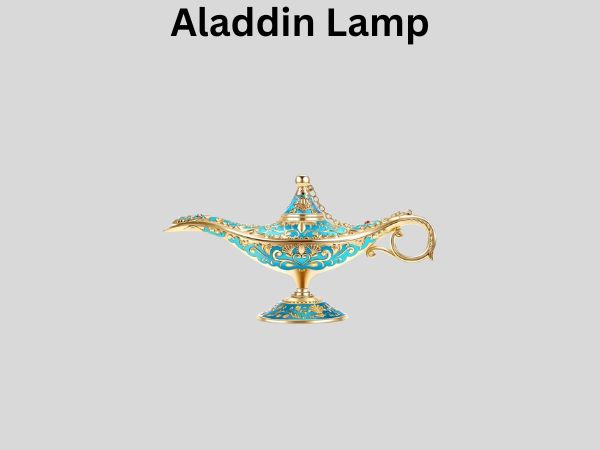
Before you light your Aladdin lamp, it helps to understand what makes it tick. An Aladdin lamp is fundamentally different from a regular candle or electric light. It’s a kerosene-powered lamp that produces light through a mantle—a delicate, mesh-like component that glows brilliantly when heated. Think of it like the filament in a traditional incandescent bulb, except this one uses fuel and air circulation instead of electricity.
The beauty of an Aladdin lamp lies in its simplicity and reliability. There are no circuits to fail, no batteries to die, and no dependence on the electrical grid. This is why people love them for emergency backup lighting, outdoor gatherings, and creating that nostalgic ambiance in their homes.
The Main Components You Should Know
Getting familiar with the parts of your lamp is the first step toward confident operation. Here are the essential components:
- The font or reservoir—this is the fuel tank that holds your kerosene
- The wick and wick raiser mechanism—controls how much fuel reaches the flame
- The mantle—the glowing component that produces most of the light
- The chimney—protects the mantle and directs heat upward
- The burner—where the magic happens, heating the mantle
- The air intake—allows oxygen to feed the flame
Choosing the Right Fuel for Your Aladdin Lamp
This is crucial, and I can’t stress it enough. Using the wrong fuel is like putting diesel in a gasoline engine—it simply won’t work the way it should. The fuel you choose directly impacts how well your lamp performs and how long it lasts.
Why Kerosene Is Your Best Option
Kerosene is the gold standard for Aladdin lamps. It’s specifically refined to burn cleanly and produce minimal smoke when used properly. When you use quality kerosene, your lamp produces that beautiful, steady light without excessive odor or soot buildup. Think of kerosene as the fuel that these lamps were designed for—it’s the perfect match.
You can find kerosene at hardware stores, garden centers, and online retailers. It’s inexpensive and widely available, which makes it your most practical choice for regular lamp use.
Fuel Alternatives and What to Avoid
While kerosene is ideal, some people experiment with alternatives. Lamp oil is sometimes used, though it tends to be more expensive without offering significant benefits. What you absolutely must avoid includes:
- Gasoline—dangerously flammable and unpredictable
- Diesel fuel—produces excessive smoke and odor
- Charcoal lighter fluid—creates toxic fumes
- Regular motor oil—burns inefficiently and damages your lamp
Stick with kerosene, and you’ll have a smooth, trouble-free experience.
How to Prepare Your Aladdin Lamp Before First Use
Getting your lamp ready is similar to preparing a new appliance. You can’t just fill it and light it—there are preparatory steps that ensure everything works properly.
Inspecting Your Lamp for Damage
First, give your entire lamp a thorough visual inspection. Look for cracks in the font, any loose components, or damage to the chimney. If you’ve purchased a vintage lamp, this step is even more important. Check that the wick raiser mechanism moves smoothly and that nothing seems corroded or stuck. A small problem now can prevent bigger issues once the lamp is burning.
Cleaning Your Lamp Thoroughly
Even new lamps benefit from a good cleaning. Use warm soapy water to clean the exterior, and a soft cloth to wipe down all glass components. For the interior of the font, you might need to rinse it several times with clean water to remove any dust or residue from manufacturing or storage.
Don’t forget about the chimney—a clean chimney makes a massive difference in light output. Grime and dust block light from escaping, making your lamp dimmer than it should be.
Installing a Fresh Mantle
If you’re working with a used lamp or one that hasn’t been used recently, install a new mantle. The mantle is fragile and degrades over time, so starting fresh is a smart move. To install a mantle, simply slide it over the burner tip and secure it gently. When you light the lamp for the first time, the mantle will burn away its outer layer—this is normal and expected, though it can produce some odor.
Filling Your Aladdin Lamp: The Right Way
This is where many people make their first mistake. Filling a lamp seems straightforward, but doing it correctly prevents spills, waste, and safety hazards.
Measuring and Pouring Your Kerosene
Fill your lamp in a well-ventilated area, preferably outdoors or near an open window. Use a measuring cup or the fill lines on your font to determine how much kerosene you’re adding. Most Aladdin lamps should be filled to about one inch below the fill hole—never overfill. Overfilled lamps leak, and leaking kerosene creates fire hazards and stains.
Pour slowly and steadily, keeping the spout of your kerosene container steady. If you’re working with a large container, consider using a funnel to minimize spillage. I always keep paper towels nearby for quick cleanup if small drips occur.
Preventing Common Filling Mistakes
Here are the errors I see people make repeatedly:
- Filling the lamp while it’s lit or still warm—always let it cool completely
- Overfilling to the absolute top—this causes leaks around the burner
- Using dirty kerosene with sediment—strain your fuel before using
- Forgetting to replace the filler cap—essential for safety and preventing evaporation
Take your time during this step, and you’ll avoid most issues.
Lighting Your Aladdin Lamp: A Step-by-Step Process
Now we get to the exciting part—actually lighting your lamp. This process requires patience and attention, but once you’ve done it a few times, it becomes second nature.
Initial Setup and Wick Adjustment
Before lighting, ensure your wick is set to the lowest position. You’ll do this by turning the wick raiser knob counterclockwise until the wick is at its minimum. The wick should extend just slightly above the burner tube. This low setting helps you control the flame as it builds.
Double-check that your chimney is clean and properly seated on the burner. A loose chimney creates uneven heating and poor light output.
Creating the Initial Flame
Light a long-stemmed lighter or long matches—regular matches are risky because they burn down quickly and might burn your fingers. Gently touch the flame to the exposed wick at the bottom of the burner. The wick should ignite readily if it’s been saturated with kerosene for adequate time.
Once the wick is lit, you’ll see a small yellow flame. This is normal and expected. Don’t get discouraged if it looks dim or smoky at this stage—we’re just getting started.
Raising the Mantle and Building Heat
After about 30 to 45 seconds of initial burning, slowly turn the wick raiser knob clockwise to gradually raise the wick. Turn it slowly—this isn’t a race. As the wick rises, the flame height increases, and more heat reaches the mantle. You’ll see the mantle beginning to glow with an orange-red color.
Continue raising the wick in gradual increments. After the mantle reaches a dull red glow, keep raising the wick until it turns into a bright white incandescence. The transition from red to white usually takes a few minutes. Once the mantle is fully white and glowing brightly, you’ve reached optimal light output.
Adjusting Your Flame for Optimal Performance
Getting the flame just right is where the art of lamp operation comes in. Too low, and your mantle won’t shine at full brightness. Too high, and you’ll create excess smoke and smell.
Finding Your Sweet Spot
The ideal flame height reaches approximately one-quarter inch above the burner tube. At this height, you’ll achieve maximum mantle brightness with minimal smoke. The light output should be steady and pure white, not flickering or wavering dramatically.
If you see a lot of yellow flame above the mantle, your wick is too high. Lower it slightly. If the mantle is barely glowing, raise the wick higher. This fine-tuning might take a few attempts, but you’ll develop an intuition for the right setting.
Understanding and Eliminating Smoke
Some smoke is inevitable, especially when first lighting your lamp or during the mantle seasoning process. However, excessive smoke indicates a problem that needs correction. Common causes include:
- Wick set too high—creates incomplete combustion
- Dirty or clogged wick—restricts fuel flow
- Poor air circulation around the lamp—insufficient oxygen for combustion
- Low-quality fuel—use fresh, clean kerosene
- Damaged or tilted chimney—disrupts heat circulation
Address these issues one by one, and you’ll eliminate most smoking problems.
Safety Considerations When Operating Your Aladdin Lamp
Safety should always be your top priority when working with any fuel-burning device. These lamps are quite safe when used correctly, but carelessness can lead to problems.
Preventing Fires and Burns
Never leave your lamp unattended while it’s burning. Always place it on a stable, level surface away from flammable materials like curtains, paper, or fabric. Keep the lamp at least three feet away from walls, curtains, and other combustible items.
The chimney and metal parts get extremely hot during operation. Never touch these components with bare hands. If you need to adjust anything, allow the lamp to cool completely first, or use heat-resistant gloves.
Proper Ventilation Is Non-Negotiable
Always operate your Aladdin lamp in a well-ventilated space. Open a window if you’re using the lamp indoors, or better yet, use it outdoors or in a space with good air circulation. This prevents the buildup of carbon dioxide and ensures you’re getting clean combustion.
Never seal your lamp in a completely closed room without ventilation. This creates unsafe conditions and can damage your lamp through improper combustion.
Handling Fuel Safely
Store your kerosene in approved containers, away from heat sources and direct sunlight. Keep it away from children and pets. When filling your lamp, work outdoors or in a well-ventilated area. Kerosene has a strong odor, and prolonged exposure in poorly ventilated spaces can be uncomfortable.
Never smoke while handling kerosene, and don’t fill your lamp near an open flame or electrical appliance.
Extinguishing Your Lamp: The Right Way
Turning off your lamp might seem obvious, but there’s a proper technique that protects your mantle and your fuel system.
The Gradual Lowering Method
Never blow out your Aladdin lamp. Instead, slowly turn the wick raiser knob counterclockwise to lower the wick gradually. As the wick descends, the flame height decreases, and the mantle’s glow dims.
Lower the wick all the way until the flame extinguishes naturally. The mantle will still be glowing orange—this is fine. Let it cool without any flame burning beneath it. The mantle is durable and won’t be damaged by this gradual cooling.
What Happens After You Turn It Off
After extinguishing your lamp, allow it to cool for at least 15 to 20 minutes before handling it. The metal components retain heat for quite a while, and you could burn yourself if you touch them prematurely.
Once the lamp is cool, you can carefully move it if needed. Don’t refill the lamp until it’s completely cooled—this is both a safety measure and helps prevent fuel evaporation from the heat.
Troubleshooting Common Aladdin Lamp Problems
Even with careful operation, you might encounter issues. Here are solutions to the most common problems:
Your Lamp Won’t Light
If your wick refuses to ignite, check that it’s actually saturated with kerosene. A dry wick won’t light. Also, verify that you’re using actual kerosene, not a substitute. Sometimes, a wick that hasn’t been used in months becomes dry and needs time to absorb fuel. Fill your lamp and wait a few hours before trying again.
Excessive Smoking During Operation
As mentioned earlier, excessive smoke usually indicates a wick that’s set too high or fuel that’s dirty. Lower your wick incrementally and see if the smoke decreases. If it persists, consider replacing your wick entirely. Sometimes, a slightly worn wick burns inefficiently.
The Mantle Won’t Glow Brightly
A dim mantle means insufficient heat reaching it. Raise the wick higher, but watch for smoke. If raising the wick doesn’t help, your mantle might be damaged or deteriorated. Check it carefully—if it has holes or damaged sections, replace it with a fresh one.
Uneven Burning or Flickering Flames
This often indicates that your chimney isn’t sitting perfectly straight or that you have air currents disrupting the flame. Reposition your chimney, ensure it’s centered on the burner, and move your lamp away from fans or air conditioning vents.
Regular Maintenance to Keep Your Lamp Running Smoothly
Like any device, your Aladdin lamp benefits from regular maintenance. This extends its lifespan and ensures consistent performance.
Weekly Cleaning Routine
After each use, once the lamp has cooled, wipe down the exterior with a soft, dry cloth. Once a week, clean the chimney inside and out using a soft cloth or newspaper. For stubborn grime, use warm soapy water and dry thoroughly before your next use
![10 Best Buy Floor Lamp [2026]](https://bestdesklamp.com/wp-content/uploads/2026/08/10-best-buy-floor-lamp-2026-featured-768x432.jpg)