How Long Should You Use a SAD Lamp? Daily Guide for 2026
Most people should use a sad lamp for 20 to 30 minutes each morning. That’s the sweet spot we found after digging through expert guidance on light therapy. If you’re using a 10,000-lux lamp, that short session is all you need to see results.
So why does timing matter so much? Because when you sit under that bright light can matter just as much as how long. Many experts say morning sessions work best, since they help reset your body clock. And if you’re battling the winter blues, you’ll likely want to keep this routine going all season long.
Here’s the quick version:
- Start with 20 to 30 minutes per day, ideally in the morning.
- Use a lamp that gives off 10,000 lux for the best results.
- Most people notice a mood boost within 1 to 2 weeks.
- Keep using it daily through the darker months.
- If you feel jittery or get headaches, shorten your sessions.
Still wondering what happens if you overdo it, or whether you can skip a day? Below, we break down everything you need to know about how long to use a sad lamp, step by step. Let’s get you feeling brighter, fast.
Finding the Right Daily Light Therapy Duration
So you know the 20 to 30 minute rule. But what if your lamp is weaker, or your schedule is packed? The right duration depends on your lamp’s brightness, your symptoms, and how your body responds.
Think of it like coffee. A strong espresso needs less volume than a weak drip brew. Light therapy works the same way — more lux means less time under the lamp.
Matching Session Length to Your Lamp’s Brightness
Most quality lamps put out 10,000 lux when you sit about 16 to 24 inches away. At that distance and strength, 20 to 30 minutes is the standard dose many clinicians recommend (Mayo Clinic).
Got a dimmer lamp that only hits 2,500 lux? You’d need roughly two hours to get the same effect. That’s a big commitment for a busy morning, so we found it’s usually smarter to buy a brighter lamp than to sit there all day.
| Lamp Brightness | Suggested Daily Time |
|---|---|
| 10,000 lux | 20 to 30 minutes |
| 5,000 lux | About 45 to 60 minutes |
| 2,500 lux | Up to 2 hours |
One catch: distance matters. Step back from your 10,000-lux lamp and you’re getting less light than the label promises. Check the manufacturer’s distance guide, then sit where they say the reading applies.
What If You’re Just Starting Out?
Ease in. Many experts suggest starting with 10 to 15 minutes for the first few days, then building up. Your eyes need time to get used to the brightness.
If you feel fine right away, jump to the full session. No trophy for suffering through eye strain.
Why Morning Sessions Beat Evening Ones
Timing isn’t just a suggestion — it’s part of the treatment. Research suggests light therapy works best shortly after waking, ideally between 6 a.m. and 9 a.m. That’s when your body clock is most ready to reset (Cleveland Clinic).
Here’s why: bright light in the morning tells your brain “daytime has started.” Light at night does the opposite and can mess with your sleep. We found that people who use sad lamps late in the day sometimes end up wide-eyed at midnight. Not the goal.
Can You Use a Sad Lamp at Night?
Short answer: it’s risky. A few people with shift work or delayed sleep patterns do use evening light on purpose, but only under guidance from a sleep specialist. For most of us chasing seasonal blues, morning is the safe bet.
If mornings are impossible for you, ask your doctor before switching to afternoon sessions. Afternoon light is less studied but sometimes still helps.
How Long Before You Notice Results
Patience here, friend. Some people feel a lift in 2 or 3 days. For most, it takes 1 to 2 weeks of daily use before the mood shift shows up (NIH).
If nothing changes after 3 to 4 weeks, don’t quit abruptly — talk to a doctor first. Sometimes the dose, timing, or lamp quality needs adjusting. And sometimes seasonal sadness is actually major depression, which needs more than light alone.
Should You Keep Using It All Winter?
Yes, most likely. Many experts say the benefits fade once you stop daily sessions. Think of the lamp like brushing your teeth — skipping a day won’t ruin you, but the routine is what carries the result.
A common plan: start in early fall, before symptoms kick in, and continue until sunny spring days return. Some people taper off gradually; others stop when the sun starts showing up for breakfast again.
Can You Have Too Much of a Good Thing?
You can. Overdoing light therapy doesn’t cause sunburn — proper lamps filter UV — but it can bring side effects worth knowing:
- Eye strain or blurry vision
- Headaches
- Feeling jittery, wired, or agitated
- Trouble falling asleep (if used late)
- Nausea in sensitive folks
If any of these show up, shorten your sessions or sit farther from the lamp. Symptoms usually fade within days of dialing back (Cleveland Clinic).
Easy Ways to Fit a Session Into Your Morning
The best duration is the one you’ll actually do. We found that pairing your lamp with an existing habit makes it stick:
- Sit under the lamp while you drink your coffee or tea.
- Prop it next to your laptop during morning email.
- Use it while you eat breakfast.
- Do your makeup or shave in front of it.
- Read the news or a book for exactly 30 minutes.
Consistency beats perfection. A slightly imperfect daily habit wins over a flawless plan you quit by week two.
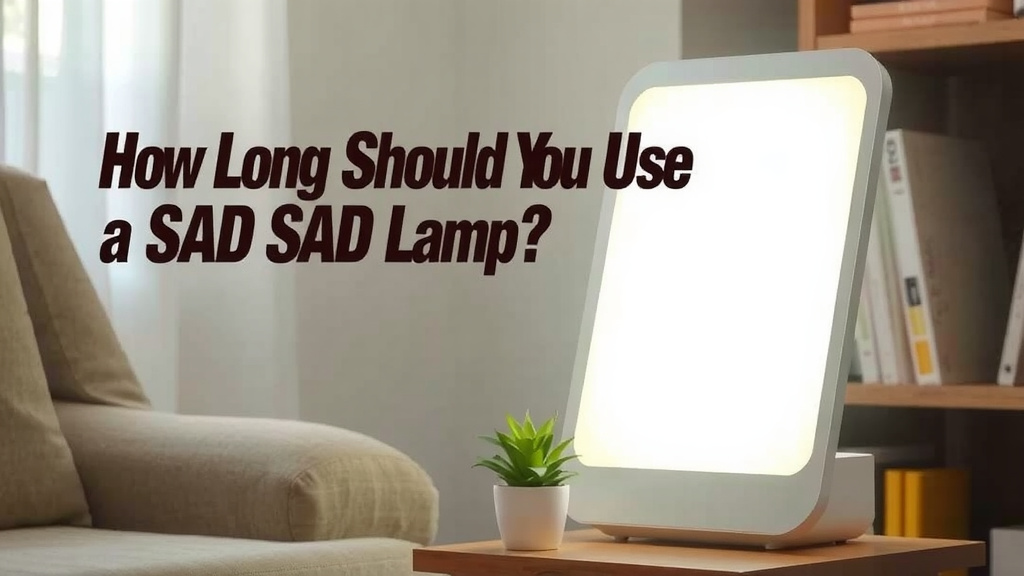
Your Light Therapy Starter Checklist
Ready to begin? Here’s a quick setup checklist to get you going right:
- Pick a lamp rated at 10,000 lux with UV light filtered out.
- Place it 16 to 24 inches from your face, slightly off to the side.
- Schedule 20 to 30 minutes shortly after waking.
- Angle the light toward your eyes, but don’t stare directly at it.
- Start with shorter sessions for the first few days.
- Track your mood weekly so you can spot improvement.
One more safety note: if you have eye conditions, bipolar disorder, or take medications that increase light sensitivity, check with your doctor before starting (Mayo Clinic).
Adjusting Your Routine as the Seasons Change
Your needs won’t stay static. On bright, sunny winter days, you might skip the lamp and get your light outdoors instead — a 30-minute morning walk can do similar work for your body clock. On gray, gloomy stretches? That’s when your lamp earns its keep.
As spring arrives, most people can taper down — maybe every other day, then only on cloudy mornings. Listen to your mood. If the fog creeps back on overcast weeks, plug the lamp in again.
We found that treating the lamp as a seasonal tool, not a forever appliance, keeps the routine feeling light (pun fully intended). Your winter self will thank your spring self for the plan.
Conclusion
You’ve got everything you need now. Keep your sessions to 20 to 30 minutes with a 10,000-lux lamp, stick to mornings, and ride the routine through the dark months. Results usually show up in a week or two, so give it honest time before judging. If side effects creep in, dial back the minutes or distance instead of quitting. And remember, the lamp is a seasonal tool, not a lifetime sentence. Your next step is simple: pick your morning anchor — coffee, email, breakfast — and set the lamp beside it tomorrow. One small habit, brighter mornings ahead.
Frequently Asked Questions
Can I use a sad lamp twice a day?
Most people do fine with one morning session, and we found that splitting it rarely adds benefit. If your doctor suggests more light exposure, a short second session at midday is the safer bet. Avoid evening use, since it can disrupt your sleep.
Do I need to wear special glasses during light therapy?
No, regular eyeglasses or contacts are fine. The light needs to reach your retinas to work, so don’t wear sunglasses or tinted lenses during your session. Just angle the lamp toward your eyes without staring directly at it.
Can I use a sad lamp while wearing makeup or skincare products?
Absolutely. The light doesn’t interfere with cosmetics or sunscreen, and proper lamps filter UV anyway. Sit at your normal distance and go about your routine as usual.
Is it okay to skip weekends with my light therapy lamp?
You can, but your results may fade faster. Daily use keeps your body clock steady, so we suggest keeping weekends in the routine. If you must skip, get outside for morning daylight instead.
Can children or teens use a sad lamp safely?
Light therapy can help younger people with seasonal mood dips, but check with a pediatrician first. Kids often need shorter sessions, and a doctor can rule out other causes. Never let a child use the lamp unsupervised.