How Nail Lamps Work: The Science Behind Curing Gel Polish
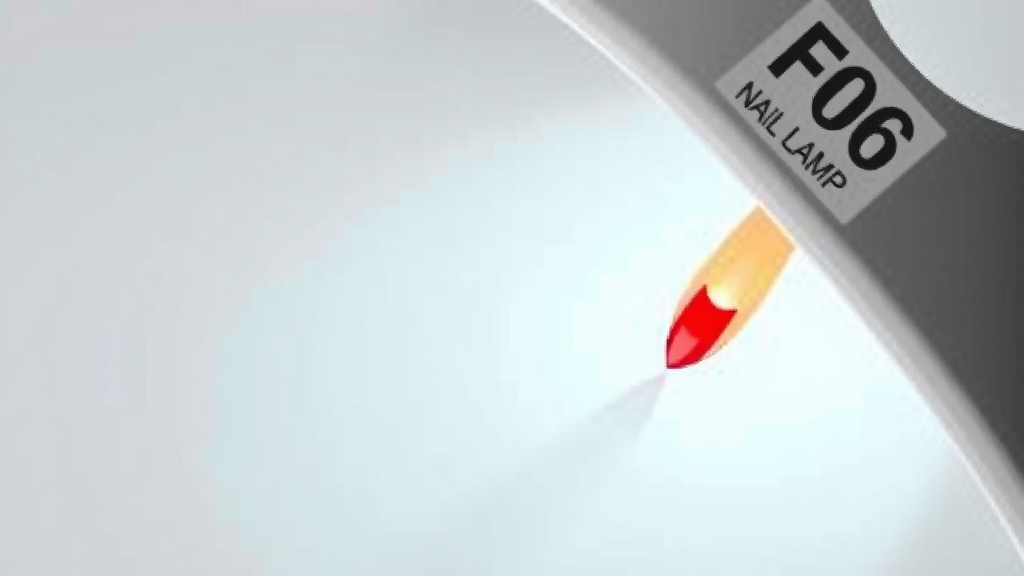
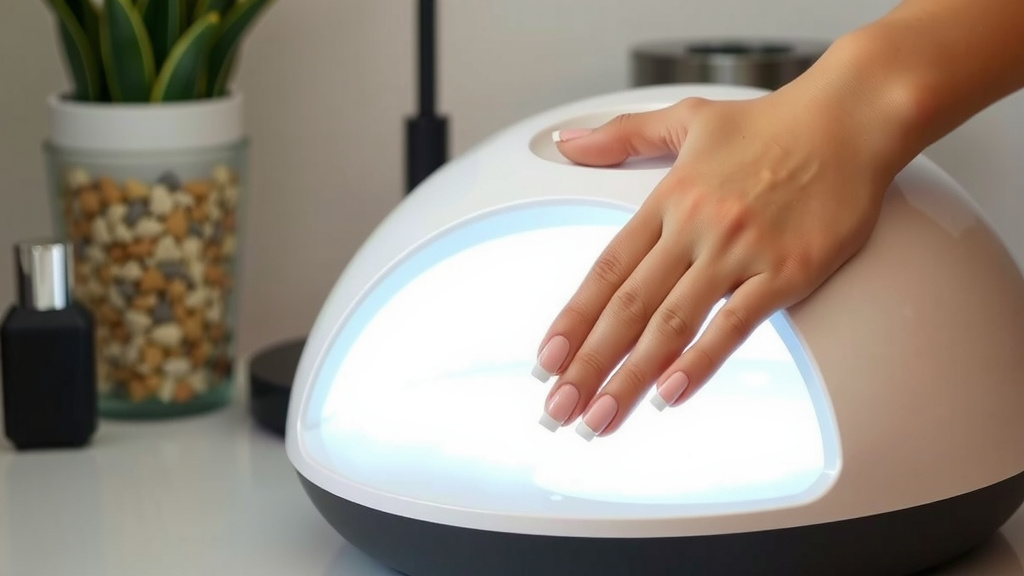
Nail lamps work by using UV or LED light to cure (harden) special gel nail polishes. This process creates a durable and shiny finish. The light waves trigger a chemical reaction in the gel, making it harden instantly.
Many people wonder if these lamps are safe. Research indicates that while occasional use is generally considered safe, prolonged or excessive exposure might pose risks. It’s wise to use them as directed and consider protective measures for your skin.
- Nail lamps harden gel polish with UV or LED light.
- This light starts a chemical reaction to cure the gel.
- They create a long-lasting, professional-looking manicure.
- Safety is a consideration; use them as directed.
Let’s walk through exactly how these handy tools make your gel manicures last so long. We’ll cover what makes them tick!
Understanding How Nail Lamps Work Their Magic
So, you’ve got your favorite gel polish and you’re ready for that salon-smooth finish at home. But have you ever paused to think about the little lamp that makes it all happen? It’s not just a fancy light; it’s a key player in your manicure. We’ve found that understanding its role can make you appreciate your gorgeous nails even more.
The Science Behind the Shine: UV vs. LED Curing
At its core, a nail lamp uses specific types of light to harden gel polish. This process is called curing. Think of it like baking, but instead of heat, you’re using light. The gel polish contains special photoinitiators that react to this light. When the light hits them, they start a chain reaction, causing the liquid gel to transform into a solid, durable coating.
UV Lamps: The Traditional Approach
UV (Ultraviolet) lamps were the original nail lamps. They emit a broader spectrum of UV light. This light is very effective at triggering the curing process. However, it typically takes longer to cure the gel compared to newer LED lamps. You might find yourself placing your hands under the UV light for 2-3 minutes per coat. We found that older models often relied solely on UV technology.
How UV Light Cures Gel
UV light has a specific wavelength that photoinitiators in gel polish recognize. When this light energy is absorbed, it causes the molecules in the gel to link together. This linking process is what hardens the polish. It’s like building a strong, interconnected network of molecules.
LED Lamps: The Modern Marvel
LED (Light Emitting Diode) lamps are the newer, more popular option. They emit a more targeted wavelength of light, specifically in the UV-A range. This means they are much more efficient at curing gel polish. Because of this efficiency, LED lamps can cure polish in a fraction of the time – often just 30 to 60 seconds per coat! Many experts say this speed is a major advantage.
Why LED Lamps are Faster
LEDs produce a higher intensity of the specific light wavelengths needed for curing. This concentrated power gets the photoinitiators in the gel working much faster. It’s similar to using a high-powered spotlight versus a dimmer lamp; the spotlight gets the job done quicker. We found that this speed is why most salons have made the switch.
Hybrid Lamps: The Best of Both Worlds?
You might also see hybrid lamps. These combine both UV and LED bulbs. They aim to offer the fast curing times of LEDs while still having the broader spectrum that might work with older or specialty gel formulas. We found that these can be a versatile option for many users.
What’s Inside Your Nail Lamp?
Beyond the bulbs, nail lamps have a few other key components. These work together to ensure your manicure cures properly and safely. Understanding these parts can help you choose the right lamp for your needs.
The Light Source: Bulbs and Diodes
As we discussed, this is the heart of the lamp. Whether it’s fluorescent UV tubes or solid-state LED diodes, their job is to emit the necessary light waves. The number and wattage of these bulbs can affect curing speed and effectiveness. More bulbs or higher wattage usually means faster curing.
The Timer: Precision for Perfect Cures
Most nail lamps come with a built-in timer. This is super important! Gel polish needs to cure for a specific amount of time. Too little time, and it won’t harden properly, leading to a smudged or peeling manicure. Too much time, and it can become brittle or even damage your natural nail underneath. We found that timers prevent over-curing.
Common Timer Settings
You’ll typically see timers offering settings like 10, 30, 60, and sometimes 90 or 120 seconds. Many lamps also have a “low heat” or “soft” mode, which is great for preventing that uncomfortable heat spike some people feel during curing, especially on the first coat. This gentle approach is highly recommended by nail technicians.
The Reflective Interior: Maximizing Light Exposure
Take a peek inside your nail lamp. You’ll likely see a shiny, mirrored surface. This isn’t just for decoration! This reflective interior bounces the light around, ensuring that it reaches every part of your nail surface. This maximized exposure helps cure the gel evenly and efficiently. We found that a good reflector makes a noticeable difference.
Is It Safe to Use Nail Lamps? A Look at the Evidence
This is a question on many minds. We all want beautiful nails, but not at the expense of our health. Research into the safety of nail lamps primarily focuses on UV exposure.
Understanding UV Exposure from Nail Lamps
UV lamps emit UVA rays, which are the same type of rays found in tanning beds. While the exposure time for a manicure is much shorter than a tanning session, the intensity can still be a concern for some. Many health organizations, like the Skin Cancer Foundation, suggest that repeated exposure to UV light can increase the risk of skin damage and potentially skin cancer. We found that guidelines often recommend limiting exposure.
What the Research Suggests
Studies have looked into the DNA damage caused by nail lamps. Some research indicates a potential for cell damage after repeated use (NCBI). However, the overall risk is generally considered to be low for typical home use compared to prolonged sun exposure or tanning beds. Many experts emphasize that the risk is cumulative.
Safety Tips for Using Nail Lamps
To minimize any potential risks, you can take a few simple steps. We found these tips to be very helpful:
- Apply broad-spectrum sunscreen to your hands 15-20 minutes before using the lamp.
- Wear UV-blocking gloves.
- Limit your use of nail lamps to occasional manicures.
- Ensure your lamp is functioning correctly and not emitting excessive heat.
- Follow the recommended curing times for your specific gel polish brand.
LED Lamps and Safety Concerns
LED lamps generally emit less intense UV light than traditional UV lamps. Because they cure so much faster, the total UV exposure time is significantly reduced. Some studies suggest LED lamps may pose a lower risk than UV lamps due to their shorter curing times. However, experts still advise caution, and the safety tips above are still relevant.
Ultimately, nail lamps are powerful tools that leverage light to create beautiful, long-lasting gel manicures. By understanding how they work and taking a few simple precautions, you can enjoy your at-home manicures with confidence!
Conclusion
You’ve learned that nail lamps use UV or LED light to cure gel polish through a chemical reaction. Whether you choose a traditional UV lamp or a faster LED model, understanding their components like bulbs and timers helps you achieve perfect results. While occasional use is generally safe, we found that taking simple precautions like wearing sunscreen can protect your skin.
Enjoy your beautiful, long-lasting gel manicures by following recommended curing times and keeping your lamp in good condition. Your next salon-quality manicure is just a lamp away!
Frequently Asked Questions
Can I use any gel polish with any nail lamp?
Generally, yes, but it’s best to check the gel polish manufacturer’s recommendations. Some older gel formulas might cure better under UV lamps, while most modern gels are designed for the speed of LED lamps. Using the wrong lamp might result in incomplete curing.
How often can I safely use a nail lamp?
For home use, occasional manicures are typically considered safe. We found that limiting use to a few times a month is a common recommendation. If you’re concerned about UV exposure, consider wearing sunscreen or UV-blocking gloves before each use.
What does the “low heat” or “soft” mode on a nail lamp do?
This mode gradually increases the light intensity, which helps to prevent the uncomfortable heat spike some people feel as the gel cures. It’s especially helpful for sensitive nails or when applying thicker coats of gel polish.
Do LED nail lamps emit any UV light at all?
Yes, LED lamps emit UV-A light, which is what cures the gel polish. However, they emit a more concentrated and specific wavelength than traditional UV lamps. This efficiency means shorter exposure times and often less overall UV exposure.
What if my gel polish doesn’t cure properly after using the lamp?
This could happen if the lamp’s bulbs are old or weak, the curing time was too short, or the gel polish isn’t compatible with the lamp’s light spectrum. Ensure your lamp is functioning correctly and always follow the recommended curing times for your specific gel polish.

![10 Best Battery Lamp [2026]](https://bestdesklamp.com/wp-content/uploads/2026/08/10-best-battery-lamp-2026-featured-768x432.jpg)