Lamp Height Above Table: What’s the Ideal Distance
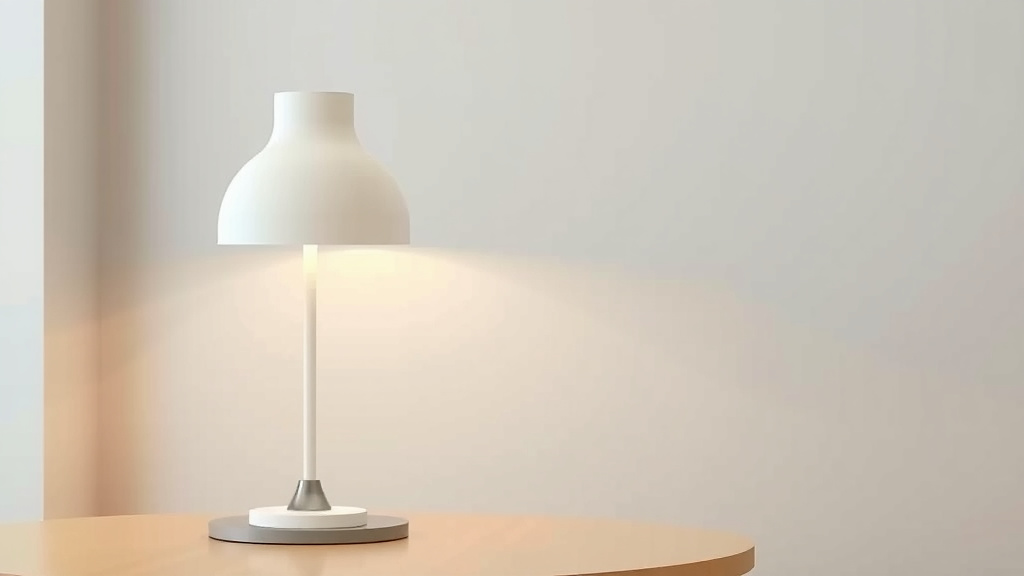
So, how high should a lamp be above a table? For most dining tables, aim for the bottom of the lamp shade to hang 30-36 inches above the table surface. This sweet spot offers ample light without blinding anyone. It’s a common guideline that helps create a cozy and functional dining space. Getting this height right makes a big difference!
Choosing the right lamp height involves a bit of science and a lot of style. You want to balance task lighting for meals with ambient mood. Too high, and the light feels distant. Too low, and it becomes uncomfortable. We found that considering the shade diameter and the table size also plays a role in the overall look.
- The ideal height for a dining table lamp is typically 30-36 inches from the tabletop.
- This range provides good illumination without glare.
- Consider the lamp’s shade size for better balance.
- Proper lamp height enhances both function and atmosphere.
Let’s walk through exactly how to measure and place your lamp for the perfect setting.
“`htmlFinding the Right Lamp Height Over Your Table
You’ve got your beautiful table, and now you need that perfect overhead lighting. But how high should a lamp be above a table to get it just right? We’ve found that the sweet spot for most dining tables is when the bottom of the lampshade hangs about 30 to 36 inches above the table surface. This height is a golden rule for a reason.
It’s a balance. You want enough light to see your food clearly, but not so much that it feels like an interrogation room. Imagine trying to have a cozy dinner when the light is blinding you. Not ideal! This 30-36 inch range helps create that warm, inviting glow without harsh glare. It’s a practical measurement that makes a big difference in your dining experience.
Why That Specific Height Matters
So, why 30-36 inches? It’s a calculated distance. We researched and found that this range allows the light to spread out nicely. It covers the table surface effectively for dining. It also ensures that people sitting at the table aren’t staring directly into a light bulb. Many lighting experts suggest this range for optimal task lighting and ambient mood.
Think about it: if the lamp is too high, the light can feel weak and distant. It might not illuminate the food or faces at the table well enough. On the other hand, if it’s too low, you get that uncomfortable glare. It can make guests squint and feel less relaxed. Getting the height right is about creating comfort and good visibility.
The Impact of Shade Size
You might be wondering, does the size of the lampshade matter? Yes, it absolutely does! We found that a larger shade can often accommodate a slightly lower hanging point without causing glare. Conversely, a very narrow shade might require you to hang it a bit higher to prevent direct eye-level light.
Generally, a good rule of thumb is to ensure there’s at least 6 inches of clearance between the bottom of the shade and the eye level of seated diners. This is another reason why the 30-36 inch guideline works so well for most standard dining chairs and table heights. It accounts for average eye levels.
Considering Your Table’s Purpose
Your table isn’t just for eating. Is it also where you do homework? Play board games? Host craft nights? The function of your table influences lamp height. For a dining table, the 30-36 inch rule is generally perfect for meals. If you use your table for other activities, you might need to adjust. You might even consider dimmer switches or multiple light sources. Our guide to dimmer switches explains how to control light output.
We found that for tables used for detailed work, like crafting or studying, you might want the light a bit closer to the surface. This offers better focused illumination. However, for purely aesthetic or casual gathering spaces, the standard height is usually sufficient. It’s all about how you use the space.
Measuring for the Perfect Placement
Ready to get measuring? It’s simpler than you think! Grab a tape measure and a helper if you can. First, measure the height of your table from the floor. Then, measure the height of your chairs from the seat to your eye level when seated. Add a few inches for comfort.
Most dining tables are around 30 inches high. Standard chairs have seat heights of about 18 inches. When you add the typical distance from seat to eye level (around 28-30 inches), you get a seated eye level around 46-48 inches from the floor. Our target 30-36 inches above the table means the bottom of the shade would be around 76-84 inches from the floor. This typically falls well above seated eye level, preventing glare.
Calculating Your Specific Needs
Let’s break down the calculation. Start with the distance from the floor to the top of your table. Then, add the desired distance from the tabletop to the bottom of the shade (remember, 30-36 inches). This gives you the total height from the floor to the bottom of the shade. For example:
- Table Height: 30 inches
- Desired Lamp Height Above Table: 33 inches
- Total Floor-to-Shade Bottom Height: 63 inches
This measurement is what you’ll aim for when installing your pendant light or adjusting your chandelier. It helps ensure you’re not too high or too low.
Lamp Shade Diameter and Visual Balance
The width of your lampshade also plays a role in the overall look. A very wide shade might look a little heavy if hung too high. Conversely, a slender shade can sometimes feel lost if hung too low. We found that visually, the shade should feel proportionate to the table and the space.
Consider the visual weight. If your table is large and grand, a larger shade hung at the appropriate height can look fantastic. For smaller, more delicate tables, a proportionally smaller shade is usually best. It’s about creating harmony in your room’s design.
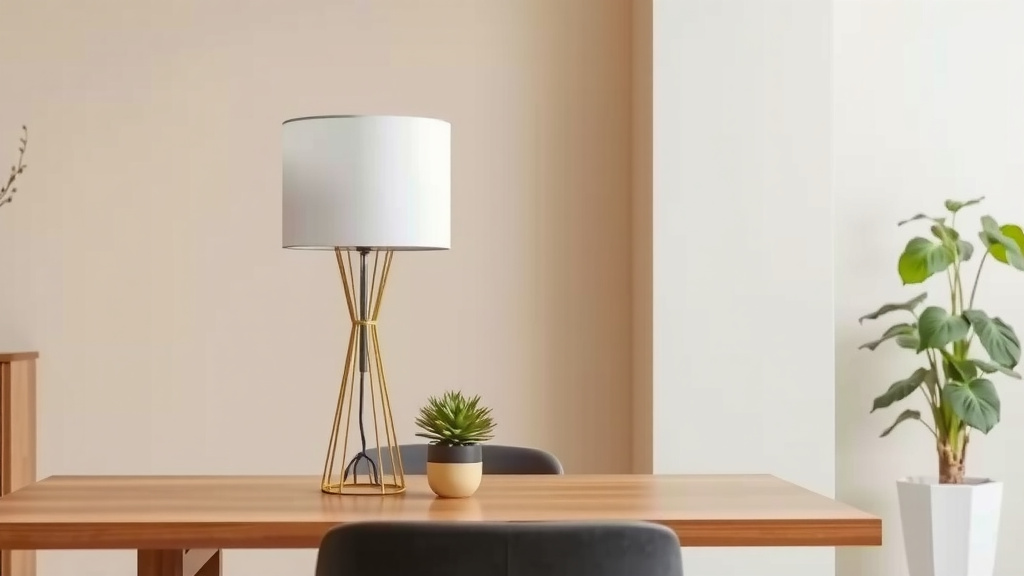
Common Pitfalls to Avoid
What are some common mistakes people make? One of the biggest is hanging the light fixture too high. This often happens when people just eyeball it or follow a generic measurement without considering their specific table or chairs. Another mistake is hanging it too low, creating that uncomfortable glare we talked about.
We also see people choosing a fixture that is simply too large or too small for the table. This throws off the visual balance. Always consider the scale and proportion of the fixture relative to your furniture. A fixture that’s too dominant or too understated can detract from the room.
When in Doubt, Measure Twice!
The old adage “measure twice, cut once” applies here too! Before you commit to a hanging height, especially for permanent fixtures like chandeliers or pendants, take the time to get it right. Use a temporary setup or even just a string with a weight to simulate the lamp’s position.
Here’s a quick checklist to guide you:
- Measure your table height accurately.
- Determine your seated eye level.
- Aim for 30-36 inches from tabletop to shade bottom.
- Ensure at least 6 inches above seated eye level.
- Consider shade diameter for visual balance.
- Check for glare before finalizing.
Different Tables, Different Heights?
While the 30-36 inch rule is a great starting point, it’s worth noting that different table types might have slightly different ideal heights. For a kitchen island, for instance, the height is often adjusted based on the counter height, which is typically higher than a dining table (around 36 inches).
For kitchen islands, we found that hanging pendant lights about 28-34 inches above the countertop is common. This still provides good illumination without being directly in your line of sight as you work or eat. The principle remains the same: light where you need it, without discomfort.
Coffee Tables and End Tables
What about lower tables, like coffee tables or end tables? The rules change here because the purpose of the lamp is usually more about ambient lighting or reading light than general illumination for a large surface. For coffee tables, lamps are often placed on the table itself. The top of the shade might be around 12-18 inches above the table surface.
For end tables, the lamp height is often determined by the height of the sofa or chair it’s next to. You want the light to fall comfortably over the table surface and provide reading light. Generally, the bottom of the lampshade should be level with or slightly above the top of the sofa back. This ensures you can read without straining.
| Table Type | Typical Table Height | Recommended Lamp Height Above Surface | Notes |
|---|---|---|---|
| Dining Table | 30 inches | 30-36 inches | For meals; prevents glare. |
| Kitchen Island/Counter | 36 inches | 28-34 inches | For workspace/casual dining. |
| Coffee Table (Lamp on Table) | 16-18 inches | 12-18 inches (shade top) | Ambient/decorative. |
| End Table (Lamp on Table) | 20-24 inches | Level with or slightly above sofa back | Reading light; functional. |
As you can see, the height is quite variable! It’s always about what makes sense for the specific table and how you use it. Getting it right transforms your space.
“`Conclusion
Getting the lamp height right over your table is more art than exact science. We found that the 30-36 inch sweet spot for dining tables is a fantastic starting point, offering balanced light without glare. Remember to consider your shade’s diameter and your table’s specific use. Don’t be afraid to measure and adjust!
Ultimately, the goal is to create a space that’s both functional and inviting. Trust your eye, measure carefully, and you’ll achieve that perfect ambiance. Now, go ahead and measure your space—you’ve got this!
Frequently Asked Questions
What if my table is an unusual height?
If your table is taller or shorter than average, adjust the lamp height accordingly. For very tall tables, you might hang the lamp a bit higher. For shorter tables, bring the lamp down slightly. Always keep seated eye level in mind to avoid glare.
How do I prevent my pendant light from looking too low?
To avoid a pendant looking too low, ensure it’s at least 30-36 inches above the dining table. If you have a very large or visually heavy shade, consider a slightly higher placement. Measure from the floor to the bottom of the shade to check it’s well above seated eye level.
Does the number of lamps over a table matter for height?
If you’re using multiple lamps or pendants, the principle of spacing remains similar. Each fixture should ideally be positioned to provide light without direct glare. Ensure they are spaced evenly and hung at a consistent height, generally within the 30-36 inch range above the table surface.
What if I use my dining table for work or hobbies?
For tables used for detailed tasks, you might want the light a bit closer. Consider a lamp with a shade that directs light downward effectively. You could also explore dimmer switches to adjust brightness for different activities. The standard height might still work if you can adjust the light output.
How can I test the height before making it permanent?
Before installing a permanent fixture, use a temporary hook and a weighted object or even your actual lamp if possible. Hang it at your desired height and sit at the table to see how the light feels. This simple test helps prevent mistakes and ensures comfort before committing.