How Do Aladdin Oil Lamps Work? Full Guide
Aladdin oil lamps work by using a simple yet clever process called capillary action. A wick made of absorbent material draws oil up from a reservoir. The oil then travels to the top of the wick, where it’s exposed to a flame, creating light. This natural phenomenon makes these lamps a timeless lighting solution.
These lamps are not just decorative; they’re practical. They rely on a steady supply of oil to keep the wick saturated. This ensures a consistent and reliable flame. Understanding how they work helps you appreciate their elegant design and history.
- Aladdin oil lamps use capillary action.
- A wick draws oil up for a steady flame.
- They are simple, elegant, and reliable.
- Understanding them enhances appreciation.
Ready to learn more about the magic behind these classic lamps? Let’s dive into the details of how your Aladdin oil lamp brings light to your space.
Understanding How Aladdin Oil Lamps Create Light
You’ve likely seen those beautiful Aladdin oil lamps. They add such a warm glow to a room. But how do they actually work? It’s a fascinating process that relies on simple physics and smart design. We found that the core principle is capillary action. This is the same force that helps plants draw water from the soil up to their leaves. Your Aladdin lamp uses this natural phenomenon to deliver fuel to the flame.
The Role of the Wick and Oil
At the heart of your Aladdin lamp is the wick. This is usually made from cotton or a similar absorbent material. Its job is to soak up the lamp oil like a sponge. The oil then travels up the wick. This movement happens against gravity. It’s all thanks to the tiny spaces within the wick fibers. These spaces create a pull that draws the oil upwards. This continuous supply keeps the wick saturated and ready to burn.
How Capillary Action Works
Capillary action involves two main forces. There’s adhesion, which is the attraction between the liquid (oil) and the solid surface (the wick fibers). Then there’s cohesion, the attraction between the liquid molecules themselves. Together, these forces pull the oil up the wick. We found that the narrower the spaces in the wick, the higher the liquid can climb. It’s a quiet, steady process that’s essential for the lamp’s function.
The Oil Reservoir: Fueling the Light
The lamp’s reservoir holds the fuel. This is typically a clean-burning lamp oil. You’ll want to use the right kind of oil for your Aladdin lamp. Using the wrong oil can cause smoky flames or even damage the wick. The reservoir’s design ensures that the bottom of the wick is always submerged. This allows for that constant upward pull of oil. It’s a simple yet effective system for providing sustained light. Many experts suggest keeping the reservoir filled to about two-thirds capacity.
The Science Behind the Flame
Once the oil reaches the top of the wick, the magic truly happens. Here’s where the light is actually produced. It’s a step-by-step process that’s easy to understand. We found that the flame doesn’t burn the oil directly. Instead, it vaporizes the oil first.
Vaporization: Turning Oil into Gas
As the saturated wick is exposed to heat and air, the oil at the very top begins to vaporize. Think of it like water boiling and turning into steam. The heat from the initial flame turns the liquid oil into a flammable gas. This gas is what actually burns and produces the light. This vaporization process is key to achieving a clean and bright flame. Many sources point to this as the main reason for their efficiency (National Fire Protection Association).
The Role of the Mantle
Many modern Aladdin lamps use a special type of mantle. This is usually made of a woven mesh, often containing thorium or cerium. When the mantle is heated by the flame, it glows intensely. This incandescent glow produces a bright, steady light. The mantle helps to focus the flame and convert heat energy into light energy very efficiently. It’s a bit like the filament in an old incandescent light bulb. We found that the mantle significantly enhances the brightness and quality of the light produced.
Airflow and Combustion
Proper airflow is critical for a good flame. The lamp’s design allows air to circulate. This oxygen fuels the combustion process. Most Aladdin lamps have air vents. These ensure that the flame gets enough oxygen to burn cleanly. Too little air results in a smoky, weak flame. Too much air can sometimes make the flame flicker too much. Finding that balance is what gives you that beautiful, steady light.
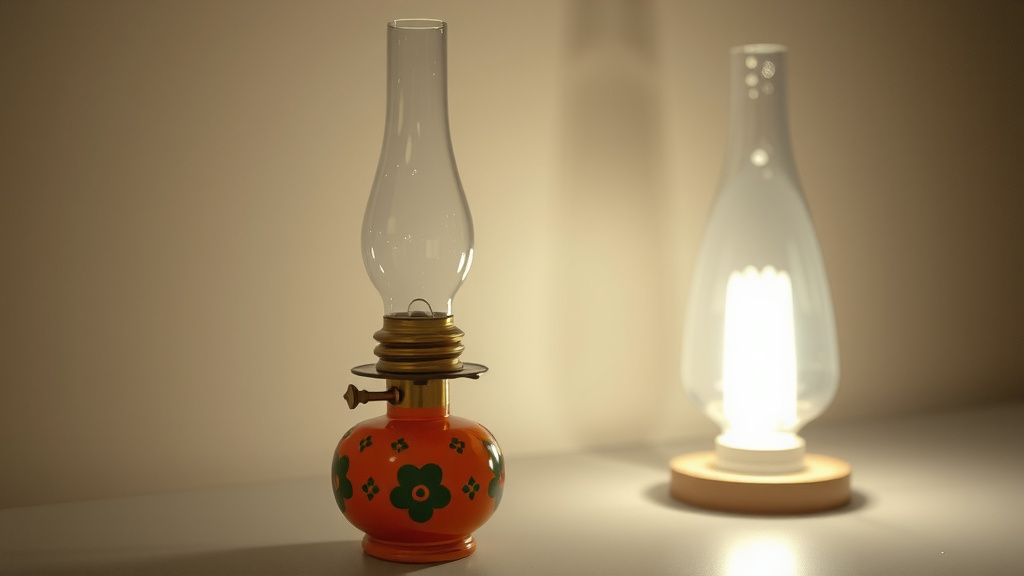
| Component | Function |
|---|---|
| Oil Reservoir | Stores the lamp oil, ensuring a continuous supply. |
| Wick | Draws oil up via capillary action and provides fuel for the flame. |
| Mantle | Heats up and glows, producing bright, steady light. |
| Air Vents | Allow oxygen to reach the flame for clean combustion. |
Factors Affecting Lamp Performance
While Aladdin lamps are designed to be reliable, a few things can affect how well yours works. It’s helpful to know what to look out for. This way, you can keep your lamp performing at its best. We found that simple adjustments can make a big difference.
Wick Maintenance
The wick is a consumable part of the lamp. Over time, it can become charred or clogged with carbon. This can hinder oil absorption and affect the flame. It’s important to trim or replace the wick as needed. Many guides suggest trimming off any charred bits to maintain a clean, even surface. When the wick is too short, it won’t reach the oil effectively. Regular inspection is your best bet.
Oil Quality and Type
As mentioned earlier, the type of oil you use matters. Paraffin or kerosene-based lamp oils are typically recommended. These burn cleanly and produce less odor. Avoid using gasoline or other volatile fuels. We found that using a high-quality, clean-burning oil results in a brighter flame and less soot. Check your lamp’s manual for specific oil recommendations.
The Importance of a Clean Mantle
A dirty or damaged mantle won’t glow as brightly. Dust or soot can accumulate on the mantle over time. Gently brushing it off can help restore its brightness. If the mantle is torn or severely damaged, it will need to be replaced. A properly functioning mantle is key to achieving that signature Aladdin light output.
Adjusting the Flame Height
You can usually adjust the flame height by turning a small knob or wheel. This controls how much of the wick is exposed. You want a flame that is steady and bright but not too high. A flame that’s too tall might produce soot or be inefficient. Experiment a little to find the sweet spot for your lamp. We found that a flame about 1 to 1.5 inches tall is often ideal.
Troubleshooting Common Issues
Smoky flames? The wick might be too high, or the mantle might need cleaning. Flickering flame? Check for drafts or ensure the wick is evenly saturated. Weak light? The oil level might be low, or the wick may need trimming or replacing. These lamps are pretty forgiving, so don’t get discouraged!
Quick Checklist for Optimal Performance
- Ensure your wick is trimmed evenly.
- Use the correct type of clean lamp oil.
- Keep the mantle clean and free from soot.
- Check that the oil reservoir is adequately filled.
- Adjust the wick height for a steady, bright flame.
- Inspect for any physical damage to the lamp components.
Conclusion
You’ve learned that your Aladdin oil lamp is a marvel of simple physics and thoughtful design. Its glow is powered by capillary action, with the wick drawing oil steadily from the reservoir. Vaporization and a glowing mantle then transform this fuel into bright, warm light. Keeping your wick trimmed, using the right oil, and a clean mantle ensures your lamp performs beautifully. Now you can enjoy your Aladdin lamp with a deeper appreciation for its elegant function. Take a moment to inspect your lamp and ensure it’s ready for your next cozy evening.
Frequently Asked Questions
Do Aladdin oil lamps produce a lot of heat?
Yes, Aladdin oil lamps do produce a noticeable amount of heat. The mantle gets very hot to produce light. While they are not a primary heating source, they can add a comfortable warmth to a small room. You should always place them on a stable, heat-resistant surface and keep them away from flammable materials.
Can I use regular kerosene in my Aladdin oil lamp?
Many Aladdin lamps are designed to run on specific types of lamp oil, often paraffin or kerosene-based. It’s best to check your lamp’s manual for recommendations. Using the wrong fuel can lead to smoky flames, unpleasant odors, or damage to the wick and mantle. High-quality, clean-burning lamp oil is generally preferred for optimal performance.
How often should I clean or replace the mantle?
The lifespan of a mantle varies, but we found that most need cleaning every 20-40 hours of burn time. Gently brushing off soot with a soft brush usually suffices. If the mantle becomes visibly damaged, torn, or develops holes, it should be replaced. A damaged mantle will not produce light as effectively and can sometimes lead to a weaker flame.
Why is my Aladdin lamp producing a smoky flame?
A smoky flame usually indicates an issue with the fuel-air mixture or the wick. It could be that the wick is trimmed too high or unevenly. Another common cause is insufficient airflow; ensure the air vents are clear. Overfilling the oil reservoir can sometimes contribute to this as well. Adjusting the wick height or cleaning the mantle often resolves smokiness.
Are Aladdin oil lamps safe to use indoors?
When used correctly and with proper ventilation, Aladdin oil lamps are generally considered safe for indoor use. They produce far less soot and odor than older kerosene lamps. However, you should always operate them in a well-ventilated area and never leave them unattended when lit. It’s wise to keep them away from children and pets.
![10 Best Brand Uv Nail Lamp [2026]](https://bestdesklamp.com/wp-content/uploads/2026/08/10-best-brand-uv-nail-lamp-2026-featured-768x432.jpg)


![10 Best Bulb For Floor Lamp [2026]](https://bestdesklamp.com/wp-content/uploads/2026/08/10-best-bulb-for-floor-lamp-2026-featured-768x432.jpg)