How to Use a Floating Moon Lamp: Full Guide
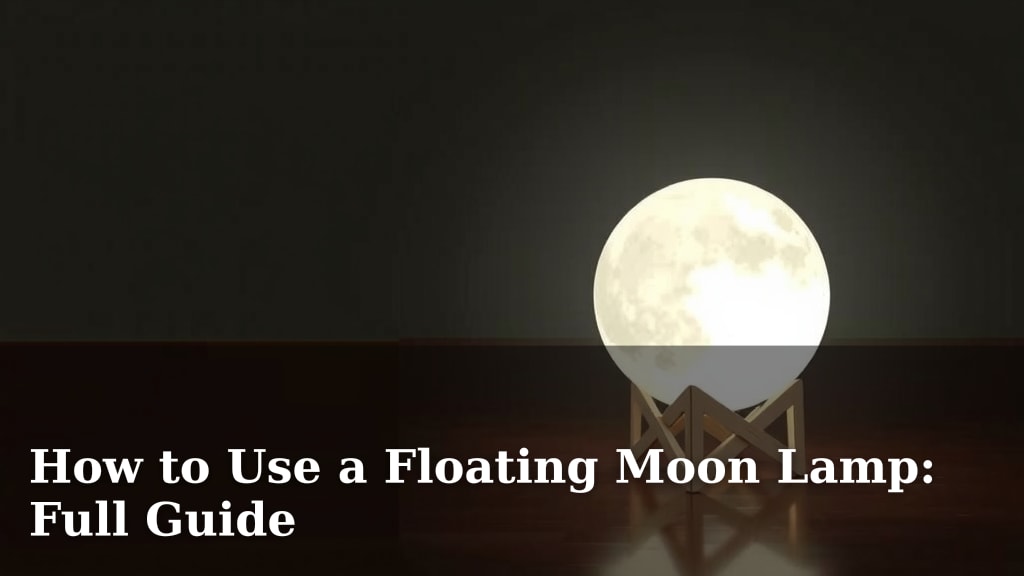
Using a floating moon lamp is surprisingly simple once you understand the balance and magnetic forces involved. You’ll place the lamp about an inch above the base and then gently release it until you feel the upward magnetic pull, guiding it to hover. Once it’s floating, you can slowly let go, and your moon lamp will glow! It’s a bit like magic, but it’s all science.
These lamps are more than just a cool gadget; they can transform your space. Many people find the gentle rotation and soft light incredibly soothing and relaxing. Plus, they make for a fantastic conversation starter when guests come over. It’s a unique way to add a touch of wonder to any room.
- Align the moon lamp over the magnetic base.
- Gently lower the lamp until you feel the magnetic lift.
- Release slowly and let the lamp find its balance.
- Enjoy the hovering, glowing moon!
Ready to make your own moon float? Let’s walk through the simple steps to get your floating moon lamp up and glowing in no time.
Getting Your Floating Moon Lamp to Hover
Setting up your floating moon lamp is an experience in itself. It relies on a cool bit of magnetic magic. You’ll need to get the moon positioned just right above its base. Don’t worry if it doesn’t work perfectly the first time; it often takes a few tries.
Finding the Balance Point
The key to getting your moon to float is finding the sweet spot. This is the exact point where the magnetic forces of the base and the moon balance out. It’s not usually at the very center of the base. You’ll want to feel for that upward pull.
Start by holding the moon lamp with both hands. Bring it slowly toward the center of the magnetic base. You’ll feel the base trying to push the moon away. You’ll also feel the moon trying to pull itself toward the base. Your goal is to find the point where these forces meet.
The Gentle Approach
Patience is your best friend here. Avoid any sudden movements. A jerky motion will just knock the moon off balance. Think of it like balancing a delicate object on your fingertip. You need a steady hand and a gentle touch. This careful approach helps the lamp find its stable position.
What If It Falls?
If the moon lamp falls, don’t get discouraged. It’s a common part of the learning process. Simply pick it up and try again. You haven’t broken anything. It just means you haven’t quite found that perfect magnetic equilibrium yet. Most users get the hang of it within a few minutes.
Centering the Lamp
Once you feel that initial magnetic attraction, slowly adjust the moon’s position. You’re aiming to get it centered directly above the base. If you move it too far to one side, it will be attracted to that side of the base. If you move it too far the other way, it will likely just fall. Keep your hands steady.
You might need to wiggle the moon lamp ever so slightly. This helps it settle into the correct position. Once you feel it is suspended evenly, you can start to slowly release your grip. Let go millimeter by millimeter.
Letting Go
This is the moment of truth! As you gradually reduce your hold, the moon lamp should begin to hover. If it starts to drift to one side, gently guide it back towards the center. Continue to release your hands very slowly. You want to feel the moon take over the balancing act.
If the moon stays suspended on its own, congratulations! You’ve successfully made it float. The gentle rotation will begin automatically. This shows you’ve found the optimal point of magnetic levitation. Enjoy the sight of your moon glowing and rotating.
Understanding the Technology Behind Floating
The mesmerizing levitation of your moon lamp isn’t magic; it’s clever science. It uses two main principles: electromagnetism and balance. Understanding these helps you troubleshoot if your lamp isn’t floating.
Electromagnets at Work
Your lamp’s base contains an electromagnet. This is a coil of wire that becomes magnetic when an electric current passes through it. The moon lamp itself also has a magnet inside. The base’s electromagnet is programmed to repel the magnet in the moon. This repulsion is what creates the upward force.
The strength of the magnetic field can be adjusted. Your lamp’s internal system constantly monitors the moon’s position. It makes tiny adjustments to the electromagnet’s power. This keeps the moon stable in the air. It’s a constant, invisible dance of magnetic forces.
The Role of the Power Adapter
You’ll notice your floating moon lamp needs to be plugged in. This is essential for the electromagnet in the base to function. The power adapter supplies the electricity needed to create the magnetic field. Without it, the base wouldn’t be magnetic, and the moon wouldn’t float.
Make sure you are using the original power adapter that came with your lamp. Using a different adapter could result in an incorrect voltage. This might prevent the lamp from floating properly or even damage the device. Always check the adapter’s specifications against the lamp’s requirements.
Constant Adjustments
The floating effect relies on a continuous feedback loop. Sensors within the base detect the exact position of the moon. If the moon drifts too high, the electromagnet weakens slightly. If it drifts too low, the electromagnet strengthens. This keeps the moon suspended at the perfect height.
This automatic adjustment system is why the lamp needs constant power. It’s working all the time to keep your moon hovering. It’s a sophisticated process happening behind the scenes. This ensures a stable and visually pleasing float every time.
Operating Your Floating Moon Lamp
Once your moon lamp is floating, you’ll want to know how to control its features. Most models offer simple controls for light and rotation. Getting familiar with these will help you create the perfect ambiance for any occasion.
Controlling the Light
Your moon lamp likely has adjustable brightness and color settings. You can typically change these by touching a sensor on the base or the lamp itself. Some lamps allow you to cycle through different colors, like warm white, cool white, or even color-changing modes. Others offer a smooth dimming feature.
Refer to your lamp’s specific manual for exact instructions. Different brands have slightly different control methods. You might tap the base once for on/off, tap and hold for brightness, or double-tap for color changes. Experiment gently to discover your lamp’s unique settings.
Managing Rotation
The slow, graceful rotation is part of the charm. Many floating moon lamps have a built-in setting for this. The rotation usually starts automatically once the lamp is successfully levitating. If your lamp offers a rotation control, it will likely be another touch-sensitive area.
Some models might have an option to turn the rotation off. This can be useful if you prefer a static display. Again, consult your user guide to see if your specific model supports this feature. The steady rotation is often found to be quite mesmerizing and calming.
Powering Down Safely
When you are ready to turn off your lamp, it’s best to do so in a controlled manner. First, turn off the light using the designated control. Then, you can simply unplug the power adapter from the wall. This will cut power to the base’s electromagnet.
The moon lamp will then fall gently onto its base. You can then pick it up and store it. It’s not necessary to remove the moon from the base unless you are moving it. Leaving it on the base when not powered is perfectly fine. This ensures it’s ready for its next floating display.
Troubleshooting Common Issues
Even with the best technology, sometimes your floating moon lamp might act up. Don’t fret; most issues are easily resolved with a few simple steps. Let’s look at some common problems and their solutions.
Lamp Won’t Float
This is the most frequent concern. If your lamp refuses to levitate, first check that it’s plugged in correctly. Ensure you are using the correct power adapter. Then, try finding the balance point again, using the gentle, slow approach we discussed earlier. Make sure there are no strong drafts or magnetic interference nearby.
Sometimes, the surrounding environment can affect the levitation. Keep the base away from other electronic devices or large metal objects. These can disrupt the magnetic field. A clear, stable surface is also important.
Moon Falls Frequently
If the moon lamp falls repeatedly, it usually means you’re not quite hitting that perfect equilibrium. Try moving the moon slightly slower. Focus on finding the exact center of the magnetic pull. You may also want to check if the base is perfectly level. Any tilt can make levitation more difficult.
We found that ensuring the moon itself is clean can also help. Dust or smudges on the moon might subtly affect the magnetic interaction. A gentle wipe with a soft, dry cloth can sometimes make a difference.
Light or Rotation Issues
If the light isn’t working or the rotation is jerky, check the power connection again. A loose connection can cause intermittent power flow. Try unplugging and replugging both the adapter into the base and the cord into the wall. If the issue persists, it might be a problem with the internal electronics.
Consult your user manual for specific troubleshooting steps related to light and rotation. If none of the basic troubleshooting methods work, you may need to contact the manufacturer’s customer support. They can offer further assistance or information about warranty claims.
Checklist for Perfect Floating
Here’s a quick checklist to ensure your floating moon lamp experience is smooth sailing:
- Ensure the power adapter is securely plugged in.
- Place the base on a flat, stable surface.
- Use a steady, gentle hand when positioning the moon.
- Slowly release the moon once you feel the magnetic pull.
- Keep the area around the base free of strong magnetic interference.
- If it falls, don’t give up! Try again with patience.
Conclusion
You’ve learned how to master the magnetic dance of your floating moon lamp. Remember, patience and a gentle touch are your best friends when finding that perfect balance point. It’s all about understanding the science of electromagnetism at play.
With a little practice, you’ll have your lamp hovering and glowing beautifully. This unique piece is more than just decor; it’s a little bit of everyday magic for your home. Now, go ahead and create that soothing, celestial ambiance you’ve envisioned. Enjoy the wonder!
Frequently Asked Questions
Can I leave my floating moon lamp on all the time?
Yes, most floating moon lamps are designed for continuous operation. The technology uses a stable electromagnetic field that is safe for long-term use. Just ensure it’s properly ventilated and the power adapter is correctly rated.
What should I do if the moon lamp wobbles or drifts too much?
If your lamp wobbles, gently try to re-center it. Ensure the base is on a perfectly level surface and away from any drafts or magnetic interference. Sometimes, a slight repositioning of the moon will help it stabilize.
Is it safe to touch the floating moon lamp while it’s levitating?
Yes, it is generally safe to touch the lamp gently. However, be careful not to push it too hard, as this can disrupt the magnetic field and cause it to fall. Always use a light touch when interacting with the floating moon.
How do I clean my floating moon lamp?
Turn off and unplug the lamp first. For the moon, use a soft, dry cloth to wipe away dust. For the base, unplug it and wipe it down with a slightly damp cloth, then dry immediately. Avoid using abrasive cleaners.
My floating moon lamp won’t turn on, what could be wrong?
First, check that the power adapter is securely plugged into both the wall outlet and the base. Ensure you are using the original power adapter that came with your lamp. If it still doesn’t power on, there might be an issue with the adapter or the lamp itself, and you may need to contact the manufacturer.

![10 Best Cordless Gel Lamp [2026]](https://bestdesklamp.com/wp-content/uploads/2026/09/10-best-cordless-gel-lamp-2026-featured-768x432.jpg)