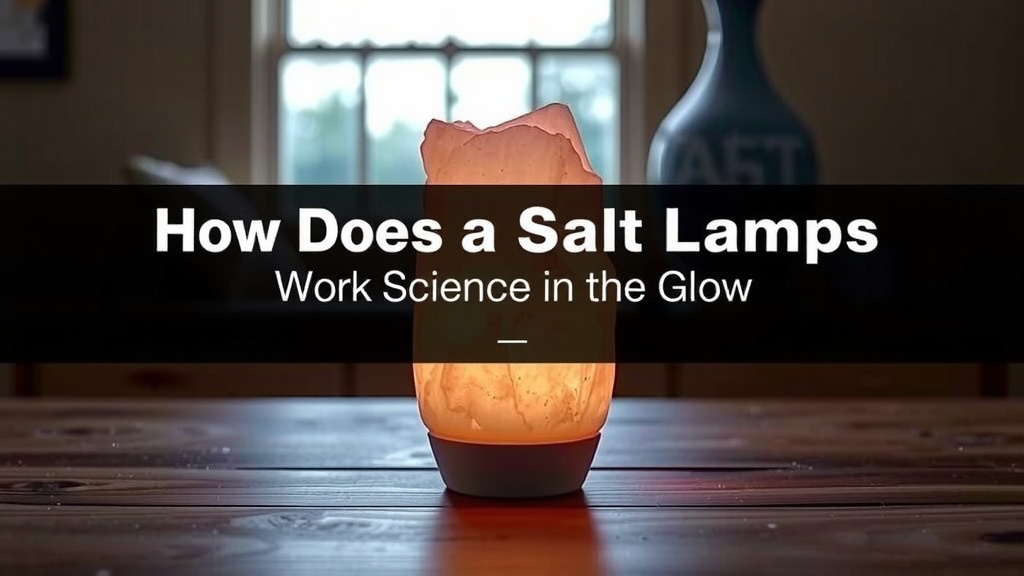
How Does a Salt Lamp Work: The Science Behind the Glow
A salt lamp works by using a light bulb inside a large piece of rock salt. When the bulb heats up, it warms the salt. This process is thought to release negative ions into the air. Many believe these negative ions can help purify the air and improve your mood. It’s a pretty simple but fascinating concept!
Beyond just looking pretty, these lamps are often discussed for their potential air-cleaning qualities. Research and popular opinion suggest the negative ions produced might attach to positive ions from pollutants. This can help neutralize airborne particles like dust and dander. The soft, warm glow is also a big draw for creating a relaxing atmosphere.
- Salt lamps use a light bulb to heat a salt crystal.
- This heating may release negative ions.
- Negative ions are thought to help clean the air. Our guide explains how salt lamps help clean the air through hygroscopy.
- They are also popular for their calming ambiance.
Ready to understand the science and appeal behind these glowing rocks? Let’s break down exactly how a salt lamp works and what makes them so popular.
“`htmlUnderstanding How Your Salt Lamp Works
So, how does that glowing rock actually function? It’s a fascinating blend of simple physics and a bit of atmospheric chemistry. Your salt lamp uses a common light bulb, usually an incandescent one, nestled inside a hollowed-out chunk of rock salt. When you switch it on, the bulb generates heat. This warmth is the key ingredient that starts the whole process.
The Role of Heat and Evaporation
Think of your salt lamp as a miniature, gentle sauna for salt. The heat from the bulb warms the surface of the salt crystal. This warmth causes a very slow process of hygroscopy to occur. Hygroscopy is the ability of a substance to attract and hold water molecules from the surrounding air. Salt is naturally hygroscopic, especially Himalayan pink salt, which is commonly used for these lamps.
As the salt crystal warms, it attracts moisture from the air onto its surface. This moisture forms a thin film of water. Because the salt is slightly warmed, this water then begins to evaporate. This cycle of attracting moisture and then evaporating it is continuous as long as the lamp is on and warm.
The Science of Negative Ions
This is where the magic, or rather the science, really kicks in. Many believe that this constant cycle of moisture attraction and evaporation from the salt surface releases negative ions into the air. This process is often referred to as the “ionic effect” or “air purification effect” of salt lamps.
How Negative Ions are Produced
Scientists have observed that when water molecules interact with certain surfaces, especially in a process involving evaporation and the presence of minerals like salt, negative ions can be released. The idea is that as water evaporates from the salt’s surface, it carries small, electrically charged particles – the negative ions – with it. These ions then disperse into the air around your lamp.
What Are Negative Ions Supposed to Do?
In nature, negative ions are often found in places like waterfalls, beaches, and forests. These are environments typically associated with fresh, clean air. The theory is that these naturally occurring negative ions help to neutralize airborne pollutants. Many proponents suggest that when these negative ions encounter positively charged particles in the air, such as dust, pollen, mold spores, and even certain bacteria and viruses, they attach to them. This attachment can make the particles heavier, causing them to fall to the ground instead of remaining suspended in the air for you to inhale.
This theory suggests that your salt lamp, by releasing negative ions, could act like a miniature air purifier, helping to create a cleaner breathing environment. While the amount of ions produced by a single lamp is debated among scientists, the concept is central to their appeal.
The Calming Glow and Ambiance
Beyond the potential air-purifying effects, let’s not forget the sheer visual appeal of a salt lamp. That soft, warm, amber glow is incredibly inviting. It’s a far cry from the harsh, bright light of many lamps.
Creating a Relaxing Atmosphere
The gentle light emitted by a salt lamp is often described as soothing and calming. This warm hue can help create a more relaxing and peaceful ambiance in any room. Many people use them as a night light or in spaces where they want to unwind, like bedrooms, living rooms, or meditation areas.
This type of lighting can be particularly beneficial in the evening. Bright, blue-toned lights can interfere with our natural sleep-wake cycles. The warm, dim light of a salt lamp is thought to be less disruptive, potentially aiding in relaxation before sleep.
Aesthetic Appeal and Decor
Salt lamps also add a unique decorative element to your home. Each lamp is carved from a natural salt crystal, meaning no two are exactly alike. They have an organic, earthy look that can complement various interior design styles, from modern minimalist to bohemian chic.
The natural shape and texture of the salt crystal, combined with the warm light, make them a beautiful focal point. It’s a piece of nature brought right into your living space.
Are Salt Lamps Really Air Purifiers?
This is the million-dollar question, isn’t it? While the theory of negative ion production is scientifically plausible in certain conditions, the extent to which small consumer salt lamps purify the air is a subject of ongoing discussion and research.
We found that while the principle behind negative ion generation is understood, the practical impact of a typical household salt lamp on air quality is not definitively proven by large-scale scientific studies. Some research suggests the effect might be minimal, while others find potential benefits. For example, guidelines on air quality often focus on ventilation and filtration systems that have a measurable impact (CDC).
It’s important to be realistic. A salt lamp is unlikely to replace a high-efficiency air filtration system if you have serious air quality concerns. However, many users report feeling that the air in their homes is cleaner and fresher when using one.
A Quick Checklist for Your Salt Lamp Experience
To get the most out of your salt lamp, consider these points:
- Ensure it’s plugged in and the bulb is on to generate heat.
- Place it in a room where you spend time and want a relaxing atmosphere.
- Keep it away from excessive moisture to prevent too much water buildup.
- Wipe it down gently with a dry cloth if dust accumulates.
- Enjoy its unique, warm glow!
What Happens When You Turn It Off?
When you turn off the light bulb, the heat source is removed. The salt crystal will begin to cool down. As it cools, its ability to attract and hold moisture decreases. The thin film of water on the surface will eventually evaporate completely. If the lamp is in a very humid environment, it might remain slightly damp for a while.
Any negative ions that were released will disperse into the air and their electrical charge will eventually dissipate or attach to other particles. The cycle stops until you turn the lamp back on. It’s a simple on-off process driven by heat and moisture.
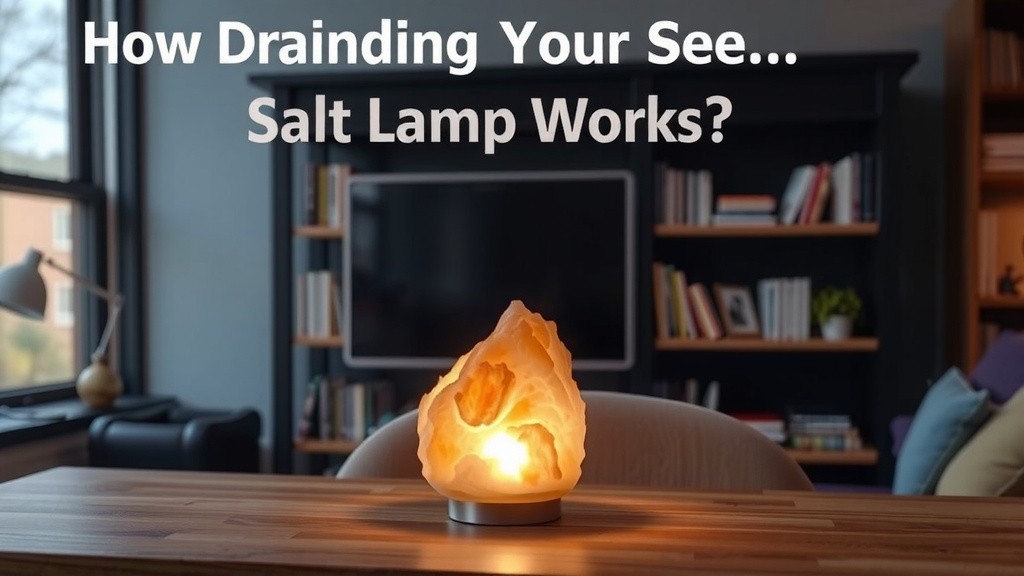
“`
Conclusion
You now understand how your salt lamp works, from its hygroscopic properties to the theory of negative ion release. The gentle heat from the bulb attracts moisture, and the subsequent evaporation is believed to release ions that might help cleanse the air. More than just a potential air purifier, the lamp’s soft, warm glow creates a wonderfully relaxing ambiance, making it a beautiful decorative piece. While its air-purifying power is debated, the calming atmosphere it provides is undeniable. Your next step? Consider where in your home you could use a touch of this soothing, natural light and place your salt lamp there to enjoy its unique benefits!
Frequently Asked Questions
How much negative ion does a salt lamp actually produce?
The exact amount of negative ions a salt lamp releases is a topic of scientific discussion. Research and found that while the process of ion generation is plausible, the output from a typical home lamp may be small. You likely won’t see dramatic changes in air quality measurements solely from a salt lamp.
Can a salt lamp help with allergies?
Some people believe that the negative ions from salt lamps can help reduce allergens like dust and pollen in the air. By potentially causing these particles to fall out of the air, they might lessen exposure. However, large-scale studies confirming this specific benefit are limited.
How long should you leave a salt lamp on?
To benefit from the hygroscopic cycle and potential ion release, it’s generally recommended to leave your salt lamp on for several hours a day. Keeping it on when you’re in the room can maximize the relaxing ambiance and any potential air-cleansing effects.
What happens if my salt lamp gets wet?
Salt is hygroscopic, meaning it attracts moisture. If your salt lamp is in a very humid environment, it might “sweat” or become visibly wet. Simply wipe it down with a dry cloth to remove excess moisture. Excessive moisture can cause it to dissolve over time if left untreated.
Can I use an LED bulb in my salt lamp?
While you can technically use an LED bulb, incandescent bulbs are generally preferred for salt lamps. The heat generated by an incandescent bulb is key to the hygroscopic process and evaporation that’s central to how salt lamps are thought to work. An LED bulb may not produce enough heat to achieve this effect.

![10 Best Bulb For Floor Lamp [2026]](https://bestdesklamp.com/wp-content/uploads/2026/08/10-best-bulb-for-floor-lamp-2026-featured-768x432.jpg)
![10 Best Daylight Therapy Lamp [2026]](https://bestdesklamp.com/wp-content/uploads/2026/09/10-best-daylight-therapy-lamp-2026-featured-768x432.jpg)