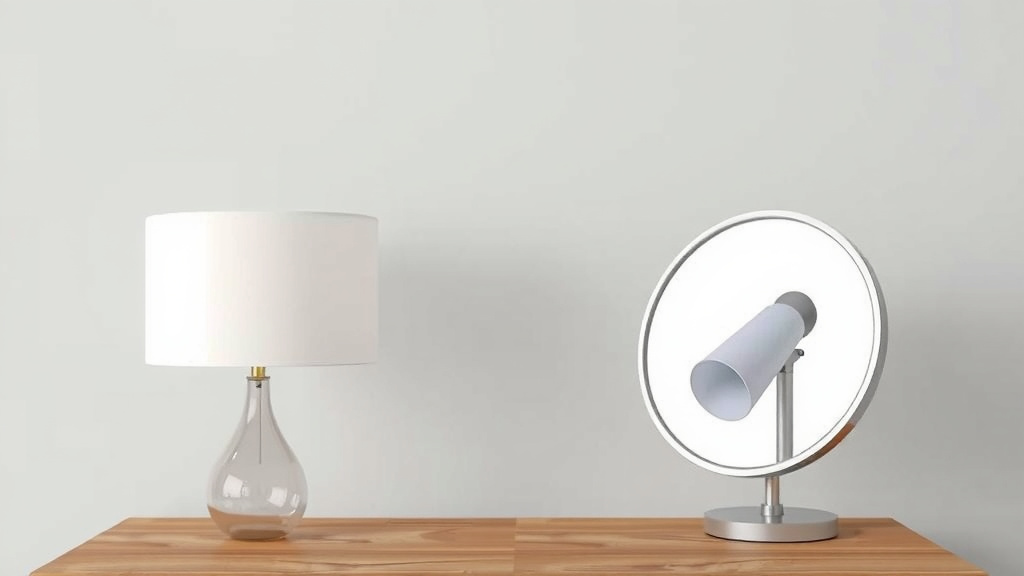
Choosing the Right Lamp Shade Size for Your Lamp
Finding the right lampshade size is easier than you think! Generally, your lampshade should be about two-thirds the height of the lamp base. We also found that the shade’s width should be about twice the width of the base. This simple rule helps create a balanced look.
Getting the size right makes a big difference in how your lamp looks and functions. A shade that’s too big can look awkward, while one that’s too small might not diffuse light well. We’ve researched common guidelines to help you make the best choice for your decor.
- Shade height should be roughly 2/3 of your lamp base height.
- Shade width should be about twice the width of your lamp base.
- The shade should hide the bulb from your eye level.
- Consider the lamp’s overall proportions for a harmonious look.
Ready to find your perfect fit? Let’s walk through some easy measurements to ensure your new lampshade is just right.
Finding the Perfect Lampshade Size for Your Home
Choosing the right lampshade size is more art than science. It’s all about creating a balanced and pleasing aesthetic for your lamp and the room. We’ve researched the most common and effective guidelines to help you make a confident decision. Think of your lamp as a little sculpture; the shade is its hat!
Key Proportions: The Golden Rules
The general rule of thumb for lampshade sizing involves two main measurements: height and width. Getting these right ensures your lamp doesn’t look top-heavy or bottom-heavy. It’s like dressing yourself – you want everything to feel proportionate and comfortable.
Shade Height: A Matter of Balance
We found that the ideal shade height is usually about two-thirds the height of your lamp base. This proportion helps to visually ground the lamp and prevent it from looking too tall and slender or too short and squat. Imagine your lamp base and shade as two parts of a whole; this ratio creates harmony.
For example, if your lamp base is 20 inches tall, aim for a shade that is roughly 13 inches in height (20 inches x 2/3 = 13.33 inches). This might seem like a small detail, but it makes a surprisingly big visual difference. It prevents the shade from overpowering the base or vice-versa.
Shade Width: Spreading the Light
When it comes to width, a good starting point is to make the shade’s diameter about twice the width of your lamp base. This measurement is especially important for the shade’s bottom diameter, as it’s the widest part. This ensures the shade effectively diffuses light and looks visually stable.
What do we mean by “width of the base”? For lamps with a solid base, measure the widest point. For lamps with a more elaborate or irregular base, measure the widest horizontal span. We found this guideline helps create a sense of stability and proper light distribution.
A Practical Example for Width
Let’s say your lamp base is 6 inches wide at its widest point. According to our research, you’d want a shade with a bottom diameter of approximately 12 inches (6 inches x 2 = 12 inches). This creates a beautiful, balanced look without making the shade seem too narrow or excessively wide.
The Bulb Test: Hiding the Glare
A crucial, often overlooked, factor is how the shade hides the light bulb. From your usual seated position, you should not be able to see the bare bulb. The shade should cover the bulb completely. This prevents harsh glare and creates a softer, more inviting light.
If the bulb peeks out, the shade is likely too short. Conversely, if the bulb is buried too deep, the shade might be too tall for the base. We found that this is a key indicator that a shade is functioning correctly for both aesthetics and comfort.
Considering the Lamp’s Style and Function
Beyond the basic height and width ratios, think about the lamp’s overall style and how you intend to use it. A decorative table lamp might have different sizing needs than a reading lamp.
Table Lamps: A Delicate Balance
For standard table lamps, the 2/3 height and 2x width rules are usually your best friends. These lamps often sit on side tables or consoles. Their size needs to be proportionate to the furniture they rest on, as well as the lamp base itself. A lamp that’s too large can overwhelm a small table, while one that’s too small can get lost.
We’ve observed that many designers recommend this balanced approach. It ensures the lamp enhances the decor rather than detracting from it. Consider the overall visual weight of your lamp.
Floor Lamps: Standing Tall and Proud
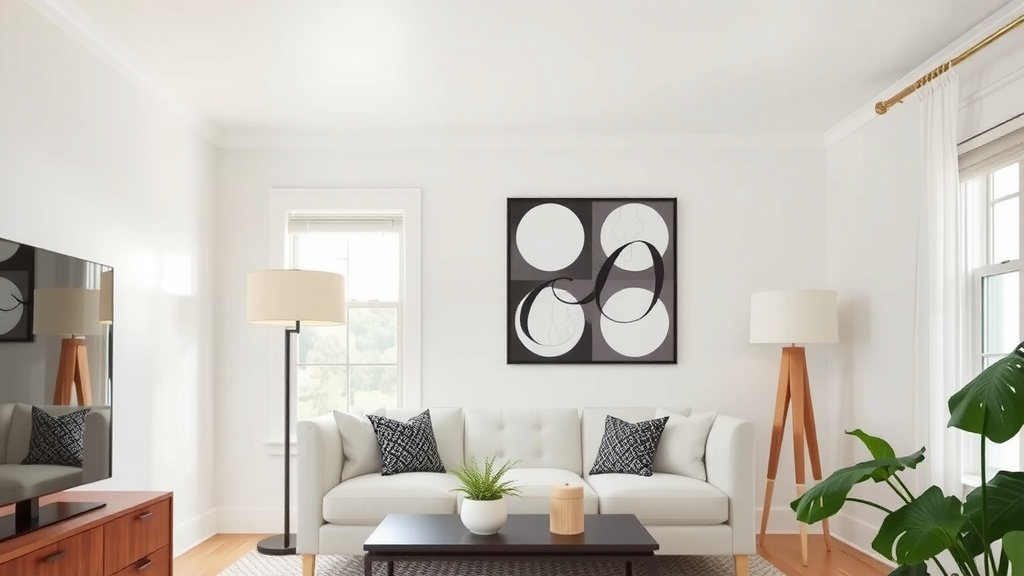
Floor lamps are typically larger and often used for ambient lighting or to illuminate a specific area. The same proportion rules generally apply, but on a grander scale. The shade should still appear balanced with the height of the entire lamp, including the base and pole.
A common guideline we found is that the shade’s diameter should be about half the total height of the floor lamp. For example, a 60-inch floor lamp might look best with a shade that’s around 30 inches in diameter. This provides adequate light and a sense of stability for such a tall fixture.
Shade Shape Matters Too!
The shape of the shade also influences its perceived size and how it works with the base. A drum shade is cylindrical and can work well with straighter, more modern bases. A tapered shade (like a cone or empire) is wider at the bottom and can complement more traditional or ornate bases. We found that matching the shade shape to the base shape often leads to a more cohesive look.
A Quick Checklist for Your Lampshade Hunt
To make your shopping trip easier, keep these quick tips in mind. They summarize the most important points we’ve covered:
- Measure your lamp base’s height.
- Measure your lamp base’s width at its widest point.
- Calculate 2/3 of the base height for your target shade height.
- Calculate 2x the base width for your target bottom shade diameter.
- Ensure the shade will hide the bulb from your eye level.
- Consider the lamp’s style and the overall room proportions.
Troubleshooting Common Sizing Issues
Sometimes, even with guidelines, a shade might not feel quite right. Here are a few common scenarios and how to address them.
When the Shade Looks Too Big
If your shade seems to dwarf the lamp base, it’s likely too wide or too tall. Try a shade with a smaller bottom diameter or a shorter height. Sometimes, a simpler shade shape, like a drum, can look less overwhelming than a very flared empire shade.
When the Shade Looks Too Small
Conversely, if the shade looks like a tiny hat on a big head, it’s probably too narrow or too short. Opt for a shade with a wider bottom diameter or a taller profile. Also, check that the harp (the metal piece holding the shade) isn’t too long, pushing the shade up too high.
The Harp Matters
The harp is the metal frame that attaches to the lamp’s socket and holds the shade. Its height is adjustable on many lamps. A harp that is too tall can make a shade sit too high, and one that is too short can make the shade sit too low. We found that adjusting the harp can sometimes be the quickest fix for proportion problems before you even buy a new shade.
Material and Color: Beyond Size
While size is critical, don’t forget that the material and color of your lampshade also impact the light and the room’s ambiance. Lighter colored shades tend to diffuse light more broadly, while darker shades can create a more directed or intimate glow.
We found that for reading lamps, a lighter-colored shade is often preferred for better illumination. For accent lamps, you might choose a darker or more decorative shade to create mood. It’s all about balancing function with the desired atmosphere.
Conclusion
You’ve learned the simple rules for finding the perfect lampshade size. Remember the 2/3 height to base ratio and the 2x width to base ratio. You also know to check that the shade hides the bulb from your eye level. By considering your lamp’s style and proportions, you can create a harmonious look. Now you’re ready to confidently select a shade that enhances your decor. Go ahead and measure your lamp base to find your ideal shade dimensions!
Frequently Asked Questions
What if my lamp base is an unusual shape?
For irregular bases, measure the widest horizontal span. Use this measurement as your “base width” when applying the 2x width rule for the shade’s bottom diameter. This ensures visual balance even with unique lamp designs.
How do I measure the width of my lamp base correctly?
Measure your lamp base at its widest point. For most table lamps, this will be the widest part of the main body. If the base has decorative feet or elements, focus on the primary structure’s width for the shade calculation.
Can I use a shade that doesn’t follow the 2/3 height rule?
While the 2/3 rule is a great guideline, personal preference matters. If you prefer a different look, ensure the shade still hides the bulb and feels balanced. Adjusting the harp height can help fine-tune proportions for non-standard shades.
Does the shade shape affect the sizing rules?
Yes, shape matters! A drum shade’s dimensions are usually given as top/bottom diameter and height. For tapered shades, the bottom diameter is usually the most important measurement for the 2x base width rule. Consider how the shape complements your base.
How do I choose a lampshade for a reading lamp specifically?
For reading lamps, prioritize good light diffusion. We found lighter-colored shades with wider openings are often best. Ensure the shade is tall enough to direct light downward effectively while still hiding the bulb from your seated view.
![10 Best Breastfeeding Lamp [2026]](https://bestdesklamp.com/wp-content/uploads/2026/08/10-best-breastfeeding-lamp-2026-featured-768x432.jpg)
![10 Best Brand Uv Nail Lamp [2026]](https://bestdesklamp.com/wp-content/uploads/2026/08/10-best-brand-uv-nail-lamp-2026-featured-768x432.jpg)
![10 Best Bright Desk Lamp [2026]](https://bestdesklamp.com/wp-content/uploads/2026/08/10-best-bright-desk-lamp-2026-featured-768x432.jpg)
![10 Best Deals On Floor Lamps [2026]](https://bestdesklamp.com/wp-content/uploads/2026/09/10-best-deals-on-floor-lamps-2026-featured-768x432.jpg)
![10 Best Ceramic Table Lamps [2026]](https://bestdesklamp.com/wp-content/uploads/2026/08/10-best-ceramic-table-lamps-2026-featured-768x432.jpg)