Heat Lamp Height for Puppies: Safe Placement
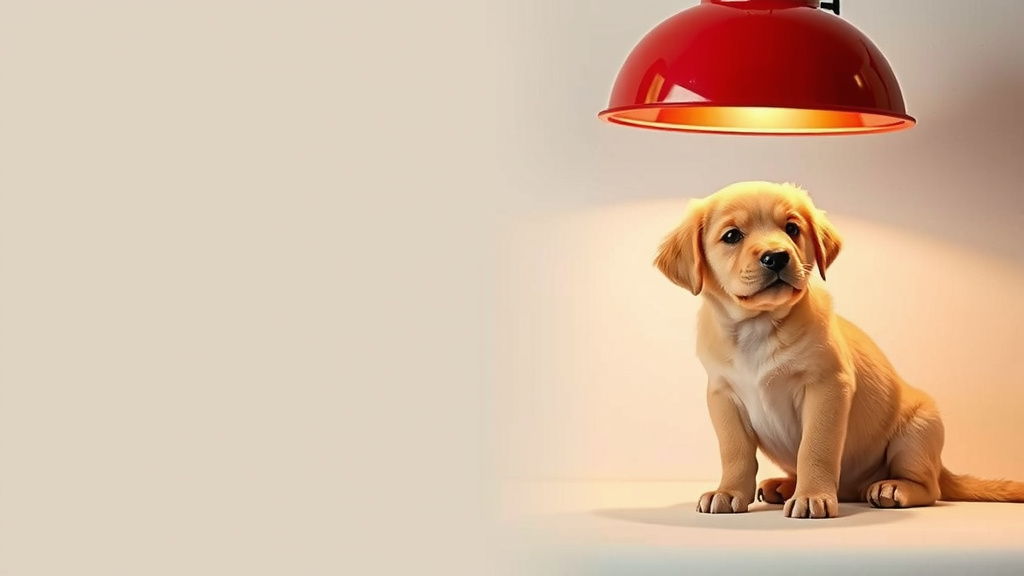
Keeping your new puppies warm is so important, and a heat lamp is a common tool for this. The general rule for how high a heat lamp should be from puppies is about 18 to 24 inches. This height helps provide adequate warmth without being too close and potentially causing burns or overheating. You’ll want to monitor the puppies closely to ensure they’re comfortable and not too hot or cold, adjusting the lamp height as needed. Proper placement is key for their safety and well-being.
When setting up a heat lamp for your litter, it’s essential to consider a few factors. The goal is to create a warm zone for the puppies while allowing them to move away if they get too warm. Research indicates that an ideal temperature gradient helps them self-regulate. Think of it as providing a cozy spot, but not a sauna! Always use a thermo-regulated lamp and a thermometer to check the temperature under the lamp. We found that a stable environment is best for young puppies.
- Heat lamps should be 18-24 inches above puppies.
- This height provides warmth without risking burns.
- Monitor puppies to ensure they are comfortable.
- Use a thermometer to check the temperature.
- A stable temperature gradient is vital.
Let’s walk through the best practices and important considerations for using heat lamps safely with your puppies.
“`htmlSetting the Right Heat Lamp Height for Puppies
Determining the correct height for your puppy’s heat lamp is absolutely critical. You want to create a warm haven, not a fire hazard or a hot box. The general consensus among breeders and veterinarians is to place the heat lamp between 18 and 24 inches above the puppies’ bedding. This range provides a cozy warmth that mimics a mother dog’s body heat.
This height is not just an arbitrary number. It’s carefully chosen to balance providing enough heat without posing a risk. Too close, and you risk burns or severe overheating, which can be incredibly dangerous for fragile newborns. Too far, and the lamp won’t effectively warm the area, leaving your puppies shivering.
Understanding the Temperature Gradient
Think of the area under the heat lamp as a warm “nest.” Puppies, especially those just born, cannot regulate their own body temperature well. They rely on external heat sources. Providing a temperature gradient means creating an area that is warm, but also an adjacent area that is cooler. This allows the puppies to move towards or away from the heat as they need to. We found this self-regulation ability to be key to their comfort.
Many experts recommend the area directly under the lamp to be around 85-90 degrees Fahrenheit for the first week of life. After that, you can gradually decrease the temperature by a few degrees each week. The goal is to ensure they never feel too cold or too hot. Research indicates a stable environment is best for young puppies (American Veterinary Medical Association).
Measuring the Temperature Accurately
Don’t guess when it comes to temperature! It’s vital to use a reliable thermometer. A simple meat thermometer or a digital pet-safe thermometer works wonderfully. Place it at puppy level, directly under the heat lamp, to get an accurate reading. You should also measure the temperature away from the direct heat zone. This helps you confirm that a cooler escape route exists.
We found that checking the temperature at different spots within the whelping box is essential. This ensures you have a clear understanding of the heat distribution. It’s like checking the oven temperature in different corners before baking, ensuring even cooking. A consistent reading under the lamp, with a noticeable drop just a few feet away, is what you’re aiming for.
Choosing the Right Heat Lamp
Not all heat lamps are created equal. For puppies, ceramic heat emitters or red/blue bulbs are often preferred. These provide warmth without emitting bright light, which can disrupt the puppies’ sleep cycles. Some lamps come with adjustable thermostats, which are a fantastic safety feature. These automatically regulate the temperature, preventing it from getting too high.
When selecting a lamp, always consider its wattage. A higher wattage might be necessary in cooler environments, but it also increases the risk of overheating if not monitored carefully. Many vets suggest using a 250-watt bulb as a starting point, but this can vary based on room temperature and the size of the enclosure.
Mounting and Securing Your Heat Lamp
Safety first! You must mount the heat lamp securely. Puppies can be surprisingly strong, and a falling heat lamp is a disaster waiting to happen. A sturdy clamp or an adjustable stand designed for heat lamps is ideal. Ensure the cord is also managed safely, tucked away so it can’t be chewed or pulled.
We found that positioning the lamp so it can’t accidentally be knocked over by the mother dog or older puppies is crucial. Imagine a heavy object suddenly falling into a soft bed of newborns – it’s a frightening thought. Always double-check the mounting mechanism before leaving the puppies unattended. A secure setup is a peace of mind provider.
Signs Your Puppies Are Too Hot or Too Cold
Your puppies will tell you if something isn’t right. Learning to read their behavior is your best tool for ensuring their comfort. It’s like being a detective, and their little yips and wiggles are your clues.
Signs of Overheating
If puppies are panting heavily, lying spread out far from each other, or seem lethargic and weak, they might be too hot. You might also see them trying to push away from the heat source or even crying more than usual. Research indicates that overheating can quickly lead to dehydration and distress in young puppies (Cornell University College of Veterinary Medicine).
Their skin might feel hot to the touch, and they might appear restless or distressed. If you observe these signs, immediately increase the distance of the heat lamp or turn it off if the ambient room temperature is warm enough. Providing fresh, cool water is also important, though very young puppies will still rely on their mother for hydration.
Signs of Being Too Cold
On the flip side, if puppies are huddling tightly together, whining constantly, and seem unable to move or are shivering, they are likely too cold. They might also appear listless and unresponsive. Cold stress can rapidly weaken a puppy’s immune system and make them susceptible to illness. Many experts agree that hypothermia is a serious threat to newborns.
If you notice these signs, it means the heat lamp might be too high, too weak, or the room is simply too cool. You’ll need to lower the lamp slightly, use a higher wattage bulb, or ensure the room is adequately heated. Again, a thermometer is your best friend here to verify the temperature at puppy level.

Creating the Perfect Puppy Warmth Zone: A Checklist
Getting the heat lamp just right ensures your puppies thrive. Here’s a quick rundown of essential checks:
- Heat lamp is securely mounted at 18-24 inches above puppies.
- Use a thermometer to confirm temps are 85-90°F directly under the lamp.
- Ensure there’s a cooler area for puppies to move to.
- Check that cords are safely managed and out of reach.
- Observe puppy behavior for signs of overheating or chilling.
- Have a backup plan in case the heat lamp fails.
Conclusion
You’ve learned that finding the perfect height for your puppy heat lamp is key to their survival. The sweet spot is generally between 18 and 24 inches above the whelping box. This height ensures they get the warmth they need without the risk of burns or overheating. Always remember to create a warm zone with a cooler escape route, and use a thermometer to verify the temperature. Observing your puppies’ behavior is your best guide; they’ll tell you if they’re too hot or too cold. By following these simple steps, you can create a safe and comfortable environment for your new litter to thrive.
Frequently Asked Questions
What is the safest type of heat lamp for puppies?
Ceramic heat emitters or bulbs that give off red or blue light are often best for puppies. These provide consistent warmth without bright light that can disturb their sleep. Lamps with built-in thermostats are also a great safety feature, as they automatically regulate the temperature.
How can I be sure the temperature under the heat lamp is right?
You must use a thermometer! Place it at puppy level, directly under the heat lamp, to check the temperature. Many experts recommend aiming for 85-90°F for newborns. Also, check the temperature a few feet away to confirm there’s a cooler area for them to move to.
What if my mother dog knocks over the heat lamp?
Securing your heat lamp is incredibly important. Use a sturdy clamp or an adjustable stand specifically designed for heat lamps. Ensure the cord is also managed safely, out of reach of curious puppies and the mother dog. A stable setup is essential for preventing accidents.
Can I use a regular light bulb as a heat source?
It’s generally not recommended to use a regular incandescent light bulb. These produce a lot of bright light, which can disrupt the puppies’ sleep cycles. They also don’t provide as consistent or regulated heat as a dedicated heat lamp designed for animal enclosures.
How often should I check the temperature under the heat lamp?
You should check the temperature regularly, especially in the first few days. Checking every few hours, and anytime you adjust the lamp or notice puppy behavior changes, is a good practice. Consistency is key to maintaining a stable and safe environment for your litter.