How Halogen Lamps Work: A Simple Explanation
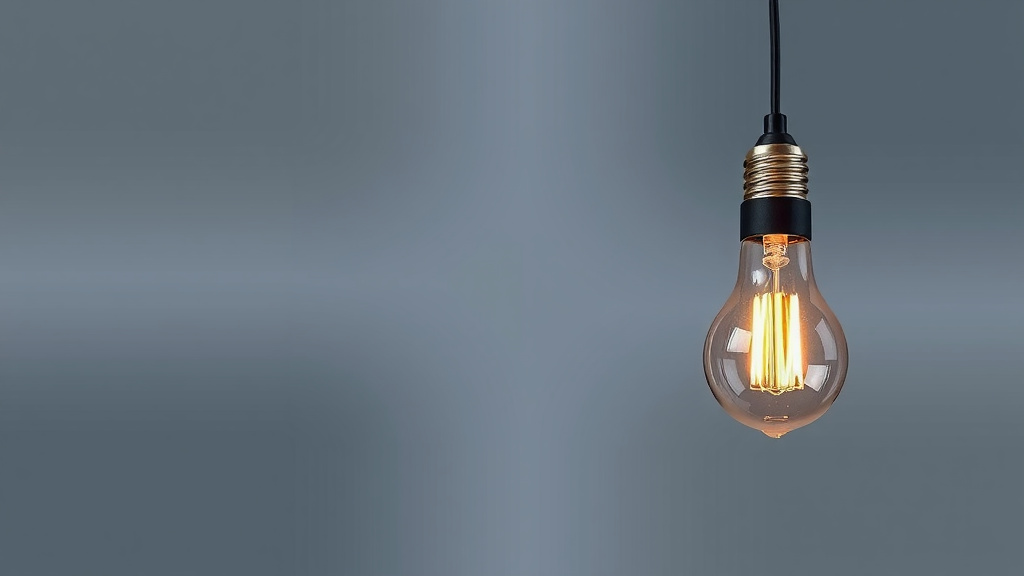
A halogen lamp works by using a tungsten filament that heats up and glows when electricity passes through it. A special gas, usually a form of halogen, is sealed inside the bulb. This gas creates a chemical reaction that helps the filament last longer and keeps the bulb from darkening. It’s a clever way to get bright light from a small package.
Unlike older incandescent bulbs, halogen lamps don’t lose their brightness as quickly. The halogen cycle is key here. It means that as the filament vaporizes, the halogen gas traps the tungsten particles. It then redeposits them back onto the filament. This process significantly extends the bulb’s life and maintains its light output.
- Halogen lamps use a tungsten filament that glows with electricity.
- A halogen gas inside the bulb enables a special chemical reaction.
- This reaction helps the filament last much longer.
- It also prevents the bulb from becoming dark over time.
So, how exactly does this magical halogen cycle keep your lights bright and lasting? Let’s dive a bit deeper into the science behind it all.
How a Halogen Lamp Actually Works
You’re likely familiar with halogen lamps. They’re common in kitchens, bathrooms, and even some car headlights. But have you ever stopped to wonder what makes them so different from regular incandescent bulbs?
The Basic Setup: More Than Just a Glowing Wire
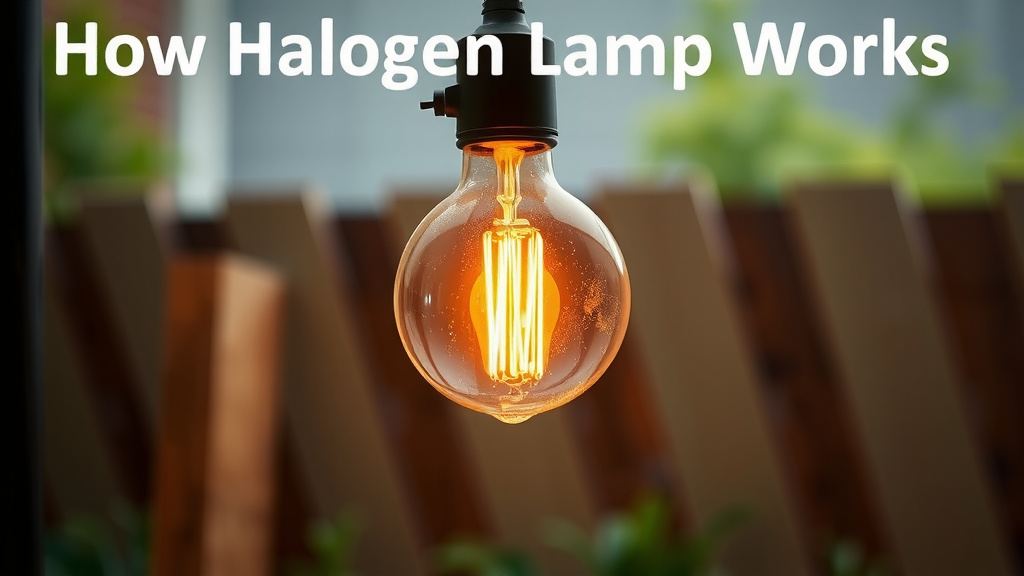
At its core, a halogen lamp is quite similar to its older incandescent cousin. You have a thin wire, called a filament, usually made of tungsten. When you flip the switch, electricity flows through this filament. This electrical resistance causes the tungsten to heat up incredibly fast. As it gets hotter, it begins to glow, producing light. That’s the fundamental principle behind all incandescent bulbs. Our guide explains what bulb your lamp needs, covering base types, shapes, and wattage.
However, what sets a halogen lamp apart is what’s happening inside the glass bulb itself. Instead of being filled with a vacuum or just inert gas, a halogen lamp contains a small amount of a special gas. This gas is a halogen element, like iodine or bromine. This might not sound like a big deal, but this halogen gas is the key to the lamp’s longevity and consistent brightness.
The Magic of the Halogen Cycle
This is where things get interesting! The halogen gas isn’t just sitting there; it’s actively participating in a chemical process. This process is known as the halogen cycle. It’s a clever way the lamp cleans and repairs itself, in a manner of speaking.
What Happens to the Filament?
Over time, as the tungsten filament heats up and glows, tiny amounts of tungsten vaporize. In a regular incandescent bulb, this vapor floats around and eventually deposits on the inside of the glass bulb. This is why older bulbs turn dark and lose their brightness. It’s like the bulb is getting a permanent case of the grime. You can compare a filament lamp vs LED to see which lighting technology is better for your needs.
The Halogen Gas to the Rescue
In a halogen lamp, that escaping tungsten vapor doesn’t just get lost. The hot halogen gas reacts with the tungsten vapor. It forms a tungsten halide gas. Think of it like the halogen gas grabbing onto the rogue tungsten particles before they can stick to the glass.
Redepositing the Tungsten
Now, here’s the truly ingenious part. When the tungsten halide gas comes into contact with the very hot filament again, the heat causes it to break down. The halogen gas is released, ready to grab more tungsten. But the tungsten itself is redeposited back onto the filament. It’s like a tiny, constant repair crew for your light bulb’s filament!
This cycle means that less tungsten is lost from the filament over its life. This leads to two major benefits: your halogen bulb stays brighter for longer, and it lasts much longer than a standard incandescent bulb.
Why Does This Matter to You?
So, why should you care about this internal chemical dance? The halogen cycle directly impacts your experience as a user. Here’s what it means for your home:
- Brighter Light: Because the glass doesn’t darken, halogen bulbs maintain their initial brightness for a much longer time. You won’t notice a gradual dimming effect like you do with older bulbs.
- Longer Lifespan: The ability to redeposit tungsten onto the filament significantly extends the bulb’s operational life. You’ll be replacing bulbs less often.
- Compact Size: The higher operating temperature made possible by the halogen cycle means you can get more light output from a smaller bulb. This is why you see so many compact halogen spotlights.
- Better Color Rendering: Halogen bulbs typically produce a warm, natural-looking light. Many people find the color rendition to be superior for tasks like cooking or applying makeup. We found that the Color Rendering Index (CRI) for halogen lamps is often very high, usually around 100 (Lighting Research Center).
The Materials Inside: What Makes It Work?
Beyond the filament and the halogen gas, the construction of a halogen lamp is also important for its function. You’ll notice they often have a smaller glass envelope, and the glass is made of quartz or high-silica glass.
The Filament: A Special Tungsten Coil
The tungsten filament isn’t just a straight wire. It’s coiled, sometimes multiple times, to pack more length into a small space. This coiled design increases its resistance and helps it get hot enough for the halogen cycle to work effectively. Many experts agree that the specific alloy and shape of the tungsten coil are critical for performance (Illuminating Engineering Society).
The Gas Fill: Halogen and More
As we discussed, a small amount of a halogen gas is essential. But it’s not just pure halogen. The bulb is usually filled with a mixture of gases. This often includes an inert gas like argon or nitrogen, mixed with the halogen. This helps maintain the correct pressure inside the bulb and prevents other unwanted chemical reactions.
The Quartz Envelope: Handling the Heat
Standard glass can’t withstand the high temperatures generated inside a halogen bulb. That’s why they use quartz or a special type of high-silica glass. This material is much stronger at high temperatures and can handle the intense heat without deforming or breaking. It also has excellent optical clarity, meaning it doesn’t distort the light.
A Quick Comparison: Halogen vs. Incandescent
It’s helpful to see how halogen lamps stack up against the older technology they largely replaced. This table highlights the key differences you’d notice:
| Feature | Standard Incandescent | Halogen Lamp |
|---|---|---|
| Filament Material | Tungsten | Tungsten |
| Gas Fill | Vacuum or Inert Gas | Halogen Gas + Inert Gas |
| Bulb Darkening | Yes, significantly over time | Very little, maintains brightness |
| Lifespan | Shorter (approx. 750-1000 hours) | Longer (approx. 2000-4000 hours) |
| Efficiency | Lower | Slightly Higher (but still less efficient than LED) |
| Operating Temperature | Lower | Higher |
Checking Your Understanding: Halogen Lamp Basics
Let’s quickly recap the essentials. Can you recall these key points?
- The heart of the lamp is a tungsten filament.
- A halogen gas is sealed inside the bulb.
- The halogen cycle redeposits tungsten back onto the filament.
- This process prevents bulb darkening.
- It also significantly increases the bulb’s lifespan.
- Quartz glass is used to withstand the high temperatures.
Conclusion
You’ve now seen how halogen lamps use a clever chemical process to deliver bright, consistent light. The halogen cycle actively replenishes the tungsten filament, preventing it from darkening and extending its life. This means you enjoy better light quality and fewer bulb changes compared to older incandescents. While newer technologies exist, understanding this foundational lighting science helps you appreciate the performance you get from your current halogen bulbs. Next time you switch on a halogen lamp, you’ll know the tiny, self-repairing magic happening inside!
Frequently Asked Questions
Can I replace a regular incandescent bulb with a halogen bulb?
Generally, yes, you can often replace a standard incandescent bulb with a halogen bulb of the same wattage and base type. Halogen bulbs are designed to be compatible in most fixtures. Just be sure to check the fixture’s maximum wattage rating to ensure it’s safe.
Why do halogen bulbs feel hotter than regular bulbs?
Halogen lamps operate at higher temperatures. This intense heat is necessary for the halogen cycle to work effectively. The quartz glass used in halogen bulbs can also withstand these higher temperatures, unlike standard glass.
How long do halogen bulbs typically last?
Halogen bulbs usually last longer than traditional incandescent bulbs. You can expect a lifespan of around 2,000 to 4,000 hours for a typical halogen bulb. This is due to the tungsten redeposition process that slows filament degradation.
Are halogen bulbs energy efficient?
Halogen bulbs are more efficient than standard incandescent bulbs but are still less efficient than modern LED or CFL options. While the halogen cycle improves efficiency, they still convert a lot of energy into heat rather than light.
What happens if a halogen bulb breaks?
If a halogen bulb breaks, be cautious as the glass is often made of quartz, which is hot. It’s best to let the bulb cool completely before attempting to clean it up. Wear gloves when handling broken glass and ensure proper disposal.
![10 Best Brand Uv Nail Lamp [2026]](https://bestdesklamp.com/wp-content/uploads/2026/08/10-best-brand-uv-nail-lamp-2026-featured-768x432.jpg)
![10 Best Arched Floor Lamp [2026]](https://bestdesklamp.com/wp-content/uploads/2026/09/10-best-arched-floor-lamp-2026-featured-768x432.jpg)
![10 Best Cordless Nail Lamp [2026]](https://bestdesklamp.com/wp-content/uploads/2026/09/10-best-cordless-nail-lamp-2026-featured-768x432.jpg)