How Fog Lamps Work: Illuminating Your Drive Safely
Fog lamps work by casting a low, wide beam of light designed to cut through fog, rain, or snow. Unlike your headlights, which point forward and upward, fog lights are Our guide to fog lamps vs fog lights explains the difference.mounted low on your vehicle. They are specifically engineered to illuminate the road surface directly in front of you, reducing glare and improving visibility when weather conditions make it difficult to see. This helps you navigate safely.
When driving in poor weather, fog lights are your best friend. They help you see the road’s edge and avoid obstacles that your main headlights might miss. Proper use ensures you can react quickly to hazards. Using them correctly means better safety for you and others on the road.
- Fog lamps project light low and wide.
- This helps cut through fog and reduces glare.
- They are mounted lower than headlights.
- They illuminate the road surface directly ahead.
- This improves your ability to see hazards.
Let’s walk through exactly how these specialized lights work to keep you safer on those dreary drives.
How Vehicle Fog Lamps Enhance Your Visibility
Your vehicle’s fog lamps are engineered to provide a unique beam pattern. They’re designed to help you see better when the weather turns nasty. Think of them as special-purpose lights. They work differently than your standard headlights.
The Science Behind Fog Lamp Illumination
Fog lamps are designed to cast a wide, flat beam. This light sits very low to the ground. It helps to light up the road surface directly in front of your car. This is important because fog and heavy rain can reflect headlight beams back at you. This reflection creates glare. Glare makes it harder to see. Fog lamps avoid this by staying below the densest part of the fog or spray.
Beam Pattern: Low and Wide
The key difference is the beam’s shape and direction. Headlights project a longer, more focused beam. They aim to show you what’s far ahead. Fog lamps, on the other hand, fan out horizontally. Research shows this wide spread is perfect for illuminating the road shoulders and the immediate path ahead. This helps you stay centered in your lane. It also makes it easier to spot lane markings and potential hazards. You’re less likely to be blinded by your own light reflecting off the moisture.
Color Temperature: Often Yellow or White
You might have noticed fog lamps come in different colors. Some are a clear, bright white. Others have a distinct yellow or amber hue. Both have their advantages. White light is generally brighter. It can help reveal more detail. Yellow or amber light is thought to cut through fog and mist more effectively. Some studies suggest that yellow light scatters less in particles like fog. This can lead to less back-scatter and reduced glare. Many manufacturers now offer both options.
Mounting Location: The Key Difference
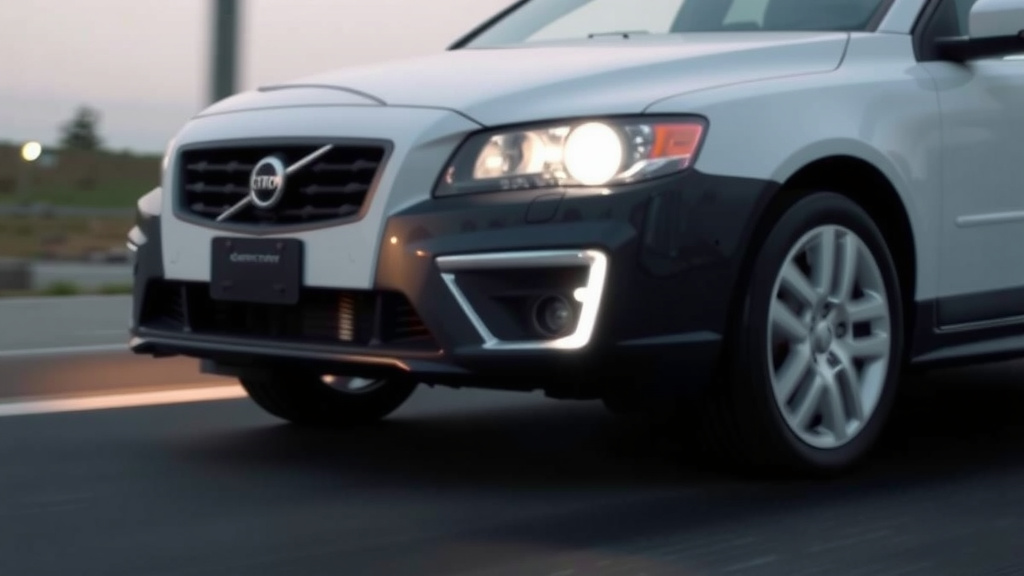
The placement of fog lamps is another critical design element. They are mounted much lower on the vehicle’s front bumper. This is usually below the main headlights. This low positioning is not just for looks. It’s a functional necessity. It ensures the light beam stays below the main layer of fog or mist. This prevents the light from bouncing back into your eyes. It allows you to see the road surface directly in front of you much more clearly. This is vital for safe driving in low-visibility conditions. Think about it: if the light is coming from high up, it’s more likely to hit the fog and bounce right back.
How Fog Lamps Interact with Your Headlights
It’s important to understand when to use your fog lamps. They are not meant to replace your headlights. They are supplemental lighting. You should use your headlights whenever visibility is reduced. This includes dusk, dawn, and bad weather. Fog lamps should be used Learn when to use fog lights and when to keep them off.in addition to your headlights when the fog, rain, or snow is dense enough to impair your vision significantly. Many drivers mistakenly think fog lamps are for all bad weather. However, using them on clear nights can actually impair the vision of oncoming drivers. They can create unwanted glare for others on the road. So, always use them judiciously.
When to Turn Them On (and Off)
The general rule of thumb is to turn on your fog lamps when you can barely see the road ahead. If your regular headlights are struggling to show you the road markers or the edge of the pavement, it’s likely time for fog lamps. Many modern vehicles have integrated controls for fog lamps, often on the same stalk as your headlight controls. Always remember to turn them off when the weather improves. This is not just courteous; it’s a safety measure to prevent dazzling other drivers. Your car’s manual will have specific instructions for your model.
Types of Fog Lamps and Their Technology
Over the years, fog lamp technology has evolved. This has led to different types available on vehicles today. Each type offers slightly different performance characteristics.
Halogen Fog Lamps
These are the older, more traditional type. Halogen bulbs use a filament heated by electricity. They produce a warm, yellowish light. They are generally less bright and less energy-efficient than newer technologies. However, they are often less expensive to replace. We found that many older vehicles are still equipped with halogen fog lamps.
LED Fog Lamps
Light Emitting Diodes (LEDs) are now very common. They are highly energy-efficient. They produce a bright, crisp white light. LEDs are also very durable and have a long lifespan. They can be designed to produce very specific beam patterns. Many manufacturers choose LEDs for their modern designs and performance. Research from automotive engineers suggests LEDs offer a good balance of brightness and energy saving.
HID (High-Intensity Discharge) Fog Lamps
HID lamps, also known as xenon lamps, produce a very bright, bluish-white light. They work by creating an electrical arc through a gas. HID lamps are very powerful. They can offer excellent visibility. However, they consume more power than LEDs. They also tend to be more expensive. Some argue they can be *too* bright if not properly aimed.
Are Fog Lamps Always Necessary?
No, fog lamps are not for every driving situation. Their purpose is very specific. They are designed to combat reduced visibility caused by fog, heavy rain, snow, or even dust storms. On clear nights, they can actually create a hazard for other drivers. Think of them as a specialized tool in your car’s safety kit. They are there for when conditions demand them. Not using them when needed can be risky. Using them unnecessarily can also create risks. Understanding their function helps you make safer choices on the road.
A Quick Fog Lamp Checklist
To make sure you’re using your fog lamps effectively and safely, consider this quick checklist:
- Do you know where your fog lamp controls are?
- Are your fog lamps clean and free of debris?
- Are you driving in fog, heavy rain, or snow?
- Can you see the road edge clearly with just your headlights?
- If not, turn on your fog lamps (along with headlights).
- Is visibility improving? Remember to turn them off when it’s safe.
Conclusion
You now understand how fog lamps work to improve your safety in low visibility. Their low, wide beam cuts through fog and rain effectively. This prevents glare that headlights can cause. Remember, fog lamps are supplemental. Use them in addition to your headlights when conditions demand. Turn them off when visibility improves to avoid dazzling other drivers. Knowing when and how to use them makes a real difference. Check your owner’s manual for your specific vehicle’s controls and recommendations. Drive safely!
Frequently Asked Questions
Can I use fog lamps in the rain?
Yes, you can and should use fog lamps in heavy rain. Their design helps cut through mist and spray, much like fog. This low beam illuminates the road surface directly ahead of you, improving visibility when rain is dense.
Are yellow or white fog lights better?
Both yellow and white fog lights have benefits. Yellow light is often thought to scatter less in particles like fog, reducing glare. White light tends to be brighter and can reveal more detail. Research suggests both are effective, with some drivers preferring yellow for its perceived glare-cutting ability.
How do I know if my car has fog lamps?
Most cars equipped with fog lamps have dedicated controls, usually on the same stalk as your headlight switch or on the dashboard. You can also look at the front bumper; fog lamps are typically small, round or rectangular lights mounted low, below the main headlights.
Will using fog lamps drain my car battery faster?
Modern fog lamps, especially LED types, are very energy-efficient. While they do use some power, they won’t significantly drain your battery when used correctly. Older halogen types consume more energy. Turning them off when not needed is always a good practice.
Can I install aftermarket fog lamps on my car?
Yes, you can often install aftermarket fog lamps. However, it’s important to ensure they are wired correctly and aim properly. Improperly installed or aimed fog lamps can create glare for other drivers. It’s often best to have this done by a professional.