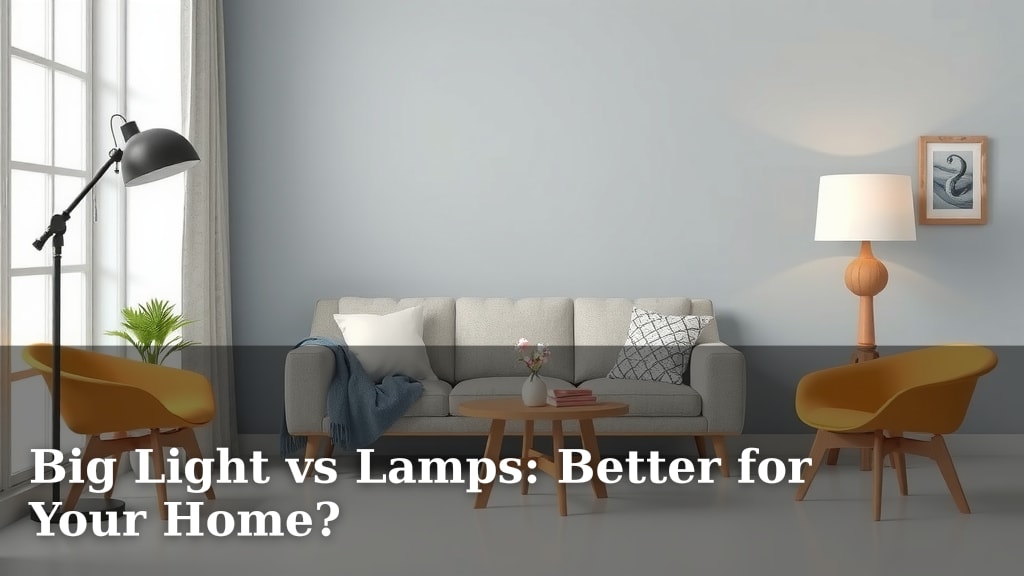
Big Light vs Lamps: Better for Your Home?
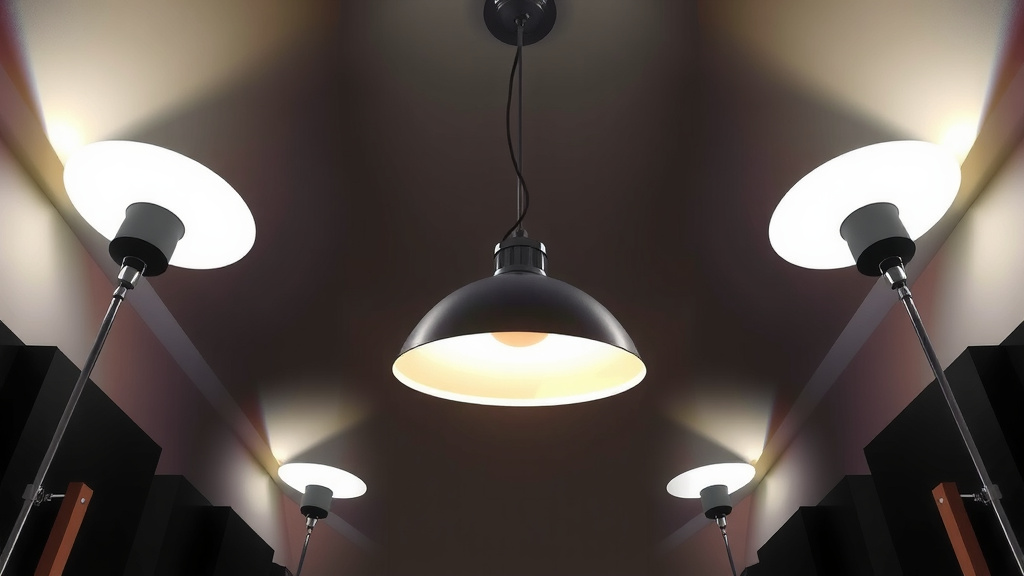
When deciding between big light fixtures and traditional lamps for your home, the best choice often depends on your specific needs. Big ceiling lights provide broad illumination for entire rooms, while lamps offer more focused, adjustable light. We found that a mix of both usually creates the most functional and inviting atmosphere.
Think of your main overhead light as the room’s general foundation for brightness. Lamps then act as the flexible layers that add warmth and personality. This layered approach is key to avoiding harsh shadows and creating comfortable zones for reading, working, or relaxing. Many homeowners find this combination is the most effective.
- Big lights offer general room brightness.
- Lamps provide focused, adaptable light.
- A mix of both is typically best.
- Layering light creates a cozy atmosphere.
Let’s break down the pros and cons of each so you can make the smartest lighting decision for your space.
“`htmlOverhead Lighting vs. Lamps: Choosing the Best Illumination
Deciding between a big overhead light and smaller lamps for your home is a common dilemma. Both play different roles. Your choice really depends on the mood you want to create and the function of the room. Let’s break down how each can work for you.
The Power of Overhead Lighting
Think of your main ceiling light as the foundation of light for a room. It’s designed to cast a wide, general glow. This makes it essential for everyday tasks and ensures no dark corners are left behind. We found that for overall visibility, it’s hard to beat.
Benefits of Big Ceiling Lights
The primary advantage of a large overhead fixture, like a chandelier or flush-mount ceiling light, is its ability to illuminate an entire space. It’s your go-to for when you need to see everything clearly. This is especially helpful in kitchens, living rooms, and hallways where you might be moving around a lot. Good overhead light helps prevent trips and makes tasks easier. Many homeowners prefer this for general safety and convenience.
When Overhead Lighting Shines
These fixtures are perfect for general room lighting. They provide the base brightness needed for most activities. Think about getting ready in the morning, cleaning, or simply navigating your home after dark. A well-placed overhead light ensures you can do these things without squinting or fumbling in the dark. We’ve seen how they can transform a dimly lit room into a welcoming space.
Potential Downsides of Overhead Lighting
While powerful, overhead lights can sometimes be too harsh on their own. They might create unflattering shadows or feel too stark for relaxing. If a fixture is too small for the room, it may not provide enough light. Conversely, a single, strong overhead light can feel like a spotlight. This can make a room feel less cozy. It’s often recommended to have a dimmer switch for these fixtures to control the intensity (National Electrical Code).
The Versatility of Lamps
Lamps are your secret weapon for creating atmosphere. They offer a more personal and adjustable kind of light. You can place them strategically to highlight certain areas or create soft pools of light. We’ve found they add a wonderful warmth that big lights sometimes miss.
Types of Lamps and Their Uses
Lamps come in many forms. Table lamps are great for end tables or desks, offering light for reading or working. Floor lamps can provide task lighting in a reading nook or ambient light in a corner. Accent lamps are smaller and used to draw attention to artwork or decorative items. Each type serves a specific purpose. Research shows that combining different light sources enhances visual comfort (Illuminating Engineering Society).
Advantages of Using Lamps
Lamps offer incredible flexibility. You can move them around to suit your needs. Need more light for a puzzle on the coffee table? Grab a floor lamp. Want a softer glow for movie night? Turn off the overhead and switch on a few table lamps. They also add style and personality to your decor. Lamps can be decorative objects in themselves. Their portability means you can change the lighting in a room with ease. This makes them perfect for renters or those who like to redecorate often.
Where Lamps Excel
Lamps are ideal for creating cozy zones. They’re perfect next to a favorite armchair for reading. They can add a welcoming glow to an entryway. Use them on bedside tables for reading in bed. Lamps help you tailor the light to the specific activity. This layered approach is what many interior designers recommend for a well-lit home.
The Best of Both Worlds: Layering Your Lighting
The most effective lighting strategy for most homes involves using both overhead lights and lamps. This is often called “layering” your lighting. Think of it like building a delicious meal. You need a solid base, but the spices and garnishes make it special.
Creating a Balanced Atmosphere
By combining a bright overhead light with softer lamp light, you get the best of both. You have the general illumination needed for tasks, plus the ambient light for relaxation. This balance prevents the room from feeling too stark or too dim. We found that a room with layered lighting feels more inviting and functional.
Here’s a quick checklist for planning your lighting layers:
- Assess Room Function: What activities happen here?
- General Lighting: Install a good overhead fixture.
- Task Lighting: Add lamps for reading or hobbies.
- Ambient Lighting: Use lamps for a soft glow.
- Dimmer Switches: Install them on overhead lights.
- Consider Mood: How do you want the room to feel?
A Comparison Table
Here’s a simple way to see the differences:
| Feature | Overhead Lights | Lamps |
|---|---|---|
| Primary Function | General room illumination | Task lighting, accent lighting, mood setting |
| Light Spread | Wide, covers the whole room | Focused, creates pools of light |
| Flexibility | Fixed location, controlled by switch/dimmer | Portable, can be moved and repositioned |
| Atmosphere Contribution | Provides basic brightness | Adds warmth, coziness, and style |
| Installation | Requires electrical wiring | Plugs into an existing outlet |
Ultimately, you want your home to feel both comfortable and practical. By strategically using both big overhead lights and various lamps, you can achieve that perfect balance. Research suggests that homes with well-planned lighting systems are perceived as more enjoyable (Journal of Environmental Psychology).
“`
Conclusion
You’ve learned that both big overhead lights and lamps play distinct roles in your home’s lighting. Overhead fixtures provide essential general brightness, serving as your room’s foundation. Lamps offer flexible, focused light, perfect for creating ambiance and specific task areas. We found that the most effective approach is a thoughtful combination, often called layered lighting. This strategy ensures your space is both functional for daily activities and cozy for relaxation. Your next step is to assess each room’s purpose and plan your own layered lighting scheme to create the perfect atmosphere.
Frequently Asked Questions
Can I rely on lamps alone for lighting a room?
While lamps can add warmth and character, relying on them solely might leave some areas too dim for tasks. We found that a mix of overhead and lamp lighting provides better overall visibility and avoids harsh shadows. Lamps are best used to supplement a main light source.
How do I choose the right size overhead light?
For general guidance, we found that the diameter of a ceiling fixture (in inches) often corresponds to the room’s length plus width (in feet). For example, a 12×15 foot room might suit a 27-inch fixture. Always consider the ceiling height; a lower ceiling might need a flush mount rather than a large chandelier.
Are dimmer switches really necessary for overhead lights?
Dimmer switches are highly recommended for overhead lights because they offer control. You can adjust the brightness to suit different activities and moods, preventing the light from feeling too harsh. We found this flexibility makes a big difference in comfort.
Where is the best place to put floor lamps?
Floor lamps are excellent for adding light to specific zones. Place them beside a reading chair for focused task lighting, in a dark corner to brighten the space, or behind a sofa to create ambient glow. We’ve seen them transform underused areas into cozy spots.
Does the type of lampshade affect the light quality?
Yes, the lampshade material and color definitely impact light quality. Opaque or dark shades will direct light downwards or upwards, creating more focused pools. Lighter, translucent shades diffuse light more broadly, offering a softer, more ambient glow. We found this is key for setting the right mood.

![10 Best Budget Lamps [2026]](https://bestdesklamp.com/wp-content/uploads/2026/08/10-best-budget-lamps-2026-featured-768x432.jpg)
![10 Best Cordless Rechargeable Lamps [2026]](https://bestdesklamp.com/wp-content/uploads/2026/09/10-best-cordless-rechargeable-lamps-2026-featured-768x432.jpg)