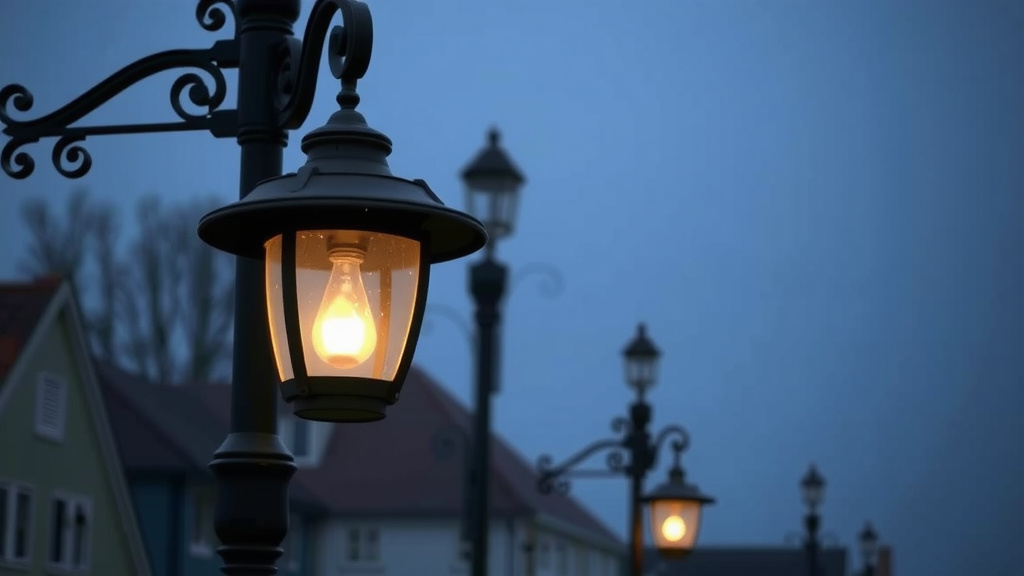
How Gas Lamps Work: A Simple Explanation
Gas lamps work by burning a fuel, typically natural gas, to create a visible flame that produces light. The gas is fed through a controlled valve, mixed with air, and ignited by a pilot light or spark. This creates a steady, warm glow, often amplified by a glass chimney and a mantle for brighter illumination. You’re essentially harnessing a For a similar, wind-resistant lighting solution, learn how hurricane lamps work.controlled fire to light up your space, making it a charming and effective lighting method.
Understanding how gas lamps function involves a few key components. The gas supply is the first step, followed by the burner assembly where the magic happens. A mantle, usually made of thorium and cerium oxides, heats up and glows intensely when exposed to the flame. This process is what converts the heat energy into visible light, much like a tiny, glowing star.
- Gas lamps burn fuel like natural gas for light.
- A controlled valve and air mix feed the flame.
- A mantle glows brightly from the heat.
- This turns heat energy into light energy.
- It’s like a controlled, efficient fire for illumination.
Let’s walk through exactly how these fascinating lights generate their glow, step by step.
How Gas Lamps Make Light: A Closer Look
You might be wondering what makes a gas lamp glow so invitingly. It’s a clever process of controlled combustion. Essentially, you’re burning fuel in a safe and steady way. This produces heat, and that heat is what we convert into light. It’s a pretty neat trick when you think about it!
The Fuel Source: What Powers the Flame
Most modern gas lamps use natural gas as their fuel. This is the same gas that heats many homes and cooks food. It’s convenient and readily available in many areas. Older lamps might have used manufactured gas or propane. Each type has its own characteristics for burning. But the basic principle remains the same: a combustible gas is fed to a burner.
The Journey of the Gas: From Supply to Burner
The gas doesn’t just magically appear at the flame. It travels through a system. First, you have the gas supply line. This connects to a valve. This valve is like a faucet for the gas. You control the flow rate with it. A steady, consistent flow is key for stable light. Too much gas, and you get a roaring flame. Too little, and the flame might flicker or go out.
Controlling the Flow: The Importance of Valves
Think of the valve as the gatekeeper for your light. It allows you to adjust the intensity of the flame. This is usually done with a simple knob or lever. When you turn it, you’re opening or closing tiny pathways for the gas. This careful control ensures you get the right amount of fuel for optimal burning.
Mixing with Air: The Recipe for a Good Flame
Pure fuel gas doesn’t burn very well on its own. It needs something to help it combust efficiently. This is where air comes in. Gas lamps are designed to mix the fuel gas with air before it reaches the burner. This mixture is called the air-gas ratio. Getting this ratio right is super important. It ensures a clean, bright, and steady flame. Without enough air, the flame might be yellow and sooty. Too much air can make the flame too cool or even blow it out.
The Role of the Air Vent
How does the air get mixed in? Usually, there’s an air vent. This is a small opening near the burner. As the gas rushes out, it pulls air in through the vent. This air then mixes with the gas. It’s a simple but effective design. Many lamps have adjustable vents. This lets you fine-tune the air intake. You can adjust it based on the type of gas or atmospheric conditions.
Ignition: Starting the Glow
Once you have the right mix of gas and air, you need to ignite it. This is the moment the light truly comes to life! Older lamps might have had a match or a lighter. Modern lamps often have a built-in igniter. This could be a spark igniter, like the one in your gas stove. Some even have a pilot light. A pilot light is a small, constant flame. It’s always on, ready to light the main burner when needed. This makes starting the lamp quick and easy.
The Magic Mantle: Turning Heat into Light
This is where the real show happens! The flame itself isn’t what gives you bright, usable light. The flame heats up a special component called a mantle. This mantle is a small, mesh-like bag. It’s usually made from a fabric treated with certain chemicals. Common materials include thorium and cerium oxides. When heated intensely by the flame, these chemicals glow incredibly brightly. This process is called incandescence. It’s similar to how the filament in an old-fashioned light bulb glows.
Why the Mantle is Key
The mantle is the light-producing element. Without it, you’d just have a small, sooty flame. The mantle converts the heat energy from the gas flame into visible light energy. The brighter the flame, the hotter the mantle gets, and the more light it emits. This is why getting the gas and air mix just right is so critical for the mantle’s performance.
Containing and Directing the Light
To make the light useful, it needs to be contained and directed. This is where the glass chimney and other parts come in. The glass chimney is more than just decoration. It protects the mantle from drafts and wind. This stops the flame from flickering or going out. It also helps to draw air up through the burner. This maintains the consistent air-gas mixture. Some lamps also have reflectors. These bounce the light outward, making the illumination more effective.
A Simple Checklist for Understanding
Let’s recap the main steps involved:
- Gas supply is controlled by a valve.
- Gas mixes with air for efficient burning.
- Ignition starts the flame.
- The flame heats the mantle.
- The mantle glows brightly, producing light.
- A chimney protects the flame and directs light.
Gas Lamp Components at a Glance
Here’s a quick look at the primary parts and their roles:
| Component | Function |
|---|---|
| Gas Supply | Provides the fuel (e.g., natural gas). |
| Valve | Regulates the flow of gas. |
| Burner Assembly | Mixes gas with air and houses the igniter. |
| Air Vent | Allows air to mix with the gas. |
| Mantle | Heats up and glows brightly from the flame. |
| Glass Chimney | Protects the flame and aids airflow. |
| Reflector (Optional) | Directs light where needed. |
So, you see, it’s a series of well-orchestrated steps. Each part plays a vital role in turning simple fuel into that warm, inviting glow. It’s a beautiful piece of engineering that has lit up spaces for generations!
Conclusion
You’ve now seen how gas lamps transform simple fuel into a warm, inviting glow. It’s a clever process involving controlled combustion, precise gas and air mixing, and the magic of a heated mantle. Each component, from the valve to the chimney, plays a part in this reliable lighting method. Understanding these steps helps you appreciate the engineering behind your gas lamp. If you’re looking to experience this charm firsthand, consider researching portable gas lanterns for your next outdoor adventure or even decorative indoor models.
Frequently Asked Questions
How often do I need to replace a gas lamp mantle?
Mantle lifespan varies, but they typically last for several hundred hours of use. You’ll know it’s time for a replacement when the mantle starts to fray, become brittle, or if the light output diminishes significantly. Handle old mantles gently, as they can disintegrate easily.
Can I use any type of gas in a gas lamp?
Most modern gas lamps are designed for natural gas or propane. It’s important to use the fuel type your specific lamp is designed for. Using the wrong gas can lead to poor performance, incomplete combustion, or even damage to the lamp.
Why does my gas lamp flame flicker sometimes?
A flickering flame is often caused by drafts or an improper air-gas mixture. Ensure the glass chimney is properly seated and that there are no strong air currents around the lamp. You may also need to adjust the air vent to get the right balance for a steady burn.
What makes the mantle glow so brightly?
The mantle is made of a special fabric treated with rare-earth oxides, like thorium and cerium. When heated to a high temperature by the gas flame, these oxides incandesce, emitting a bright, white light. This process converts heat energy directly into visible light.
Are gas lamps safe to use indoors?
While some gas lamps are designed for indoor use, safety is paramount. Always ensure adequate ventilation, as burning gas produces carbon monoxide. Never leave an indoor gas lamp unattended, and always follow the manufacturer’s specific safety instructions for your model.

![10 Best Bedside Lamps For Sleep [2026]](https://bestdesklamp.com/wp-content/uploads/2026/08/10-best-bedside-lamps-for-sleep-2026-featured-768x432.jpg)
![10 Best Battery Pack For Lamps With No Outlet [2026]](https://bestdesklamp.com/wp-content/uploads/2026/08/10-best-battery-pack-for-lamps-with-no-outlet-2026-featured-768x432.jpg)