How Many Inches Is a Lamp? Standard Lamp Sizes Explained
Most lamps are between 24 and 36 inches tall, though the right height depends on the type of lamp you need. Table lamps usually run 24 to 30 inches, while floor lamps often measure 58 to 64 inches. So “how many inches is a lamp” doesn’t have one single answer, but we can get you pretty close.
Why does height matter so much? Because a lamp at the wrong height can glare in your eyes or leave your room feeling dim and off-balance. Many experts say the bottom of a table lamp’s shade should sit near your eye level when you’re seated. We found that keeping the bottom of the shade around your seated eye height is a simple rule that works in almost any room.
Here’s the quick version before we go deeper:
- Table lamps typically measure 24 to 30 inches tall.
- Bedside lamps work best at 24 to 28 inches.
- Floor lamps usually stand 58 to 64 inches high.
- Desk lamps are shorter, often 12 to 20 inches.
- The best lamp height keeps the shade near your eye level when seated.
Below, we break down the standard heights for every lamp type, plus simple tips for picking the perfect size for your space. Let’s get into it.
Standard Lamp Heights by Type
Here’s the breakdown you came for. Each lamp type has a typical height range, and we’ve laid them all out so you can compare at a glance.
| Lamp Type | Typical Height | Best Use |
|---|---|---|
| Bedside table lamp | 24–28 inches | Reading in bed |
| Living room table lamp | 26–34 inches | Ambient light, side tables |
| Console/dresser lamp | 28–32 inches | Entryways, buffets |
| Desk lamp | 12–20 inches | Task lighting |
| Accent lamp | 10–18 inches | Shelves, small spaces |
| Floor lamp | 58–64 inches | Reading nooks, corners |
Notice a pattern? The bigger the surface the lamp sits on, the taller the lamp can be. A nightstand is close to your bed, so a shorter lamp works. A floor lamp starts at the ground, so it needs extra height to reach a useful spot.
Choosing the Right Table Lamp Height
The rule we keep coming back to: match the shade to your seated eye level. Sit in your chair or on your bed, and note where your eyes are — usually 38 to 42 inches off the floor. The bottom of the shade should land right around there.
The Nightstand Math That Actually Works
Most nightstands are 24 to 28 inches tall. Add a lamp that’s 24 to 28 inches, and you land near that 40-inch mark. That’s the sweet spot for reading without glare in your eyes.
When Your Nightstand Is Unusually Tall or Short
Measure first. If your nightstand is 32 inches tall, a 24-inch lamp puts the shade too high. Flip it: pick a lamp that brings the total near eye level. We found that measuring the combined height beats guessing every time.
How Tall Should a Living Room Lamp Be?
For living rooms, aim for a table lamp that’s about 58 to 64 percent of the height of the table it sits on — wait, that’s backwards. Let’s say it the simple way: a side table that’s 24 inches tall pairs nicely with a 26 to 32 inch lamp. Taller sofas and deeper chairs can handle bigger lamps.
Many interior designers also suggest lamps be roughly one-third the height of a nearby table or console. So a 30-inch console wants a lamp near 26 to 30 inches on top. Think of it like a see-saw: lamp and table should balance each other, not compete.
Floor Lamp Height: What Works Best
Floor lamps run 58 to 64 inches in most cases. Some reading-style lamps stretch to 70 inches so light can pour over your shoulder. The test is simple: the shade should sit at or just below your eye level when you’re standing or seated nearby.
Floor Lamps Next to Sofas and Chairs
Place the lamp so the shade lines up with your head when seated. If the shade sits above your eyes, you’ll see the bare bulb — nobody wants that. Slightly below eye level is ideal for reading light.
Desk and Office Lamp Heights
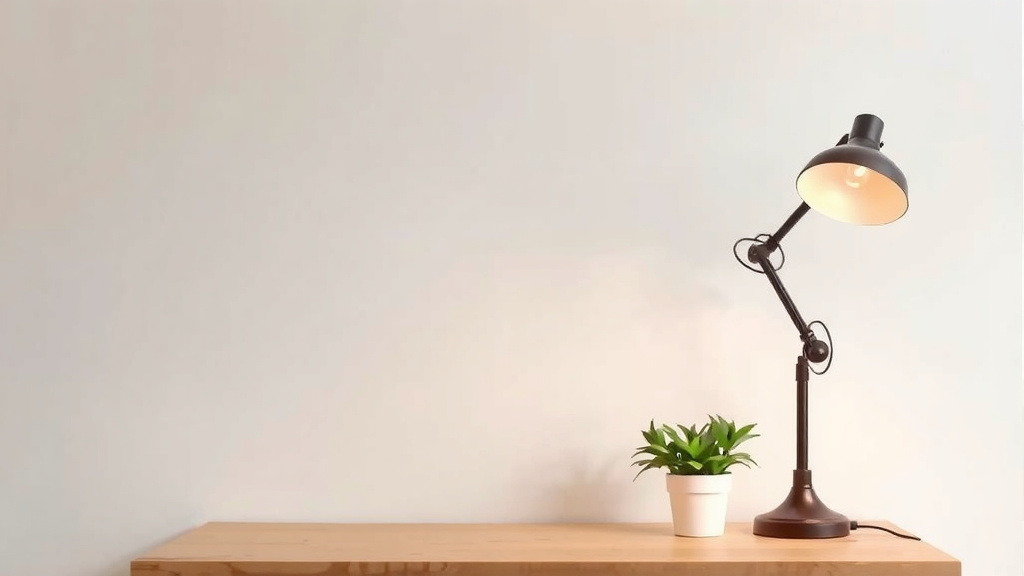
Desk lamps are built for task lighting, so height works differently. Most measure 12 to 20 inches tall, but what matters is where the light lands. You want the bulb above your work surface, not shining into your eyes.
OSHA guidance on screen work warns about glare and eye strain, so position the lamp to the side of your monitor rather than behind or directly in front. Your future eyeballs will thank you.
Why Lamp Height Matters More Than You Think
A lamp that’s too tall shines light directly into your eyes. A lamp that’s too short leaves your book in shadow. Both make your brain work harder, and both can add to eye strain over long reading sessions.
Lighting also shapes how a room feels. Research into interior lighting and comfort consistently links proper light levels to better mood and less fatigue. Many experts say layered lighting — ambient, task, and accent — gives the best overall result in a room.
Other Measurements That Matter Besides Height
Height gets all the attention, but it’s not the whole story. A few other numbers help you pick a lamp that fits.
Shade Width and Base Size
A good starting rule: the shade width should be about two inches wider than the lamp base on each side. The shade should also cover the hardware — no exposed switch or bulb neck peeking out.
Proportion With Your Furniture
Your lamp shouldn’t dwarf the table or vanish on it. We found that a lamp looks balanced when it takes up roughly two-thirds of the visual space above its surface. Bigger sofas want bigger lamps. Tiny side tables want modest ones.
How to Measure a Lamp the Right Way
Measuring takes two minutes and saves a frustrating return trip. Here’s your quick checklist:
- Measure from the bottom of the base to the top of the shade.
- Measure the shade width at its widest point.
- Measure your table or nightstand height.
- Check the harp and finial — they add 2 to 3 inches.
- Note the cord length if the outlet is far away.
- Add everything up and compare to your eye-level target.
Common Lamp Sizing Mistakes to Avoid
Even careful shoppers trip on these. The biggest one? Buying a lamp because it looked perfect in the store’s giant showroom, then bringing it home to a tiny nightstand. Showrooms distort scale.
Other common slip-ups:
- Ignoring the shade size and focusing only on total height.
- Buying matching lamps for rooms that need different heights.
- Placing a tall lamp on a tall table, doubling the height.
- Forgetting that the bottom of the shade — not the finial — is what matters for eye level.
One more tip from our research: painters tape is your friend. Cut a cardboard or tape “mock shade” and hold it at the spot the real shade would sit. It’s low-tech, but it works like a charm before you spend a dime.
Conclusion
So, how many inches is a lamp? Most table lamps land between 24 and 34 inches, floor lamps sit around 58 to 64 inches, and desk lamps stay under 20. But the number on the box matters less than where the bottom of the shade lands. Match that spot to your seated eye level, and you’ve basically won.
Before you buy, measure your table, measure your eye height while seated, and do the quick math. Bring a tape measure shopping or mock it up with painter’s tape at home. Ten minutes of measuring beats months of squinting at a lamp that almost fits. Go grab that tape measure — your eyes will thank you.
Frequently Asked Questions
How tall is too tall for a bedside lamp?
If you sit on your bed and can see the bare bulb, the lamp is too tall. Your eyes should land right at or just below the bottom of the shade. Anything that blasts light straight into your face will make nighttime reading miserable.
Does lamp height include the finial and harp?
Yes, most product listings count the total height from base to the top of the finial. That can add 2 to 3 inches beyond the shade itself. When checking eye level, focus on the shade’s bottom edge instead of the total number.
Can a lamp be too big for a nightstand?
Absolutely. A good rule of thumb is that the lamp should take up about two-thirds of the visual space above the table. If the shade hangs over the edges or blocks your mirror and drawers, size down.
What height lamp do I need for a 30-inch table?
A lamp between 26 and 32 inches works well on a 30-inch table. The combined height puts the shade right around seated eye level for most people. When in doubt, sit down and check where the shade would land before buying.
Are floor lamps adjustable if the height isn’t right?
Many are. Swing-arm and arc lamps let you reposition the shade without moving the base, and some reading lamps offer adjustable poles. If yours isn’t adjustable, changing the bulb wattage or shade size can soften a height mismatch.