Fog Lamp vs Fog Light: The Difference Explained
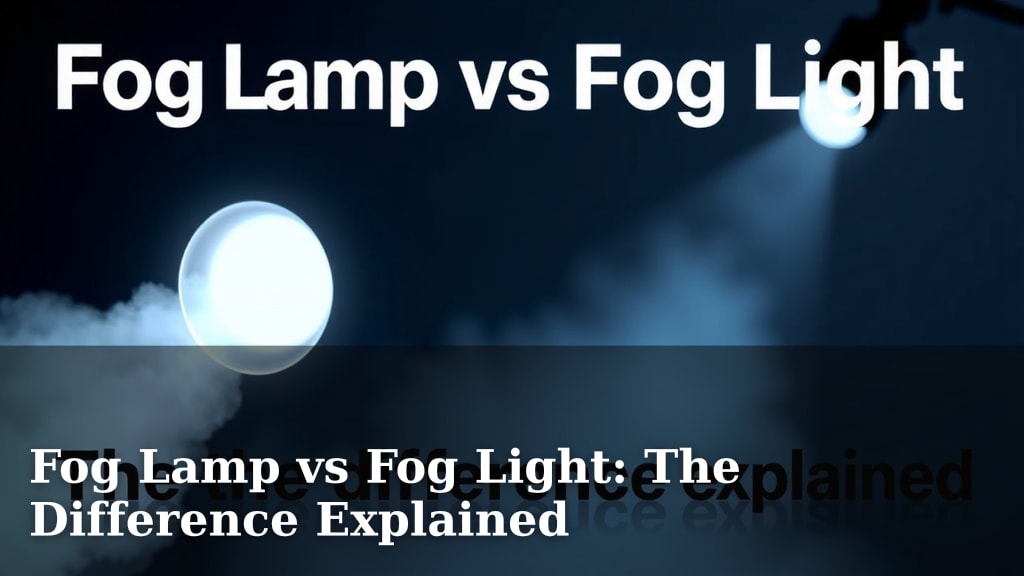
The main difference between fog lamps and fog lights is their purpose and design. Fog lamps are typically mounted low on your vehicle and emit a wide, flat beam to cut through low-lying fog, while fog lights are more general-purpose and can be used in various conditions, often with a broader light spread.
Understanding this distinction can help you choose the right lighting for your driving needs. Many drivers aren’t aware of the subtle yet important differences, leading to confusion when discussing vehicle lighting. We found that knowing which light to use can really improve visibility and safety.
- Fog lamps are low-mounted for low-lying fog.
- Fog lights offer broader illumination for various conditions.
- Proper lighting is key for driving safety.
- Choosing the right light improves your visibility.
Let’s break down the specifics of fog lamps versus fog lights so you can be sure you’re using them correctly.
Understanding Your Vehicle’s Different Lighting Systems
You might be wondering about the difference between your car’s fog lamps and fog lights. It’s a common point of confusion for drivers. We’ve found that understanding their distinct roles can really help you stay safer on the road, especially when visibility drops. Think of them as specialized tools in your car’s lighting toolbox, each designed for a specific job. We’ll break down what makes them different and when you should use them.
What Exactly Are Fog Lamps?
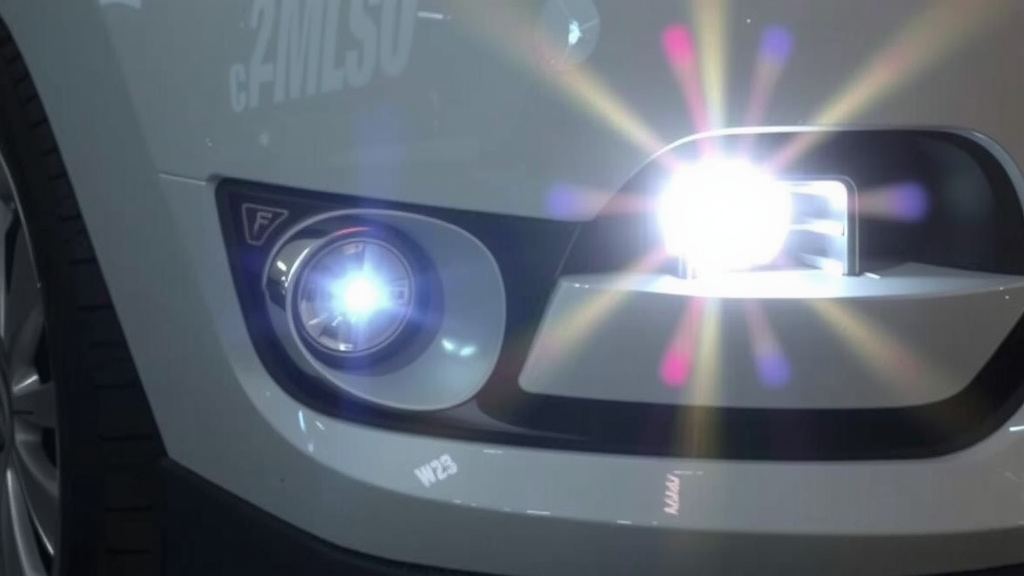
Fog lamps are specifically designed to help you see in foggy conditions. They are typically mounted quite low on the front of your vehicle. This placement is key to their function. Lower placement means the light beam stays closer to the ground. This helps it cut *under* the dense fog that often hangs low.
The Design of Fog Lamps
The beam pattern of fog lamps is also unique. Instead of spreading light high into the air, they emit a wide, flat beam. This low-profile spread prevents light from reflecting back into your eyes. That reflection, or “back-scatter,” is what makes driving in fog even harder. Many experts say this focused beam is essential for navigating low-visibility situations (National Highway Traffic Safety Administration).
When to Use Fog Lamps
You should only use your fog lamps when visibility is severely reduced by fog, heavy rain, or snow. Using them in clear conditions can actually blind other drivers. It’s like shining a spotlight in someone’s eyes unnecessarily. Always remember to turn them off once the weather clears up.
What Are Fog Lights?
Fog lights are a broader category. They are often used interchangeably with “fog lamps,” but technically, they can refer to any auxiliary light designed to improve visibility. Sometimes, these are simply brighter headlights or spotlights. Their beam pattern might be more general, illuminating a wider area.
The Purpose of Fog Lights
Unlike fog lamps, which have a very specific low-beam pattern, fog lights can serve multiple purposes. They might be used to enhance your vision on winding roads or during twilight hours. Some aftermarket fog lights are designed for off-roading, providing powerful illumination for trails.
Comparing Fog Lights to Headlights
It’s helpful to contrast fog lights with your standard headlights. Your headlights are designed to illuminate the road ahead at a distance. They have a higher beam pattern to light up signs and obstacles further down the road. Fog lights, especially true fog lamps, are meant to be used at lower speeds and closer distances. We found that many drivers mistakenly use their high beams in fog, which is counterproductive. High beams reflect off fog droplets, creating a wall of light.
Key Differences Summarized
Let’s put the main distinctions side-by-side. Understanding these differences will help you make the right choice when you’re out on the road. It boils down to their placement and beam pattern.
| Feature | Fog Lamps | Fog Lights (General) |
|---|---|---|
| Primary Purpose | Cutting through low-lying fog, rain, snow | General visibility enhancement, can be varied |
| Mounting Height | Low on the vehicle | Can vary, often similar to headlights or higher |
| Beam Pattern | Wide, flat, low to the ground | Can be more general, wider spread, or focused |
| Best Use Conditions | Dense fog, heavy precipitation | Various low-visibility situations, off-roading, dark roads |
| Risk of Back-Scatter | Minimal due to low, flat beam | Potentially higher, depending on design |
When Should You Turn On Your Fog Lights/Lamps?
The golden rule here is simple: use them when you need them to see, and turn them off when you don’t. Many vehicle manuals advise turning on fog lamps when visibility is less than 100 feet (U.S. Department of Transportation). This is a good benchmark to keep in mind. If you can clearly see further than that, your standard headlights are likely sufficient.
Legal Considerations
It’s worth noting that laws regarding the use of fog lights can vary by state. Some places might have specific regulations about when they can be used. In general, using them improperly, like in clear weather, could result in a ticket. We’ve seen that being mindful of local traffic laws is always a good idea.
Tips for Using Your Vehicle Lighting Effectively
Making sure you’re using your lights correctly is a vital part of safe driving. Here are a few quick tips we’ve found helpful:
- Know your buttons: Familiarize yourself with where the fog lamp switch is on your dashboard.
- Check your beams: Understand the difference between your low beams, high beams, and fog lamps.
- When in doubt, turn them off: If you’re not sure if you need them, it’s often safer to stick to your standard headlights.
- Clean your lenses: Dirty or cloudy lenses on all your lights reduce their effectiveness.
- Practice safe speeds: Always adjust your driving speed to match the visibility conditions.
Conclusion
You now understand the distinct roles of fog lamps and fog lights. Fog lamps, mounted low, use a flat beam to cut under low-lying fog, rain, or snow. General fog lights offer broader illumination for various low-visibility needs. Using the right light at the right time significantly boosts your safety and the safety of others. Always remember to check your local laws and turn off your fog lights when they’re no longer needed to avoid blinding other drivers. Keep your lighting clean and practice safe speeds.
Frequently Asked Questions
Are fog lamps the same as my regular headlights?
No, they are quite different. Your regular headlights are designed to illuminate the road far ahead and high enough to see signs. Fog lamps, however, are mounted lower and cast a wide, flat beam that stays close to the ground. This prevents light from bouncing back at you in foggy conditions.
When is it actually okay to use my fog lights?
You should use your fog lights primarily when visibility is severely reduced by dense fog, heavy rain, or falling snow. A good rule of thumb is if you can’t see more than 100 feet ahead, it’s time to consider them. Always turn them off once visibility improves to avoid distracting other drivers.
Can using fog lamps in clear weather cause problems?
Yes, absolutely. Using fog lamps, especially true fog lamps, in clear conditions can be very distracting and even dangerous for oncoming drivers. Their low, wide beam can be blinding when there’s no fog to cut through, so they should only be used when necessary.
Do all cars come with fog lamps?
Not all vehicles are equipped with factory-installed fog lamps. Some models offer them as an option or in higher trim levels. You may also be able to have aftermarket fog lamps installed by a professional if your car doesn’t come with them.
How can I tell if I have fog lamps or just brighter headlights?
Look at the placement and design of your lights. True fog lamps are typically smaller and mounted very low on the front bumper or grille, often below the main headlights. They usually have a distinct lens pattern. If you’re unsure, consult your vehicle’s owner’s manual.
![10 Best Cordless Led Table Lamp [2026]](https://bestdesklamp.com/wp-content/uploads/2026/09/10-best-cordless-led-table-lamp-2026-featured-768x432.jpg)