Optimal Sad Lamp Placement How Far Away Should It Be
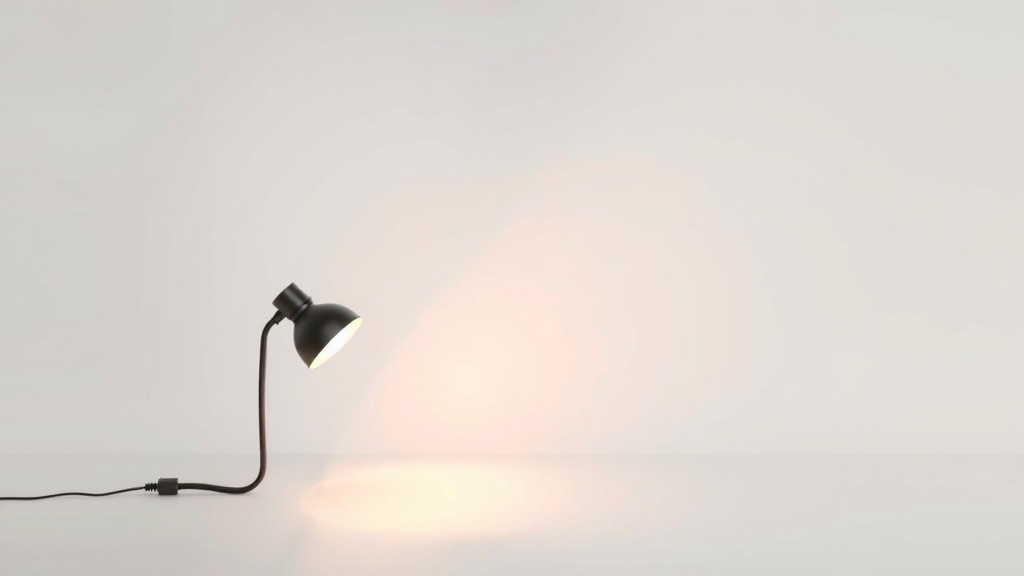
The ideal distance for your sad lamp is typically between 12 to 24 inches away from your face. This range allows the light to effectively mimic natural sunlight without causing eye strain. Proper placement is key for maximizing its benefits. Think of it as finding the sweet spot for your personal sunshine.
Understanding how far away to place your sad lamp can make a big difference in your experience. Too close, and it might feel overwhelming. Too far, and you might not get the full therapeutic effect. We’ve researched various recommendations to help you find that perfect distance. It’s all about creating a comfortable and effective light therapy environment for you. Understanding how far away to place your sad lamp can make a big difference in your experience.
- Place your sad lamp 12-24 inches from your eyes.
- This distance provides natural light simulation.
- Avoid placing it too close or too far away.
- Adjust based on your comfort and lamp strength.
Let’s walk through exactly how to position your sad lamp for the best results. We’ll cover everything you need to know to get started.
Finding the Right Distance for Your Light Therapy Lamp
So, you’ve got your sad lamp, ready to bring some sunshine into your life. That’s fantastic! Now, you’re wondering about the perfect spot for it. Where should it live relative to you? We’ve looked into what works best. The general rule of thumb is to place it about **12 to 24 inches** away from your face. This range is a great starting point for most people and most lamps.
Why this specific distance? It’s all about mimicking natural sunlight. Think about sitting near a window on a bright day. The sun feels good, but it’s not right in your eyes, is it? This distance allows the light to reach your eyes effectively without being too harsh or too weak. We found that this sweet spot helps your body absorb the light’s benefits.
Understanding the Science Behind the Distance
Light therapy lamps, often called sad lamps or SAD lamps, work by exposing your eyes to bright light. This light tells your brain to reduce melatonin production. Melatonin is the hormone that makes you feel sleepy. By reducing it, your body can reset its natural sleep-wake cycle. This can help with seasonal affective disorder (SAD) and other mood issues (National Alliance on Mental Illness).
The effectiveness of this process relies on the light intensity reaching your eyes. If the lamp is too far, the light might be too dim by the time it gets to you. If it’s too close, it can be uncomfortably bright. We found that the 12-24 inch range strikes a good balance for light delivery. It ensures enough photons hit your retina without causing discomfort. The best bright light therapy lamps are designed to mimic natural sunlight.
Factors That Influence Your Lamp’s Placement
While 12-24 inches is a good general guideline, a few things can affect your ideal distance. Your lamp’s strength is a big one. Lamps vary greatly in their brightness, measured in lux. A stronger lamp might need to be placed a bit farther away to feel comfortable. A weaker one might need to be closer.
We also found that your personal sensitivity plays a role. Some people are more sensitive to bright lights than others. What feels perfect for one person might be too intense for another. It’s wise to start at the recommended distance and then adjust. Pay attention to how your eyes feel. You shouldn’t feel any strain or discomfort.
Lamp Brightness (Lux) and Its Impact
Most SAD lamps are designed to emit around **10,000 lux**. This is a standard measurement for light intensity. However, the intensity decreases with distance. A lamp rated at 10,000 lux at 6 inches will be much less intense at 24 inches. That’s why distance is so critical for achieving the intended light dose.
Many research guidelines suggest that 10,000 lux at 12-24 inches is optimal for treating SAD. This dose helps regulate your circadian rhythm. If your lamp is less powerful, say 5,000 lux, you might need to place it closer or use it for a longer duration. Always check your lamp’s manual for its specific recommendations.
Your Personal Comfort Level
Beyond the technical specs, your comfort is king. If you feel any eye strain, headaches, or general discomfort, the lamp is too close or too strong for you. Try moving it back a few inches. If you don’t feel any effect, and you’ve used it for the recommended time, you might need to move it slightly closer or increase your session duration. We found that a little trial and error is often necessary.
How to Position Your Lamp for Maximum Benefit
When you’re using your sad lamp, you don’t need to stare directly into it. That’s a common mistake, and it can lead to eye strain. Instead, position the lamp so the light is shining towards your face, but you’re looking slightly away from the brightest part. Imagine you’re reading a book or working on your computer with the lamp nearby.
We found that a 15-30 minute session each day is usually recommended. The best time is often in the morning. This helps signal to your body that the day has begun and can boost your mood and energy levels. Placing the lamp on your desk while you work or on a table next to you while you have your morning coffee are great options. It becomes part of your routine.
Creating Your Light Therapy Station
Think about setting up a dedicated space. This could be your home office, your kitchen table, or a comfortable chair in your living room. The key is to make sure the lamp is at the right height and distance relative to where you’ll be sitting. A lamp that’s too low or too high can disrupt the light’s angle toward your eyes.
Many people find it helpful to have their lamp on a small table or adjustable stand. This allows for easy positioning. Consider the glare on your computer screen or TV. You might need to angle the lamp slightly to avoid distracting reflections. Finding that perfect setup makes using the lamp much more enjoyable.
Common Placement Mistakes to Avoid
One of the most frequent errors is placing the lamp too close. This can cause eye strain and headaches, which defeats the purpose. Another mistake is thinking you need to stare directly into the light. Your eyes will naturally receive enough light if you’re looking slightly away. Many experts advise against direct staring (Mayo Clinic).
Placing the lamp too far away is also an issue. If it’s across the room, the light intensity reaching your eyes will be too low to have a therapeutic effect. You might also forget to use it if it’s not conveniently placed. We found that making it a visible part of your daily routine is key to consistent use.
A Quick Checklist for Optimal Lamp Placement
Ready to find your perfect spot? Here’s a simple checklist to guide you:
- Start at 12-24 inches: This is your initial target distance.
- Position for indirect light: Don’t stare directly into the lamp.
- Adjust for comfort: If it’s too bright, move it back.
- Check for effectiveness: If you feel nothing, try moving it slightly closer.
- Consider lamp strength: Stronger lamps may need more distance.
- Incorporate into your routine: Place it where you’ll use it daily.
Using Your Lamp Safely and Effectively
Safety is always important with any light device. Always follow the manufacturer’s instructions. If you have any eye conditions, like glaucoma or retinal issues, you should consult your doctor before starting light therapy. They can advise if it’s appropriate for you and what precautions to take (Cleveland Clinic).
We found that consistent use is more important than intensity for many users. Short, regular sessions are generally more beneficial than one long session. Making it a part of your morning can significantly impact your day. Remember, it’s about finding what works best for your body and your lifestyle.
What If Your Lamp Isn’t Working as Expected?
If you’ve tried different distances within the recommended range and aren’t feeling the benefits, don’t get discouraged! Several factors could be at play. First, double-check the lamp’s specifications. Is it truly designed for light therapy with sufficient lux output? Some lamps that look like SAD lamps are just for general room lighting.
We also found that the duration of use is crucial. Are you using it for at least 15-30 minutes each day? If your lamp is on the weaker side, you might need to increase the duration. Conversely, if you’re experiencing headaches, you might need to shorten the session or move the lamp farther away. Patience and careful observation are your best tools here.
Conclusion
Finding the right distance for your sad lamp is all about personalizing your light therapy. Remember, the 12-24 inch range is your starting point for mimicking natural sunlight without eye strain. We’ve seen that adjusting based on your lamp’s strength and your own comfort is key to success. Don’t be afraid to experiment a little! Your goal is to create a comfortable, effective light therapy station that fits seamlessly into your daily routine. Start by setting up your lamp today, and you’ll be on your way to a brighter mood and more energy.
Frequently Asked Questions
Do I need to stare directly at the sad lamp?
No, you absolutely do not need to stare directly into the lamp. In fact, we found that looking slightly away from the brightest part is recommended. This allows the light to reach your eyes effectively without causing strain or discomfort.
What if 10,000 lux feels too bright even at 24 inches?
If 10,000 lux still feels too intense, even at the farthest recommended distance, try moving your lamp back a few more inches. You might also consider using a lamp with a lower lux rating or simply shorten your daily session time. Your comfort is the most important factor.
Can I use my sad lamp while working on my computer?
Yes, many people find it very convenient to use their sad lamp while working on their computer. Position the lamp beside your screen, aiming the light towards your face. Just ensure it’s at the 12-24 inch distance and avoid direct glare on your screen.
How do I know if my sad lamp is strong enough?
Check your lamp’s specifications for its lux output. Most SAD lamps designed for therapy emit around 10,000 lux at a specific distance (often listed in the manual). If your lamp doesn’t specify, or its output is much lower, it might not be a true light therapy lamp, or you may need longer sessions or closer placement.
What should I do if I feel no effects after using the lamp?
If you’re not noticing any benefits, first double-check your placement is within the 12-24 inch range and that you’re using it consistently, ideally for 15-30 minutes daily. If your lamp is weaker, you might need to try placing it slightly closer or increasing your session duration, always prioritizing comfort.

![10 Best Bulb For Lava Lamp [2026]](https://bestdesklamp.com/wp-content/uploads/2026/08/10-best-bulb-for-lava-lamp-2026-featured-768x432.jpg)
![10 Best Battery Pack For Lamps With No Outlet [2026]](https://bestdesklamp.com/wp-content/uploads/2026/08/10-best-battery-pack-for-lamps-with-no-outlet-2026-featured-768x432.jpg)