How Long Under UV Lamp for Gel Nails: Timing Guide
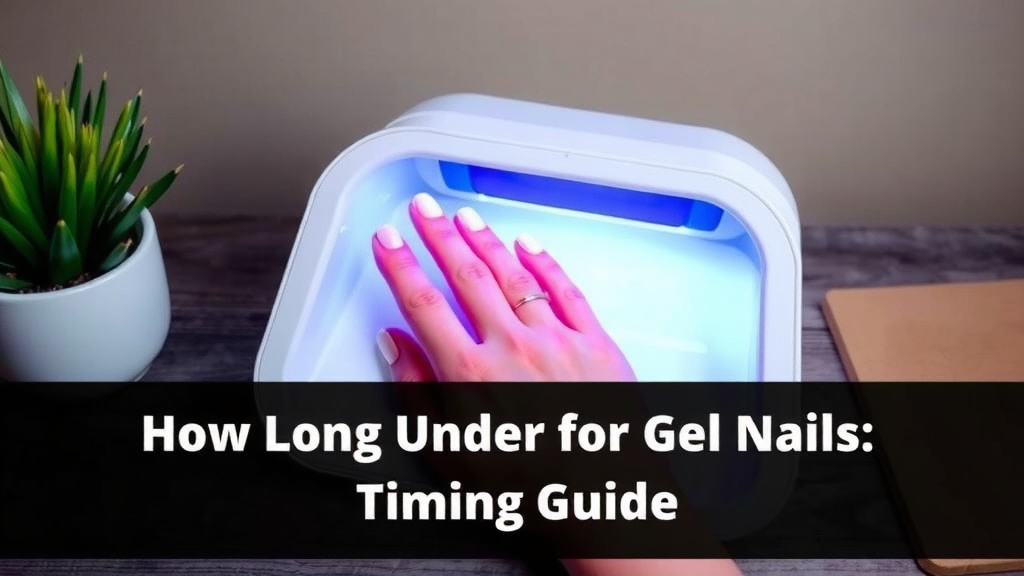
Most gel nails need 30 to 60 seconds under a UV lamp per coat. If you’re using an LED lamp, you’re in luck — those typically cure gel polish in just 30 seconds per layer. Standard UV lamps take closer to 2 minutes per coat, so patience is part of the deal.
Here’s the thing, though: curing time isn’t one-size-fits-all. It depends on your lamp type, the brand of gel polish you’re using, and whether you’re working on a base coat, color coat, or top coat. We found that most at-home gel mishaps (think smudges and peeling) happen because the nails simply didn’t cure long enough. Who knew sitting still could be so important?
- LED lamps: about 30 seconds per coat
- UV lamps: about 2 minutes per coat
- Base and top coats often need a little extra time
- Thick coats take longer to cure — thin layers win every time
- Check your polish label — the brand’s instructions always come first
Still unsure which timing applies to your setup? Don’t worry — we’ve got you. Below, we break down everything you need to know about gel nail curing times, lamp differences, and how to tell when your nails are perfectly done. If you’re curious what’s happening under that light, our guide to how nail lamps cure gel polish covers the science.
Curing Times for Gel Nails Under a UV Lamp
Most gel polish needs 2 minutes per coat under a standard UV lamp, though some formulas ask for a bit less. The exact number depends on your lamp’s wattage and the polish brand, so your bottle’s label is your best friend here.
Think of curing like baking cookies. Pull them out too soon and they fall apart. The same goes for gel — under-cured polish is the number one reason manicures peel within days. We found that following the time on the bottle, not your gut feeling, makes all the difference.
Why Cure Times Vary So Much
Not all gels are created equal. Some polishes use photoinitiators that react quickly to UV light, while others need longer exposure. Add in lamp wattage — a 48-watt lamp cures faster than a 24-watt one — and timing gets personal fast.
Many experts say the safest rule is simple: match your polish to your lamp. If the bottle says “cure 60 seconds in LED or 2 minutes in UV,” believe it. The brand tested that formula, and they know what works.
Base Coat, Color, and Top Coat Timing
Each layer plays by its own rules. Here’s a quick breakdown we put together from common brand guidelines:
- Base coat: 30 to 60 seconds in an LED lamp, or up to 2 minutes in UV
- Color coat: 30 to 60 seconds per thin layer in LED, 2 minutes in UV
- Top coat: usually the longest, often 60 seconds in LED or 2 full minutes in UV
Most manicures need two color coats, so a full set can take 10 to 15 minutes of lamp time total. It sounds long, but that sitting-still time is what gives gel its famous two-week wear.
UV Lamp vs. LED Lamp: What’s the Real Difference?
Both lamps harden gel polish. The difference is the type of light they emit and how fast your polish responds to it. LED lamps emit a narrower wavelength that most modern gels love, so they cure in about a quarter of the time.
How Each Lamp Actually Works
Old-school UV lamps emit a broader spectrum of ultraviolet light. They cure almost any gel formula, but slowly — usually 2 minutes per coat. LED lamps zoom in on a narrower wavelength (around 405 nanometers) that newer gels are designed to grab onto quickly.
Here’s the catch: not every gel polish works with LED. Some older or specialty formulas only fully cure under a traditional UV lamp. If your nails stay tacky forever under LED, your polish might be the stubborn type.
Which Lamp Should You Buy?
For most at-home users, we found that an LED lamp is the easier pick. It’s faster, and faster means less chance of smudging a nearly-dry nail because you got distracted by your phone. (We’ve all been there.) For help choosing, our guide to the best at-home LED nail lamps compares curing speed and timer options.
That said, check your polish first. Many brands list a lamp compatibility symbol right on the bottle. If your favorite gel says “UV/LED,” you’re free to choose either one.
Following Your Gel Polish Brand’s Instructions
Your polish label beats every general rule, including ours. Brands formulate their gels with specific cure times, and straying from them is how manicures go wrong. When in doubt, the label wins.
Reading the Label the Right Way
Look for three things on the bottle or box: the recommended cure time, the lamp type (UV, LED, or both), and the number of coats suggested. Some brands even list times per wattage, which is gold if you know your lamp’s power.
What If There Are No Instructions?
Then start conservative. Cure for the full 2 minutes under UV and check the result. You can always add time, but you can’t undo a smudged, half-cured coat. When information is missing, more light beats less.
Signs Your Gel Nails Are Fully Cured
Fully cured gel feels hard and smooth, like glass. If your nail dents, dents your fingerprint into it, or leaves polish on a fingertip tap, it needs more time under the lamp. Trust your fingertips — they’re built-in quality testers.
That Sticky Layer Isn’t a Mistake
Here’s something that trips up beginners: a slightly tacky or sticky film after curing is often normal. It’s called the inhibition layer, and it’s leftover uncured surface gel that the top coat is designed to bond with.
Don’t wipe it off unless your brand says to. Some top coats need that layer to grip. Others come with a cleanser that removes it after the final cure — just follow your kit’s lead.
Common Curing Mistakes (And a Quick Checklist)
Most gel disasters come from a handful of repeat offenses. Before your next manicure, run through this checklist we put together:
- Apply thin coats — thick blobs never cure all the way through
- Cure each layer immediately after applying it
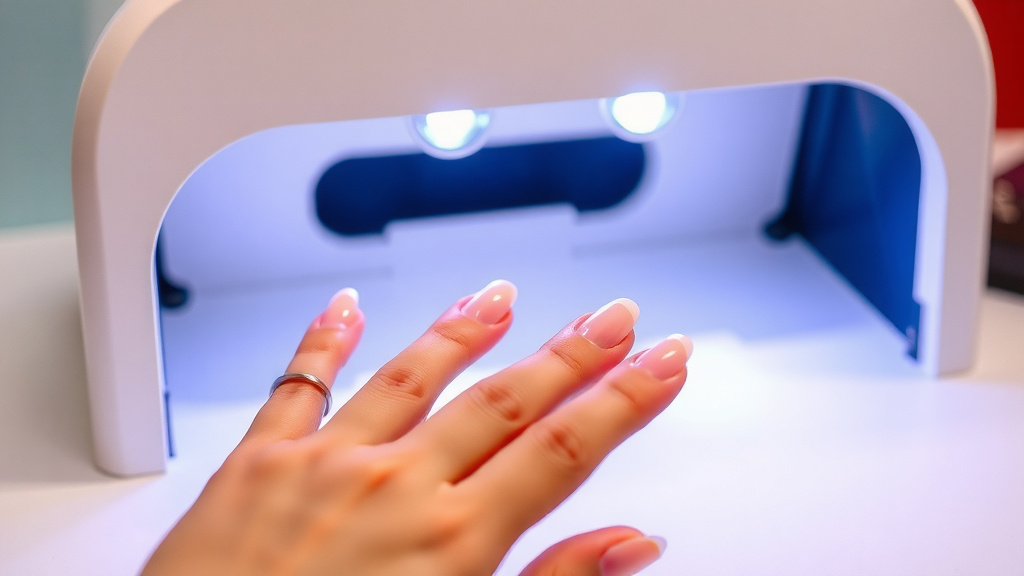
- Position all five fingers fully inside the lamp, thumb included
- Replace old bulbs or check lamp wattage every so often
- Cap the free edge of each nail to seal the tip
- Wipe or not wipe the sticky layer, per your brand’s directions
Why Thick Coats Ruin Everything
UV light only penetrates so far. Pile on a chunky layer and the top cures while the bottom stays soft — like a toasted marshmallow with a raw center. Three thin coats beat one thick one every single time.
Using UV Lamps Safely
UV nail lamps emit low levels of UVA radiation. The FDA has reviewed these devices and considers them low risk when used as directed, but a little common sense goes a long way.
Easy Ways to Protect Your Skin
Many dermatologists suggest applying
You can also limit exposure by keeping sessions to the recommended times only. There’s no bonus prize for extra minutes under the lamp — just extra light your skin didn’t need.
Your Quick Gel Cure-Time Cheat Sheet
Short on time? Here’s the whole article in one tidy table:
| Coat Type | LED Lamp | UV Lamp |
|---|---|---|
| Base coat | 30 seconds | 2 minutes |
| First color coat | 30–60 seconds | 2 minutes |
| Second color coat | 30–60 seconds | 2 minutes |
| Top coat | 60 seconds | 2 minutes |
When your brand’s label disagrees with this table, follow the label. It knows its own formula better than any cheat sheet ever will.
Conclusion
You made it to the end, and here’s the honest bottom line: your polish bottle is smarter than any internet rule. Most gels need 2 minutes per coat under a UV lamp or 30 seconds under LED, but the label always gets the final say. We researched the common mistakes, and almost every peeling, smudged manicure traces back to rushing the cure or piling on thick coats. Thin layers, a working lamp, and a timer that actually gets used will get you that shiny, two-week wear you’re after. So before your next mani, grab your gel bottle, check its exact cure time, and match it to your lamp. Your nails will thank you for the extra minute.
Frequently Asked Questions
Can I cure gel nails without a UV lamp?
Sadly, no. Gel polish contains photoinitiators that only harden when exposed to UV or LED light. Air-drying won’t work, and the polish will stay goopy for hours. If you want a no-lamp option, look for “air-dry gel-like” polishes instead.
What happens if I leave my nails under the lamp too long?
Good news here: a few extra minutes usually won’t ruin your manicure. Over-curing can make gel slightly brittle over time, so there’s no reason to camp out under the lamp. Just stick to the recommended time and let your skin rest between coats.
Why does my gel polish burn or get hot under the lamp?
That heat spike happens when the gel cures quickly and releases warmth. It’s common with thicker coats or fast-curing formulas. If it stings, pull your hand out for a few seconds, then slide it back in. Thinner coats help prevent the burn entirely.
How do I know if my UV lamp is still working properly?
We found that aging bulbs are a sneaky culprit behind sticky, under-cured nails. If your manicures suddenly take longer to harden, your lamp may be losing power. Check for dim or flickering bulbs, and replace them roughly every few months if you’re a frequent user.
Can I cure gel nails on my toes the same way?
You sure can. The same cure times apply to pedicures, but toes need extra care fitting into smaller lamps. Make sure each nail sits fully under the light, and check the big toes at the end since they’re the easiest to miss.