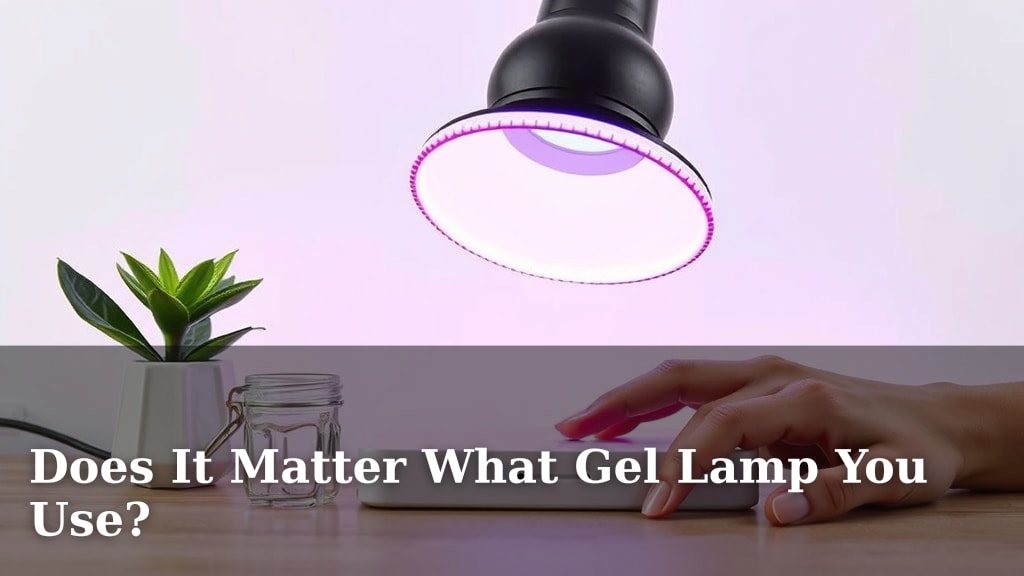
Does It Matter What Gel Lamp You Use?
Yes, it absolutely matters which gel lamp you use for your manicure. The right lamp ensures your gel polish cures properly, leading to a longer-lasting, chip-free finish. Using the wrong type or a weak lamp can leave your nails sticky and prone to lifting.
We found that different types of gel lamps, like UV and LED, have varying curing times and strengths. It’s important to match your lamp to the specific gel polish you’re using. A powerful, reliable lamp is a key investment for achieving salon-quality results at home.
- Your gel lamp choice affects how well your polish cures.
- Different lamps (UV vs. LED) have different strengths.
- Matching the lamp to your polish is essential.
- A good lamp leads to a durable, beautiful manicure.
Let’s dive into what makes a gel lamp work and why picking the right one is so important for your gorgeous nails.
Picking Your Perfect Gel Lamp: Why It Matters
So, does it really matter what kind of gel lamp you choose for your manicures? The short answer is a resounding yes! Think of your gel polish like a tiny artist needing the right tools to create a masterpiece. Your gel lamp is that essential tool. If it’s not quite right, your polish might not cure properly. This can lead to a sticky, frustrating finish that lifts or chips way too soon.
We’ve looked into it, and the type and power of your lamp directly impact the final outcome. Using a lamp that’s too weak or not suited for your specific gel polish is like trying to bake a cake in a lukewarm oven – it just won’t turn out as intended. A good quality lamp is an investment in beautiful, long-lasting nails.
Understanding Gel Lamp Technology: UV vs. LED
The main players in the gel lamp world are UV and LED lamps. They might look similar, but they work quite differently. Knowing the difference helps you make the best choice for your needs. Many salons and home users alike are making the switch to LED, and for good reasons.
The Basics of UV Lamps
UV lamps have been around for a while. They use ultraviolet bulbs to cure gel polish. These bulbs emit a broad spectrum of UV light. This light causes a chemical reaction in the gel polish, making it harden or “cure.”
UV Lamp Characteristics
UV lamps are generally less expensive upfront. They can cure almost any type of gel polish because they emit a wide range of UV rays. However, they have a longer curing time. This can range from 2 to 5 minutes per coat. The bulbs also need to be replaced periodically, usually every few thousand hours of use.
The Rise of LED Lamps
LED lamps use light-emitting diodes. These diodes are more energy-efficient and emit a specific wavelength of UV light. This wavelength is optimized for curing modern gel polishes. Many experts find LED lamps to be faster and more effective for most common gel formulas.
LED Lamp Advantages
LED lamps cure gels much faster, often in 30 seconds to 2 minutes per coat. They don’t require bulb replacement like UV lamps. They also tend to use less electricity. Many users report that LED lamps provide a more consistent cure. This helps prevent common issues like uncured polish.
Why Lamp Power and Wattage Matter
Beyond just UV or LED, the power output of your lamp is a critical factor. Wattage is often used as a general indicator of a lamp’s strength. Higher wattage typically means a more powerful lamp.
Finding the Right Wattage for Your Needs
For most standard gel polishes, an LED lamp between 36W and 60W is usually sufficient for home use. UV lamps might have higher wattage numbers, but it doesn’t always translate directly to curing speed or efficiency compared to LED. It’s like comparing apples and oranges sometimes.
What Happens with a Weak Lamp?
A lamp that isn’t powerful enough won’t fully cure the gel. This results in a sticky surface that easily smudges. It can also lead to lifting and peeling of the polish much sooner than you’d expect. Your manicure might look okay initially, but it won’t have the durability you’re hoping for.
When More Power Might Be Better
Some professional-grade gel polishes, especially those with thicker formulas or unique curing requirements, might benefit from a higher-wattage lamp. If you’re unsure, always check the gel polish manufacturer’s recommendations. They often specify the ideal lamp type and wattage.
Matching Your Lamp to Your Gel Polish: A Compatibility Check
This is where things get really interesting. Not all gel polishes are created equal, and neither are all lamps. You need to ensure they’re a good match for the best results.
Understanding Gel Polish Formulations
Different brands and types of gel polish are formulated to cure under specific UV wavelengths. While most modern gels work well with LED, some older or specialized formulas might still require a UV lamp. Many nail technicians say that checking the product label is the first step.
The Importance of Curing Time
Gel polishes list recommended curing times. These are based on the assumption you’re using a lamp of a certain strength and type. If your lamp cures too quickly or too slowly, you’ll run into problems. Too fast can lead to wrinkles; too slow results in stickiness.
What If Your Lamp and Polish Don’t Match?
If you use a UV lamp with a polish designed only for LED, or vice-versa, the cure might be incomplete. This is a common reason for premature nail failure. It’s like trying to use a square peg in a round hole – it just doesn’t fit. We found many reports of gel polish failure when this step is overlooked.

Key Features to Look For in a Gel Lamp
When you’re shopping, keep these features in mind to ensure you’re getting a lamp that will serve you well.
- Wattage: Aim for 36W or higher for efficient curing.
- Timer Settings: Preset timers (30s, 60s, 90s) make the process easy.
- Sensor Activation: An automatic sensor turns the lamp on when you insert your hand.
- Adjustable Settings: Some lamps offer low-heat modes, which is great for sensitive nails.
- Size and Portability: Consider if you need a large salon-style lamp or a smaller, travel-friendly one.
The Cost Factor: Investing in Quality
Gel lamps range in price from very affordable to quite expensive. While it’s tempting to grab the cheapest option, think of it as an investment. A slightly more expensive, higher-quality lamp can save you money and frustration in the long run.
Budget-Friendly Options
You can find decent LED lamps for under $50 that work well for home use. These often have standard timer settings and sufficient wattage for most basic gel polishes. Many brands offer reliable entry-level models.
Professional-Grade Lamps
Higher-end lamps can cost $100 or more. They often feature more advanced technology, better durability, and faster curing times. These are typically designed for salon environments where speed and consistency are highly important.
Making the Right Choice for Your Manicure Success
Choosing the right gel lamp boils down to a few key considerations. It’s not just about aesthetics; it’s about the science behind curing gel polish.
Quick Checklist for Your Lamp Purchase:
- Does it use LED or UV technology? (LED is usually preferred for speed and efficiency.)
- What is the wattage? (36W+ is a good starting point.)
- Does it have a timer? (Essential for correct curing times.)
- Does the gel polish brand recommend a specific type or wattage?
- Is it from a reputable brand?
By paying attention to these details, you’re setting yourself up for salon-quality gel manicures at home. A properly cured gel polish means a beautiful, durable finish that lasts. Don’t underestimate the power of the right lamp in your nail care arsenal!
Conclusion
You’ve learned that your gel lamp choice is more than just a tool; it’s a critical component for achieving flawless gel manicures. We found that both UV and LED lamps have their place, but understanding their differences and matching your lamp’s power to your gel polish is key. A properly cured gel polish means beautiful nails that resist chipping and lifting, giving you that salon-quality look you desire.
To ensure your next manicure is a success, take a moment to check your gel polish’s instructions and choose a lamp that meets its curing needs. Invest wisely, and enjoy your long-lasting, gorgeous nails!
Frequently Asked Questions
Can I use any gel polish with my existing lamp?
Not always. Different gel polishes are formulated for specific UV wavelengths. While most modern gels work with LED, some older or specialized formulas might require a UV lamp. Always check the polish manufacturer’s recommendations for the best results.
What happens if my gel lamp is too weak?
A weak lamp won’t cure the gel polish completely. This often results in a sticky surface that smudges easily. It can also lead to premature lifting and peeling of your manicure, making it less durable.
Is an LED lamp always better than a UV lamp?
LED lamps are generally preferred for their speed, energy efficiency, and longer lifespan without bulb replacement. However, some specific gel formulas might still perform best under a UV lamp. For most at-home users, an LED lamp is a reliable and efficient choice.
How do I know what wattage gel lamp I need?
For most standard gel polishes, an LED lamp between 36W and 60W is usually sufficient for home use. Higher wattage generally means a more powerful lamp, but always refer to your specific gel polish brand’s guidelines for the recommended wattage.
How can I tell if my gel polish is fully cured?
Fully cured gel polish should feel hard and dry to the touch, with no stickiness on the surface. If it still feels tacky after the recommended curing time, it may not be fully cured. This could indicate an issue with your lamp’s power or compatibility with the polish.
![10 Best Bedside Lamp With Phone Charger [2026]](https://bestdesklamp.com/wp-content/uploads/2026/08/10-best-bedside-lamp-with-phone-charger-2026-featured-768x432.jpg)
![10 Best Daylight Therapy Lamp [2026]](https://bestdesklamp.com/wp-content/uploads/2026/09/10-best-daylight-therapy-lamp-2026-featured-768x432.jpg)
![10 Best Desk Lamp For Architect [2026]](https://bestdesklamp.com/wp-content/uploads/2026/09/10-best-desk-lamp-for-architect-2026-featured-768x432.jpg)