How LED Nail Lamps Work: A UV-Free Curing Guide
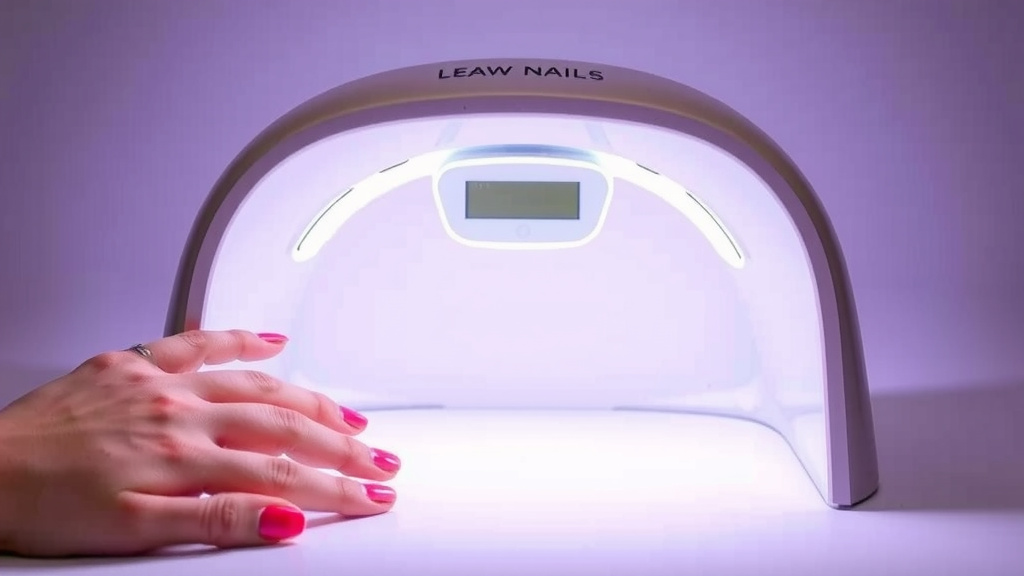
LED nail lamps work by using light-emitting diodes (LEDs) to emit a specific wavelength of ultraviolet (UV) light. This light causes your gel nail polish to cure, meaning it hardens and dries into a durable finish. It’s a pretty quick and effective process for achieving salon-quality nails at home.
Unlike older UV lamps, LED lamps are more energy-efficient and emit less heat, making them a safer and more comfortable option. The technology has advanced, allowing for faster curing times and longer-lasting gel manicures. You’ll notice the difference almost immediately when you switch to an LED lamp.
- LED lamps use specific UV light wavelengths.
- This light cures gel polish, making it harden.
- They are faster and more energy-efficient than older lamps.
- LEDs generate less heat for a more comfortable experience.
- This technology leads to durable, long-lasting gel manicures.
Let’s walk through exactly how this modern nail magic happens, so you can get the most out of your LED lamp.
“`htmlUnderstanding How LED Nail Lamps Work
LED nail lamps use light-emitting diodes, or LEDs, to cure your gel nail polish. This process hardens the polish into a durable finish. It’s a pretty straightforward scientific principle at play.
The Core Technology: Light-Emitting Diodes
At the heart of your LED nail lamp are tiny semiconductor devices called LEDs. These little powerhouses are designed to emit light when an electric current passes through them. What makes them special for nail lamps is their ability to emit a very specific wavelength of light. This is key to how they interact with gel polish.
What Wavelengths Are We Talking About?
Gel nail polishes are formulated with photoinitiators. These are special ingredients that react when exposed to UV light. Standard LED nail lamps typically emit light in the UV-A spectrum. This range is usually between 365 and 405 nanometers (nm). This specific range is crucial for the curing process.
The Curing Process: A Chemical Reaction
When you place your hand under the LED lamp, the UV light waves penetrate the gel polish. This light energy activates the photoinitiators within the polish. Think of them as little spark plugs. The activated photoinitiators then start a chain reaction. This reaction is called polymerization.
What is Polymerization?
Polymerization is essentially a chemical process. It causes small molecules (monomers) in the gel polish to link together. They form long, strong chains (polymers). This linking process is what transforms the wet, gooey polish into a solid, hardened layer. It’s like building a tiny, strong mesh across your nail.
Why Specific Wavelengths Matter
Not just any light will cure gel polish. The wavelengths emitted by the LEDs in your lamp must match the photoinitiators in the polish. If the wavelength is too short or too long, the photoinitiators won’t activate properly. This means the polish won’t cure fully. You might end up with sticky or chipped nails.
Comparing LED to Traditional UV Lamps
Older gel polish curing systems used traditional UV bulbs. These bulbs emitted a broader spectrum of UV light. While they worked, they generated more heat and were less energy-efficient. Many experts found that LED lamps offer a more targeted approach. They cure gel polish faster and more reliably. Research from sources like the American Academy of Dermatology suggests UV exposure should always be managed, and LED lamps offer a more controlled application.
The Benefits of Using an LED Lamp
You might be wondering why LED lamps have become so popular. Beyond just curing your polish, they offer several advantages that make your at-home manicures easier and more enjoyable.
Speed and Efficiency
One of the biggest wins with LED lamps is speed. Because they emit a concentrated wavelength of light, they cure gel polish much faster. A full set of nails might only need 30-60 seconds per coat. This is significantly quicker than the several minutes traditional UV lamps required. This means less waiting time for you.
Energy Savings and Longevity
LEDs are incredibly energy-efficient. They use much less power than traditional UV bulbs. They also tend to last much longer. You won’t have to worry about replacing bulbs frequently. This makes them a more cost-effective choice over time. Many manufacturers suggest LED bulbs can last for tens of thousands of hours.
Reduced Heat and Increased Comfort
A common complaint with older UV lamps was the heat generated. Some people experienced a warming or even burning sensation during curing. LED lamps emit very little heat. This provides a much more comfortable curing experience for your hands and nails. You’re less likely to feel that uncomfortable “heat spike.”
Are LED Nail Lamps Safe?
Safety is always a concern when UV light is involved. However, reputable sources like the Skin Cancer Foundation indicate that the short duration and specific wavelengths used in LED nail lamps pose minimal risk. The UV exposure is brief, and the light is focused directly on the nails. Still, it’s wise to use them as directed. Some people choose to apply sunscreen to their hands before a gel manicure as an extra precaution. Many lamp manufacturers also include timers to help prevent overexposure.
How to Get the Best Results from Your LED Lamp
To ensure your gel polish cures perfectly every time, there are a few simple best practices. Following these tips will help you achieve that salon-quality finish at home.
- Ensure proper placement: Make sure all nails are evenly positioned under the lights.
- Follow polish instructions: Different gel polish brands may have slightly different curing times.
- Use the timer: Always use the built-in timer for precise curing.
- Apply thin coats: Thicker coats can prevent even curing.
- Don’t touch wet polish: Wait for nails to fully cure before removing your hand.
Conclusion
You’ve learned how your LED nail lamp uses specific UV-A light wavelengths to cure gel polish. This process activates photoinitiators for polymerization, hardening your nails. It’s a fast, energy-efficient, and comfortable way to get professional results at home. By understanding this technology, you can achieve a durable, salon-quality gel manicure every time. Now you’re equipped to get the best out of your LED lamp!
Frequently Asked Questions
Can any gel polish be cured under an LED lamp?
Generally, yes, but it’s always best to check. Most gel polishes are formulated with photoinitiators that react to the 365-405 nm wavelength emitted by LED lamps. Some older or specialized formulas might still require a traditional UV lamp.
How long should I cure my nails with an LED lamp?
Curing times vary by polish brand and lamp wattage, but typically range from 30 to 60 seconds per coat. Always follow the specific instructions provided by your gel polish manufacturer for the best results.
Will using an LED nail lamp cause skin damage?
Reputable sources suggest the risk is minimal due to the short duration and focused wavelengths. However, to be extra cautious, you can apply sunscreen to your hands before your manicure or wear UV-protective gloves.
Why does my gel polish still feel sticky after curing?
A slight tackiness after curing is normal for many gel polishes; it’s called the “inhibition layer” and helps the next coat adhere. If it feels excessively wet or gooey, it might indicate under-curing or that the polish is not compatible with your lamp’s wavelength.
How long do LED nail lamps typically last?
LED bulbs are known for their longevity. Many lamps are designed to last for tens of thousands of hours, meaning you likely won’t need to replace the bulbs for many years with regular home use.
![10 Best Cheap Uv Lamp For Nails [2026]](https://bestdesklamp.com/wp-content/uploads/2026/08/10-best-cheap-uv-lamp-for-nails-2026-featured-768x432.jpg)
![10 Best Design Desk Lamp [2026]](https://bestdesklamp.com/wp-content/uploads/2026/09/10-best-design-desk-lamp-2026-featured-768x432.jpg)
![10 Best Bright Lamps [2026]](https://bestdesklamp.com/wp-content/uploads/2026/08/10-best-bright-lamps-2026-featured-768x432.jpg)
![10 Best Budget Sad Lamp [2026]](https://bestdesklamp.com/wp-content/uploads/2026/08/10-best-budget-sad-lamp-2026-featured-768x432.jpg)
![10 Best Bubble Lamp [2026]](https://bestdesklamp.com/wp-content/uploads/2026/08/10-best-bubble-lamp-2026-featured-768x432.jpg)