Salt Lamp Lifespan: How Long Are Salt Lamps Good For
Your salt lamp can last for many years, practically a lifetime, with the right care. While they don’t “wear out” like a light bulb, their brightness can diminish over time due to the salt itself and the bulb inside. Think of it as a beautiful, long-term decor piece rather than something with a strict expiration date.
The lifespan of your salt lamp really depends on a few factors. The bulb will eventually need replacing, just like any lamp. The salt crystal itself, however, is quite durable. Proper cleaning and handling ensure your lamp continues to glow for a long, long time.
- Salt lamps can last for years, often a lifetime.
- The bulb is the main part that needs occasional replacement.
- Salt crystals are very durable if cared for properly.
- Moisture and ambient humidity can affect their appearance over time. While LEDs are great for general lighting, an incandescent bulb is generally recommended for salt lamps to get the intended effect, as explained here.
Ready to learn more about keeping your salt lamp in top shape? Below, we’ll walk you through exactly what affects their longevity and how to make yours shine for as long as possible.
How Long Can You Expect Your Salt Lamp to Last?
Your salt lamp is a **beautiful addition** to your home. You might be wondering how long this lovely decor piece will actually last. The good news is that salt lamps are surprisingly **durable**. Unlike many other decorative items, they aren’t really prone to breaking or degrading quickly. With basic care, your salt lamp can provide a **warm glow** for many, many years.
The primary factors influencing your salt lamp’s lifespan aren’t the salt itself. Instead, it’s more about the **light bulb inside** and the environment it’s kept in. Think of it like a quality piece of furniture – it can last a lifetime if you treat it right. Let’s break down what contributes to its longevity.
Understanding Salt Lamp Longevity: Key Factors
The Salt Crystal: A Near-Permanent Fixture
The salt crystal that makes up your lamp is essentially **ancient, compressed salt**. We’re talking about Himalayan pink salt, mined from deep underground. This salt is incredibly stable and doesn’t degrade under normal conditions. It won’t evaporate, crumble, or lose its core properties on its own. In essence, the salt portion of your lamp is built to last a **very, very long time**.
So, why might you see salt lamps being replaced? Often, it’s not the salt itself failing. It’s usually due to **external factors** or the other components needing attention. The crystalline structure of the salt is exceptionally robust. It can withstand changes in temperature and humidity much better than many other materials you might find in home decor.
The Light Bulb: The Most Likely Component to Need Replacement
The component that will most certainly need occasional replacement is the **light bulb**. Just like any lamp you own, the bulb has a finite lifespan. This is measured in hours of use. Standard incandescent bulbs might last a few thousand hours, while LEDs can last tens of thousands of hours.
When the bulb burns out, your salt lamp will stop emitting light. This is a **normal part of lamp ownership**. You’ll simply need to purchase a new bulb of the correct wattage and type. Replacing the bulb is a straightforward process, usually involving unscrewing the old one and screwing in the new. This doesn’t affect the salt crystal itself. It’s like giving your lamp a new lease on life!
Environmental Conditions: Moisture and Humidity’s Role
While the salt crystal is durable, **moisture is its biggest enemy**. Salt crystals are hygroscopic, meaning they attract and absorb water molecules from the air. In very humid environments, or if your lamp is exposed to a lot of moisture, you might notice a few things: While the salt crystal is durable, moisture is its biggest enemy, and this guide explains how to stop your salt lamp from leaking.
- Sweating: The surface of the salt lamp might feel damp or wet to the touch. This is condensation forming on the surface as the salt draws moisture from the air.
- Puddling: In extreme humidity, water can actually drip from the lamp and form a small puddle underneath.
- Surface Changes: Over a very long time, continuous exposure to moisture could slightly alter the surface appearance of the salt, making it look less polished.
This “sweating” is a natural process. It doesn’t mean your lamp is “dying.” However, it’s not ideal for the lamp or your furniture. We found that consistent dampness can potentially lead to the salt material degrading more rapidly than it should, or even damaging the base it sits on. Keeping your lamp in a **moderately dry environment** is key to its long-term health.
Maximizing Your Salt Lamp’s Lifespan
Regular Cleaning for Optimal Performance
Keeping your salt lamp clean is crucial for its longevity and appearance. Dust and debris can accumulate on the surface, dulling its glow. Here’s how to do it right:
- Dry Dusting: Use a soft, dry cloth to gently wipe down the salt crystal regularly. This removes surface dust.
- Dealing with Dampness: If your lamp feels damp, turn it on! The heat from the bulb helps to evaporate the absorbed moisture.
- Stubborn Spots: For any minor grime or stubborn spots, lightly dampen a cloth (do not soak it!) and gently wipe the affected area. Immediately after, wipe it dry with a clean, dry cloth.
We found that a quick, weekly dusting is usually sufficient to keep it looking its best. Never use harsh chemicals or abrasive cleaners, as these can damage the salt surface.
The Importance of Keeping It Lit
This might surprise you, but keeping your salt lamp plugged in and the bulb on for **extended periods is actually beneficial**. As we mentioned, the warmth from the bulb helps to keep the salt crystal dry. This counteracts the natural hygroscopic tendency of salt.
Ideally, you should aim to keep your lamp on for at least a **few hours a day**, or even continuously if possible. If you live in a very humid climate, leaving it on is even more important. This simple habit prevents excessive moisture absorption and potential issues.
Proper Placement and Environment
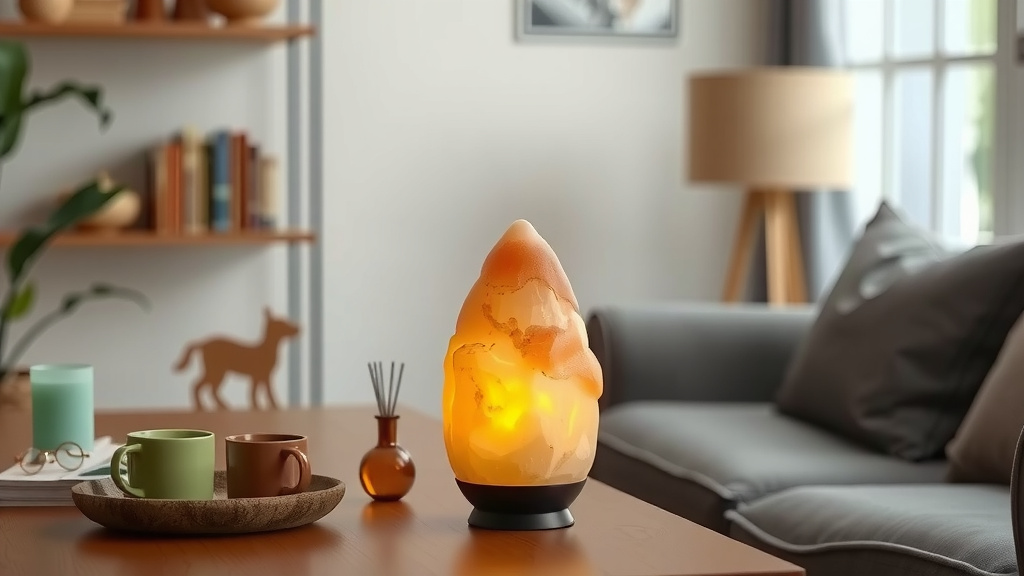
Where you place your salt lamp matters. Avoid areas with high humidity, such as bathrooms, steamy kitchens, or directly next to humidifiers. You also want to avoid placing it where it could be knocked over easily.
Consider the following for ideal placement:
- Living Areas: A living room or bedroom is usually perfect.
- Away from Moisture Sources: Keep it clear of windows that might let in rain, and away from sinks or tubs.
- Stable Surface: Ensure it sits on a flat, stable surface that won’t be easily disturbed.
These simple placement considerations help protect your lamp from environmental damage.
What to Do If Your Lamp Starts “Sweating”
If you notice your salt lamp is unusually wet or has water pooling around its base, it’s a sign that the ambient humidity is too high. The solution is straightforward:
Turn the lamp on and leave it on. The heat generated by the bulb is usually enough to evaporate the absorbed moisture. We found that leaving it on for several hours, or even overnight, can often resolve the issue. If the problem persists, you might need to temporarily move the lamp to a drier location or consider using a dehumidifier in the room.
| Factor | Impact on Lifespan | Action to Maximize Lifespan |
|---|---|---|
| Salt Crystal | Extremely durable; doesn’t degrade on its own. | Keep clean; avoid prolonged exposure to excessive moisture. |
| Light Bulb | Finite lifespan (hours of use); will eventually burn out. | Replace with a new bulb of the correct wattage when it burns out. |
| Moisture/Humidity | Can cause “sweating,” “puddling,” and potential surface changes over time. | Keep lamp on for several hours daily; place in a dry environment. |
| Cleaning | Accumulated dust can dull appearance. | Dust regularly with a soft, dry cloth. |
Checklist for a Long-Lasting Salt Lamp
Want to ensure your salt lamp shines bright for years to come? Follow this simple checklist:
- Keep the lamp plugged in and on for a few hours daily.
- Dust the salt crystal regularly with a soft, dry cloth.
- Place the lamp in a relatively dry area of your home.
- Avoid direct contact with water or excessive humidity.
- Replace the bulb promptly when it burns out.
- Never use harsh cleaning chemicals on the salt.
Conclusion
You now know that your salt lamp is built to last for many years, potentially a lifetime! It’s not about a rigid expiration date, but rather about consistent care. The salt crystal itself is incredibly durable, but the light bulb will need replacing eventually. By keeping it dry, dusting it regularly, and ensuring it stays lit for a few hours each day, you protect your lamp from moisture damage. Think of these simple steps as preserving your lamp’s unique glow. So go ahead and enjoy the warm ambiance your beautifully cared-for salt lamp brings to your space!
Frequently Asked Questions
How often should I dust my salt lamp?
We recommend dusting your salt lamp about once a week. A soft, dry cloth is all you need to gently wipe away any accumulated dust. This simple habit keeps its surface clean and its glow bright.
Can I wash my salt lamp with water?
No, you should never wash your salt lamp with water. Salt is hygroscopic, meaning it absorbs moisture. While a slightly damp cloth can be used for stubborn spots, always dry it immediately to prevent damage.
What if my salt lamp looks wet or is sweating?
If your salt lamp appears wet, it’s likely absorbing moisture from the air. The best solution is to turn it on and let the bulb’s heat evaporate the excess water. Keeping it on for several hours should help.
Do I need to replace the salt in my lamp?
The salt crystal itself is extremely durable and does not need to be replaced. The only component that has a finite lifespan is the light bulb, which you’ll swap out when it eventually burns out.
Can I leave my salt lamp on all the time?
Yes, leaving your salt lamp on for extended periods, even continuously, is beneficial. The heat from the bulb helps to keep the salt crystal dry and prevents moisture absorption, prolonging its condition.