How Pink Himalayan Salt Lamps Work: The Science Explained
Pink Himalayan salt lamps work by using a light bulb to heat a chunk of salt. This process is believed to release negative ions into the air. Many people find the warm, ambient glow quite calming.
These lamps are made from natural salt crystals mined in Pakistan. The idea behind their popularity is that they mimic the air quality found near natural salt caves. Some suggest this can help clean the air and improve your mood.
- Pink salt lamps use heat from a bulb.
- This heat releases negative ions.
- They are thought to purify the air.
- The gentle light creates a relaxing vibe.
Let’s walk through exactly how these unique lamps are thought to work, step by step.
Understanding How Himalayan Salt Lamps Work
So, you’ve got a beautiful pink Himalayan salt lamp. You’re probably wondering, how does this pretty thing actually work? It’s simpler than you might think! A salt lamp relies on a basic principle: **heat interacting with salt** to create an effect. We found the process is quite straightforward and relies on a few key components.
The core idea is that the heat from a light bulb inside the salt crystal causes changes. These changes are thought to influence the air around it. Let’s break down the journey from a simple bulb to the calming glow and potential air benefits you might experience.
The Science Behind the Glow and Ions
You’re probably curious about the science, right? It all starts with a common household item: a **light bulb**. This bulb isn’t just for light; it’s the engine driving the whole process. When you turn on your salt lamp, the bulb heats up. This heat is transferred to the surrounding pink Himalayan salt.
Heat and Hygroscopy: The Salt’s Role
Pink Himalayan salt is known for a property called **hygroscopy**. What does that mean? It means the salt naturally attracts and holds water molecules from the air. Think of it like a tiny sponge, but for water vapor. When the lamp is on, the heat from the bulb warms the salt. This warmth helps to evaporate the moisture the salt has absorbed.
As this water evaporates, it’s believed to carry tiny particles from the air along with it. This is where the air purification idea comes in. The salt traps some of these impurities, like dust and pollen, onto its surface. When the water evaporates, those particles are thought to be left behind on the salt. Many believe this helps to **cleanse your indoor air**.
Negative Ions: The Mystery Element
Now, let’s talk about negative ions. This is where much of the perceived benefit comes from. When the salt is heated and moisture evaporates, it’s theorized that **negative ions are released** into the air. So, what are negative ions? They are oxygen atoms with an extra electron.
You might find negative ions in nature, like near waterfalls or after a thunderstorm. Many people feel a sense of well-being in these environments. The theory is that salt lamps mimic this effect. By releasing negative ions, they could potentially **neutralize positive ions**. Positive ions are often associated with pollution and allergens.
We found that research into the exact quantity and impact of these released negative ions is ongoing. While the idea is appealing, the scientific community hasn’t reached a firm consensus on the extent of this effect from a typical home salt lamp. However, the principle of evaporation and potential ion release is the core of the theory.
The Role of the Light Bulb
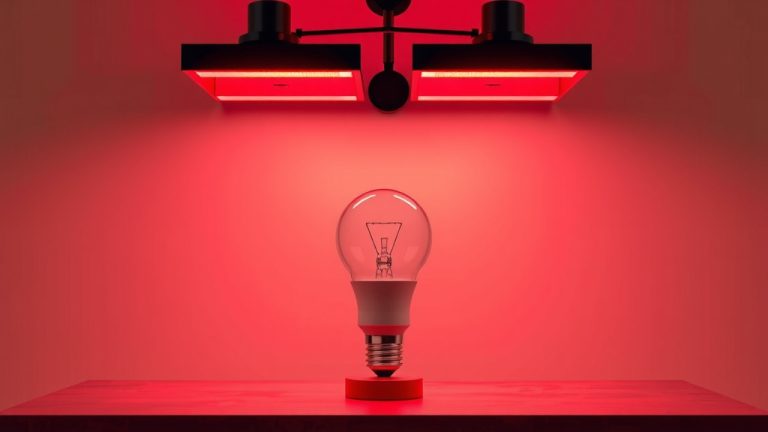
The type of light bulb used in your salt lamp matters. Most lamps use a low-wattage incandescent bulb. Why low wattage? Because you want the salt to get warm, not super hot. Too much heat can cause the salt to crack or break down too quickly. A gentle warmth is key for the hygroscopic process and the alleged ion release.
Incandescent vs. LED: What’s the Difference?
Incandescent bulbs produce more heat than LED bulbs. This makes them ideal for salt lamps where warmth is part of the function. LED bulbs are energy-efficient and last longer, but they don’t generate as much heat. If you use an LED bulb in a salt lamp, it might not get warm enough to effectively trigger the hygroscopic effect or ion release.
So, while LEDs are great for general lighting, an **incandescent bulb is generally recommended** for salt lamps to get the intended effect. You’ll usually find a small one, often around 15-25 watts, included with your lamp. This ensures the salt stays at a perfect temperature.
Craftsmanship: From Raw Salt to Lamp
These lamps aren’t just lumps of salt. They are carefully hollowed out. A hole is drilled into the bottom of a large salt crystal. This opening is designed to perfectly fit the light bulb and its socket.
Hand-Carved Beauty
Each lamp is often **hand-carved**. This means every lamp is unique! The natural variations in the salt’s color, from pale pink to deep orange, are part of their charm. Miners extract large salt blocks. Artisans then shape these blocks into lamps. They carefully remove excess salt from the inside. This creates a cavity for the light source. The outer surface is usually left a bit rough. This adds to their natural, earthy appeal.
The process ensures that the salt is thick enough to be durable. It also allows for the bulb to be safely enclosed. The result is a beautiful, functional piece of decor.
User Experience: The Calming Ambiance
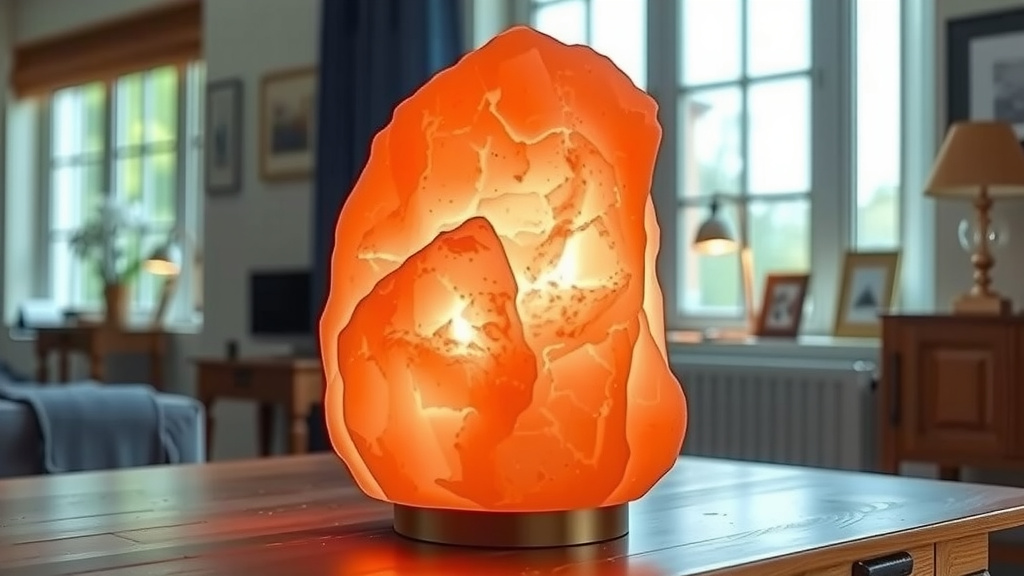
Beyond the science, let’s talk about the experience. One of the most widely appreciated aspects is the **warm, ambient glow**. The light filtering through the pink salt creates a soft, inviting atmosphere. It’s a far cry from harsh overhead lighting.
Many people place these lamps in their bedrooms, living rooms, or meditation spaces. The gentle light is perfect for winding down in the evening. It can help create a **peaceful environment**. It’s like a little piece of calm you can bring into your home.
A Touch of Natural Beauty
These lamps are more than just functional objects. They are also **decorative pieces**. Their unique colors and natural shapes add a touch of organic beauty to any room. They blend well with various decor styles. Whether your home is modern or rustic, a salt lamp can fit right in.
The natural variations mean no two lamps are exactly alike. This adds to their appeal as a unique home accessory. You’re not just buying a lamp; you’re bringing a piece of natural artistry into your space.
Putting It All Together: A Summary Checklist
So, how do these lamps work their magic? Here’s a quick rundown:
- A light bulb heats the salt crystal.
- The salt’s hygroscopic nature attracts moisture.
- Heat evaporates the moisture, potentially trapping air impurities.
- This process is theorized to release negative ions.
- The result is a warm glow and potential air benefits.
- Each lamp is carved from natural Himalayan salt.
Conclusion
You’ve learned how your pink Himalayan salt lamp works its magic. It’s a simple process combining a light bulb’s warmth with the salt’s natural properties. This interaction is thought to release negative ions and purify the air. Ultimately, the lamp provides a beautiful, calming glow for your space. Ready to enjoy your lamp’s ambiance? Make sure your bulb is the right type and consider where you’ll place it for maximum enjoyment. Enjoy the peaceful atmosphere it brings!
Frequently Asked Questions
Do Himalayan salt lamps really clean the air?
The theory is that the salt’s hygroscopic nature can attract airborne particles like dust and allergens. As the salt warms and moisture evaporates, these particles are believed to be trapped on the salt’s surface. While many users report cleaner air, research on the extent of this air-purifying effect from a single lamp is still developing.
How long does a Himalayan salt lamp last?
Your salt lamp itself can last for many years, often a decade or more, if cared for properly. The light bulb inside will need replacement periodically, similar to any other lamp. Avoid excessive moisture and physical damage to ensure your salt lamp remains a beautiful fixture in your home.
Can I leave my Himalayan salt lamp on all the time?
Yes, you can generally leave your salt lamp on continuously. Keeping it warm helps maintain its hygroscopic properties and potential air-purifying benefits. Just be sure the bulb is low-wattage and safely enclosed to prevent overheating or damage to the salt. It’s also a good idea to unplug it when you’re away for extended periods.
What’s the difference between a salt lamp and a regular lamp?
The main difference is the material and purpose. A regular lamp’s primary function is illumination. A salt lamp uses a salt crystal as its base, with a light bulb inside to generate warmth. This warmth is theorized to trigger the release of negative ions and attract moisture, offering potential benefits beyond just lighting.
Why does my salt lamp sometimes look wet or have water on it?
This is a normal sign of its hygroscopic nature. The salt crystal naturally attracts moisture from the surrounding air. When the lamp is on and warm, this absorbed moisture evaporates, potentially taking airborne impurities with it. If you turn the lamp off for a long time, you might notice condensation on the surface.