How Long Before Lava Lamp Works A Complete Guide
Your lava lamp will typically start working and you’ll see that first blob of wax begin to move in about 1 to 2 hours after you first turn it on. This warm-up time is essential for the lamp’s components to reach their optimal temperature for the wax to flow. Don’t worry if it doesn’t happen instantly; the slow, mesmerizing movement is part of its charm.
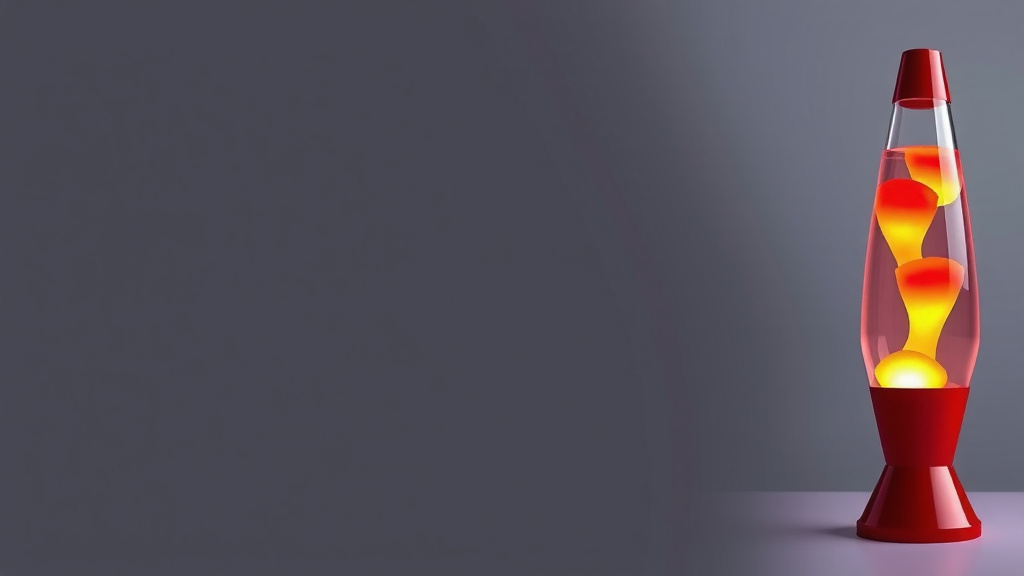
The unique motion of a lava lamp comes from the interaction between two liquids with different densities. The heat from the bulb at the base of the lamp warms up the denser colored wax. As the wax heats, it becomes less dense and begins to rise. At the top, it cools, becomes denser again, and sinks back down. This continuous cycle creates the iconic lava lamp effect that many people love.
- Lava lamps need about 1-2 hours to warm up.
- The wax needs time to heat and change density.
- This process causes the colorful blobs to rise and fall.
- Patience is key for enjoying the full lava lamp effect.
- Avoid shaking the lamp while it’s warming up.
Let’s walk through exactly why your lava lamp takes this amount of time to get going and what you can expect during that initial warm-up period.
Your Lava Lamp’s Warm-Up Journey
So, you’ve plugged in your new lava lamp, and you’re eagerly waiting for that first blob to start its dance. You might be wondering, “How long before my lava lamp actually works?” You’ll want to give it around **1 to 2 hours** for that magical movement to begin. This might seem like a while, but it’s a completely normal and necessary part of the process.
Think of your lava lamp like a slow-cooker for wax. It needs time to gently heat things up and get everything in motion. The science behind it is pretty neat, involving liquids with different densities and a bit of physics. Let’s break down why that waiting period is so important and what’s happening inside that glass vessel.
Understanding the Science Behind the Flow
At its core, a lava lamp relies on a simple scientific principle: **density changes with temperature**. You have two main components inside: a clear or colored liquid and a wax-based substance. They are carefully chosen so that at room temperature, the wax is slightly denser than the liquid.
The Role of the Heat Bulb
At the very bottom of your lava lamp sits a small incandescent light bulb. This bulb serves two purposes. First, it provides the **illumination** that makes your lamp visually appealing. Second, and more importantly for its function, it generates the **gentle heat** needed to warm the wax.
This heat is applied gradually to the bottom of the lamp. As the wax at the base absorbs this warmth, its temperature begins to rise. This is where the magic starts to happen.
How Heat Affects Wax Density
As the wax gets warmer, its molecules move around more. This increased molecular activity causes the wax to expand slightly. When a substance expands, its **density decreases**. You can think of it like heating up a metal spoon; it gets a tiny bit bigger. The same principle applies here.
The wax, which was initially denser than the surrounding liquid, becomes less dense as it heats up. It’s now lighter than the liquid around it. This change is the key to why it will eventually rise.
The Ascent of the Wax Blobs
Once the wax at the bottom becomes sufficiently less dense than the liquid, **buoyancy** takes over. The warmer, lighter wax blobs are pushed upwards by the cooler, denser liquid. They start to detach from the base and begin their slow, graceful climb towards the top of the lamp.
This is often the first sign that your lamp is starting to work. You might see a small lump detach and begin to float upwards. It’s an exciting moment after you’ve been waiting!
The Cooling and Sinking Cycle
The journey of a wax blob doesn’t end at the top. In fact, that’s just the halfway point of its mesmerizing trip.
Reaching the Cooler Environment
As the wax blob rises, it moves away from the heat source at the bottom. The upper part of the lava lamp is generally cooler. The glass walls allow heat to dissipate into the surrounding air. When the warm wax reaches this cooler region, it starts to lose its heat.
Density Reversal and The Descent
Just as heat made the wax less dense, **cooling makes it denser again**. As the wax loses heat, it contracts slightly, and its density increases. It becomes heavier than the surrounding liquid once more.
Because it’s now denser, gravity pulls it back down. The wax blob sinks back towards the bottom of the lamp, ready to be heated up and start the cycle all over again. This continuous loop of rising and falling is what creates that iconic lava lamp effect.
Factors Influencing Your Lava Lamp’s Warm-Up Time
While 1-2 hours is the general timeframe, a few things can affect precisely how long it takes for your lamp to get going.
Ambient Room Temperature
The temperature of the room where you place your lava lamp plays a role. If your room is already quite warm, the process might be slightly faster. Conversely, in a cooler room, it will likely take the full **1 to 2 hours**, or even a bit longer.
We found that placing a lava lamp in a room that’s around 70-75°F (21-24°C) provides an ideal environment for its operation.
The Specific Lava Lamp Model
Different lava lamp models have varying bulb wattages and container sizes. A lamp with a slightly higher wattage bulb might heat up a bit quicker. Similarly, the amount of liquid and wax can influence the time it takes for the heat to evenly distribute.
Manufacturers usually specify the recommended bulb type for their lamps. Using the correct bulb is crucial for proper function and safety. Always check your lamp’s manual for guidance. Using the correct bulb is crucial for proper function and safety; our guide explains the best bulb for lava lamps.
The Age of the Lamp
While lava lamps are built to last, older lamps might take a bit longer to warm up. Over time, the heat-conducting properties of the components can subtly change. However, this effect is usually minimal, and a well-maintained older lamp should still perform admirably.
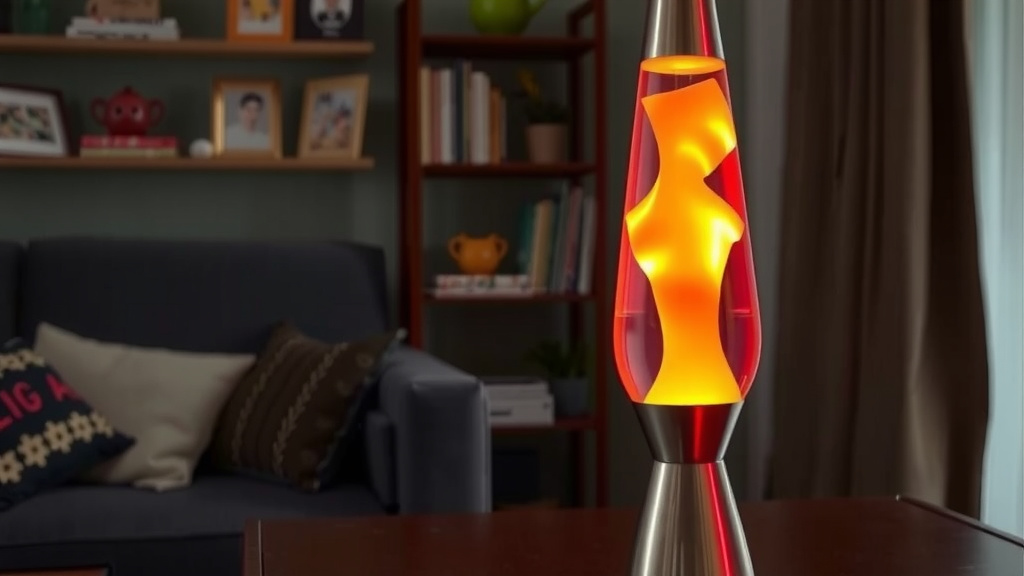
What to Expect During the Warm-Up
The first hour or so can be a bit anticlimactic. Don’t be discouraged if you don’t see much happening right away!
Initial Stage: Subtle Movements
In the first 30-60 minutes, you might only notice very subtle changes. Small ripples or slight wobbles in the wax might appear. The liquid itself might look a little clearer or hazier as it begins to warm.
It’s essential to **resist the urge to shake or move the lamp** during this phase. Doing so can disrupt the delicate process and potentially cause the wax to break into small, unappealing particles.
Mid-Stage: First Blobs Appear
Around the 60-90 minute mark, you’ll likely start to see the first distinct wax blobs forming and beginning their ascent. They might be small at first, but they’ll grow as more wax from the base melts and joins them.
This is when the lamp truly starts to come alive. The shapes and sizes of these initial blobs can vary, adding to the unique character of each lamp.
Full Operation: The Mesmerizing Dance
By the time you reach the 1.5 to 2-hour mark, your lava lamp should be in full swing. You’ll see multiple blobs of wax rising, falling, and occasionally merging or splitting. The dance becomes more fluid and dynamic.
For optimal viewing and performance, many sources suggest that lava lamps work best when run for a few hours at a time. This allows them to reach and maintain a stable operating temperature. However, always follow the manufacturer’s recommended run times to avoid overheating.
A Quick Checklist for Your Lava Lamp Experience
To ensure you get the best experience and understand the warm-up process, keep these points in mind:
- Be Patient: The 1-2 hour warm-up is normal.
- Stable Surface: Place your lamp on a flat, stable surface.
- Room Temperature: A mild room temperature helps.
- No Shaking: Avoid moving or shaking the lamp, especially when warming.
- Correct Bulb: Ensure you’re using the recommended bulb wattage.
- Observe Gradually: Enjoy watching the subtle changes as it heats up.
Conclusion
You’ve learned that your lava lamp needs patience, typically 1 to 2 hours to begin its enchanting show. This waiting period is a natural part of its process, allowing the heat from the bulb to gradually change the wax’s density. Remember that factors like room temperature and your specific lamp model can influence this warm-up time. Don’t forget to avoid shaking your lamp while it’s heating up to protect its delicate internal balance. Now that you know what to expect, you can fully relax and enjoy the mesmerizing, slow-motion dance of your lava lamp!
Frequently Asked Questions
How long should I leave my lava lamp on?
Generally, it’s recommended to run your lava lamp for 4 to 6 hours at a time. This duration allows it to reach and maintain its optimal operating temperature for the best flow. Avoid leaving it on for excessively long periods, as this could potentially overheat the lamp.
What happens if my lava lamp doesn’t start after 2 hours?
If your lava lamp hasn’t started moving after 2 hours, first check that the bulb is the correct wattage and is screwed in properly. Ensure the room temperature isn’t too cold, which can significantly slow down the process. If these simple checks don’t help, there might be an issue with the lamp itself.
Can I speed up the lava lamp warm-up time?
Unfortunately, you cannot safely speed up a lava lamp’s warm-up time. The slow heating process is essential for the wax to change density correctly. Trying to force it by using a higher wattage bulb or external heat sources can damage the lamp and is a safety hazard.
Is it normal for the wax to break into tiny pieces?
While the goal is smooth blobs, sometimes the wax can break into smaller pieces. This often happens if the lamp is shaken or moved during the warm-up or while it’s running. It can also occur if the lamp is overheated. Giving it ample time to heat and cool properly usually helps prevent this.
Why is my lava lamp cloudy after it’s warmed up?
A slightly hazy or cloudy liquid is normal, especially as the lamp heats up. The warmth can cause tiny air bubbles to form or the liquids to mix slightly. If the cloudiness is extreme and doesn’t clear up after several hours of operation, or if it persists after cooling, there might be an issue with the lamp’s internal formula.