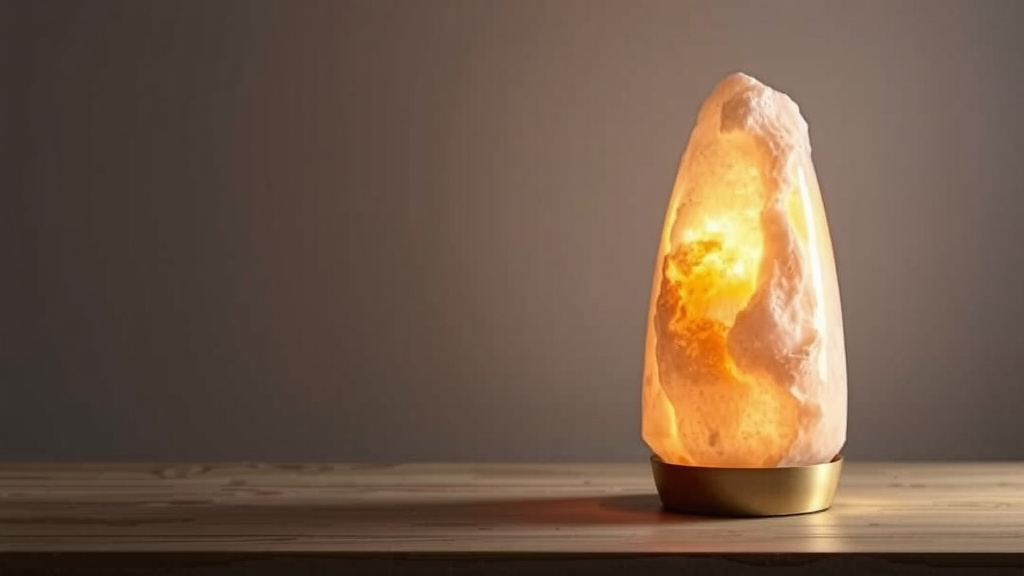
Why Your Salt Lamp Is Leaking and How to Fix It
If your salt lamp is leaking, the most common reason is humidity. These lamps absorb moisture from the air, especially in humid environments. To stop it, you need to reduce the lamp’s exposure to moisture. This usually involves wiping it down and ensuring it’s placed in a drier area.
It’s a common issue for Himalayan salt lamps to ‘sweat’ or leak water. This happens because the salt is naturally hygroscopic, meaning it attracts water molecules from the air. While a little moisture is normal, excessive leaking means your lamp needs some attention to stay in its best form and prevent damage to surfaces.
- Salt lamps leak due to absorbing humidity.
- Wipe the lamp regularly with a dry cloth.
- Place the lamp in a dry room or use a dehumidifier.
- Ensure the bulb is on for several hours daily to keep it warm.
- Avoid placing it on sensitive surfaces without protection.
Let’s walk through exactly what causes this and the simple steps you can take to fix it and keep your lamp looking great.
Keeping Your Salt Lamp from Dripping: Simple Fixes
If you’re noticing water spots or a sticky film around your salt lamp, don’t worry! It’s a common experience, and thankfully, there are straightforward ways to stop your salt lamp from leaking. The primary culprit is usually humidity, the invisible moisture in the air that your lamp loves to absorb.
Why Do Salt Lamps Sweat? Understanding the Science
Salt, especially the kind found in Himalayan salt lamps, is hygroscopic. This is a fancy word meaning it naturally attracts and holds onto water molecules from its surroundings. Think of it like a tiny sponge. In a dry room, it might only absorb a little moisture, but in a humid environment, it can become quite saturated, leading to visible dripping.
The Role of Humidity and Environment
The amount of moisture your lamp collects depends heavily on where you place it. If you live in a humid climate or your home has high indoor humidity, your lamp will likely “sweat” more. Even small things like cooking, showering, or having plants can increase the moisture in the air.
Is it a Problem if My Salt Lamp is Leaking?
A little bit of dampness isn’t usually a major issue. However, if your lamp is consistently dripping, it can cause problems. The water can damage the surface it sits on, like wood furniture or your countertops. It can also affect the electrical components over time, though this is less common.
Your Salt Lamp Troubleshooting Guide
Step 1: Dry It Off Regularly
The simplest solution is to keep your lamp dry. You’ll want to get into the habit of wiping it down daily or every other day. Use a clean, dry cloth to gently remove any moisture that has accumulated on the surface. This is your first line of defense.
Step 2: Turn Up the Heat (Literally!)
The heat from the light bulb inside your salt lamp helps to evaporate the absorbed moisture. For this to work effectively, the bulb needs to be on for a good portion of the day. Many experts recommend keeping the lamp on for at least 4-6 hours daily. If you’re only turning it on for short periods, it might not get warm enough to prevent dripping.
Choosing the Right Bulb
Ensure you’re using the correct wattage bulb as recommended for your lamp size. A bulb that’s too low in wattage might not generate enough heat. Check your lamp’s manual or the manufacturer’s recommendations. A standard incandescent or halogen bulb usually works best for providing the necessary warmth.
Step 3: Find a Dryer Location
Consider where your lamp is placed. Bathrooms and kitchens are often very humid. If your lamp is in one of these rooms, try moving it to a drier area of your home. A living room, bedroom, or office that isn’t prone to high moisture levels would be ideal.
Using a Dehumidifier
If moving the lamp isn’t an option, or if your entire home is humid, a dehumidifier can be a lifesaver. Running a dehumidifier in the room where your salt lamp is located can significantly reduce the ambient moisture, helping your lamp stay drier and preventing leaks. Guidelines from organizations like the EPA suggest maintaining indoor humidity levels between 30-50% for general comfort and health, which also benefits your salt lamp.
Step 4: Protect Your Surfaces
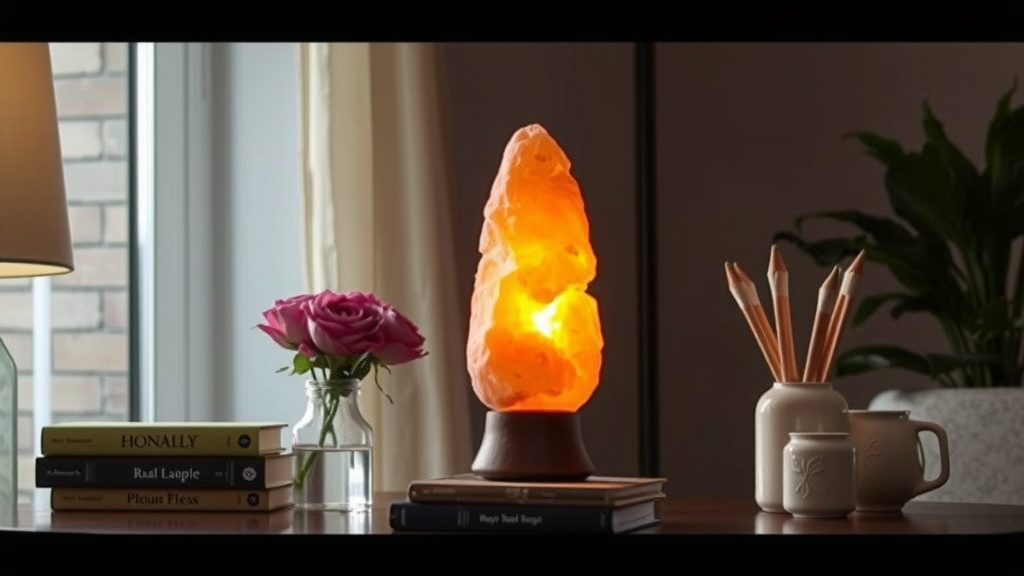
Even with preventative measures, a little dampness might occur. To protect your furniture, always place your salt lamp on a suitable base or mat. Many lamps come with a wooden base, which is helpful. You can also use a small coaster, a piece of cork, or a water-resistant mat underneath the lamp to catch any drips.
When to Consider More Active Solutions
If your lamp continues to leak despite these steps, it might mean it’s absorbing an excessive amount of moisture. In such cases, you can try removing the lamp from its base and placing it in a shallow tray or pan. Let it sit in a sunny spot for a few hours to help it dry out more thoroughly. Some people even place their lamps (unplugged, of course!) in a very low oven for a short time, but this requires careful monitoring and is best done with caution. Always consult your lamp’s manufacturer guidelines before attempting extreme drying methods.
A Quick Checklist for a Dry Salt Lamp
Here’s a handy checklist to help you keep your salt lamp in top condition:
- Wipe down your lamp daily with a dry cloth.
- Ensure the bulb is on for at least 4-6 hours each day.
- Place your lamp in a room with lower humidity.
- Use a coaster or mat under the lamp to protect surfaces.
- Consider a dehumidifier if your home is consistently humid.
- Check your bulb wattage to ensure it’s adequate.
Troubleshooting Table: Common Salt Lamp Leaks
Sometimes, a quick glance at a table can help you pinpoint the issue. Here’s a breakdown:
| Observation | Likely Cause | What to Do |
|---|---|---|
| Lamp feels damp to the touch. | High ambient humidity. | Wipe dry, turn bulb on longer, move to a drier spot. |
| Water pooling around the base. | Lamp is oversaturated. | Dry thoroughly, ensure bulb is warm, consider dehumidifier. |
| Lamp is sticky and wet, even after wiping. | Prolonged exposure to moisture. | Active drying (sun, low oven with caution), check bulb warmth. |
| Lamp doesn’t seem to warm up. | Bulb wattage too low or faulty. | Replace bulb with recommended wattage. |
Conclusion
Dealing with a leaking salt lamp doesn’t have to be a mystery. You’ve learned that humidity is the main cause, and the solution is all about managing moisture. By regularly drying your lamp, keeping its bulb on to generate heat, and choosing a drier location for it, you can prevent those inconvenient drips.
Remember to always protect your furniture with a base or mat. If you implement these simple strategies, your beautiful salt lamp can continue to add ambiance to your home without the worry of water damage. Start by giving your lamp a good dry and ensuring it’s warmed up today!
Frequently Asked Questions
How often should I dry my salt lamp?
You should aim to wipe your salt lamp with a dry cloth at least daily, or every other day. This removes surface moisture before it has a chance to build up and drip. Consistent drying is your first line of defense against leaks.
Can a salt lamp leak if it’s not humid?
It’s unlikely your salt lamp will leak significantly if the ambient humidity is very low. However, even in moderately dry environments, if the lamp isn’t turned on regularly, it can still absorb a small amount of moisture that might lead to dampness over time.
What if I forget to turn my salt lamp on for a few days?
If you forget to turn your lamp on for a short period, it might become a bit damp. Simply dry it off thoroughly and resume your regular schedule. If it’s been off for a long time, you might need to actively dry it more thoroughly.
Is it okay to put my salt lamp in the bathroom?
It’s generally not recommended to place your salt lamp in a bathroom, as these rooms typically have very high humidity levels from showers and baths. This will almost certainly cause your lamp to leak excessively.
Can a faulty bulb cause my salt lamp to leak?
A bulb that is too low in wattage might not generate enough heat to evaporate the absorbed moisture, indirectly leading to leaks. Always use the bulb wattage recommended by your lamp’s manufacturer to ensure it warms up properly.
![10 Best Designer Floor Lamps For Living Room [2026]](https://bestdesklamp.com/wp-content/uploads/2026/09/10-best-designer-floor-lamps-for-living-room-2026-featured-768x432.jpg)
![10 Best Brooder Lamp [2026]](https://bestdesklamp.com/wp-content/uploads/2026/08/10-best-brooder-lamp-2026-featured-768x432.jpg)

![10 Best Color For Night Lamp [2026]](https://bestdesklamp.com/wp-content/uploads/2026/09/10-best-color-for-night-lamp-2026-featured-768x432.jpg)