How Fragrance Lamps Work: A Simple Explanation
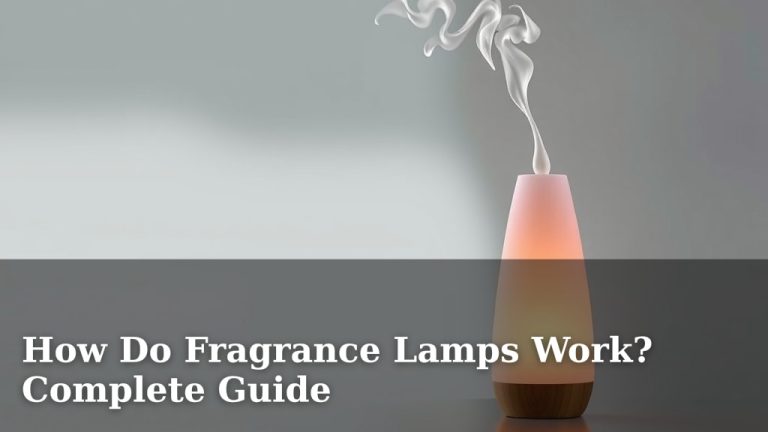
A fragrance lamp, also known as a catalytic diffuser or aroma lamp, works by using a catalytic combustion process to both purify the air and diffuse a scent. It doesn’t just mask odors; it actually neutralizes them through a gentle, flameless heat. This makes it a unique way to freshen up your home.
You might be wondering how this magic happens without a visible flame. The key is a special wick and stone assembly. When heated initially, this setup begins a slow combustion that effectively eliminates airborne bacteria and odors while releasing your chosen fragrance. It’s a clean and efficient method for a pleasant-smelling environment.
TL;DR:
- Fragrance lamps use catalytic combustion, not just masking odors.
- A special wick and stone create a gentle, flameless heat.
- This process neutralizes smells and purifies air.
- It then releases your favorite fragrance into the room.
Ready to understand the science behind your beautifully scented space? Below, we’ll break down exactly how your fragrance lamp works, step by step.
How Your Fragrance Lamp Gets to Work
You’ve got your beautiful fragrance lamp, your favorite scent oil, and a desire for a wonderfully smelling home. But how does this elegant little device actually transform your space? It’s a clever process that involves a bit of science and a lot of scent magic. We’re going to break down exactly what’s happening inside that lamp. Learn how to use fragrance lamps effectively with this complete guide.
The Catalytic Core: More Than Just a Wick
At the heart of every fragrance lamp is its unique wick and stone assembly. This isn’t your average candle wick. It’s designed to work with a special catalytic process. You’ll usually find it’s made of a porous stone or ceramic mounted onto a metal frame. This stone is the key player in the lamp’s function.
The Science of Catalysis Explained
Think of catalysis like a helpful friend. A catalyst is a substance that speeds up a chemical reaction without actually being used up itself. In your fragrance lamp, the stone acts as the catalyst. It helps ignite and sustain a gentle, flameless combustion process.
This process is called catalytic combustion. It’s different from a regular flame. There’s no visible fire dancing around. Instead, the heat generated is controlled and consistent. This controlled heat is what makes the lamp so effective at both purifying and scenting your air.
Why Flameless is a Big Deal
The absence of an open flame is a significant feature. It means you don’t have to worry about open fire hazards. Many guidelines suggest this flameless operation makes it a safer option for homes, especially those with children or pets (National Fire Protection Association).
It also means the process is cleaner. A traditional flame can produce soot. Catalytic combustion produces very little, if any, residue. This helps keep your home cleaner and healthier. Plus, it means your lamp will stay looking good for longer.
The Two-Stage Scenting Process
Your fragrance lamp works in two distinct stages. Each stage is vital for achieving that lovely, clean scent. Understanding these stages will help you appreciate the lamp’s full capabilities.
Stage 1: Purification and Odor Neutralization
When you first light your lamp, you’ll heat the stone assembly for a few minutes. This initial heating primes the catalytic process. The high temperature during this phase is critical. It starts to break down and neutralize airborne impurities.
The lamp actively works to destroy unpleasant odors. It doesn’t just cover them up with a stronger smell. Instead, it chemically breaks down odor-causing molecules. Research suggests that ozone generation from air purification devices can help neutralize certain airborne contaminants (Environmental Protection Agency).
This stage effectively cleans the air. It targets bacteria, viruses, and pollutants. This means you’re not just getting a nice smell. You’re getting a fresher, cleaner environment. Many users report a noticeable difference in air quality after using their lamps.
Stage 2: Fragrance Diffusion
Once the initial heating is done, you extinguish the small flame. The catalytic process continues, but at a lower temperature. Now, the lamp’s main job is to diffuse your chosen fragrance. The gentle heat causes the fragrance oil to evaporate.
The diffused scent is released into the air. It’s a steady and consistent release. This creates a pleasant aroma that fills your room. The fragrance is dispersed evenly. You won’t get pockets of strong scent followed by nothing.
The beauty of this stage is its subtlety. The scent is noticeable but not overwhelming. It’s designed to create ambiance. It’s about enhancing your living space. You get a beautiful fragrance that lasts.
How the Components Work Together
Let’s look at the individual parts and how they contribute to the magic.
The Fragrance Oil
The special oils are formulated for use in catalytic diffusers. They contain a specific blend of fragrances and alcohol. The alcohol content helps with the ignition and evaporation process. It’s essential to use only oils designed for fragrance lamps.
Using the wrong type of oil can damage the wick or stone. It might also not produce the desired scent. Always check the manufacturer’s recommendations for oils.
The Wick and Stone Assembly
This is the engine of your lamp. The wick draws the fragrance oil up to the stone. The stone, acting as the catalyst, then initiates and maintains the reaction. Its porous nature allows for excellent air flow.
This assembly needs care. You’ll need to replace it periodically. How often depends on usage. Signs it needs replacing include a reduced scent throw or difficulty in maintaining the catalytic process.
The Lamp Body
The decorative lamp body holds the oil and the wick assembly. It also helps direct the airflow. The design of the lamp body influences how the scent is dispersed. Many are crafted to be decorative pieces in themselves.
A Simple Analogy for Understanding
Imagine your fragrance lamp is like a tiny, controlled campfire for scent. The wick is like the logs, drawing up the fuel (fragrance oil). The stone is like a special magic rock that gets incredibly hot when you first light it, igniting the logs without a big flame. Once it’s going, this magic rock keeps the logs burning gently, releasing warmth and smoke. In the lamp’s case, the “smoke” is your beautiful fragrance, and the “warmth” is the air purification.
Key Steps to Operate Your Lamp
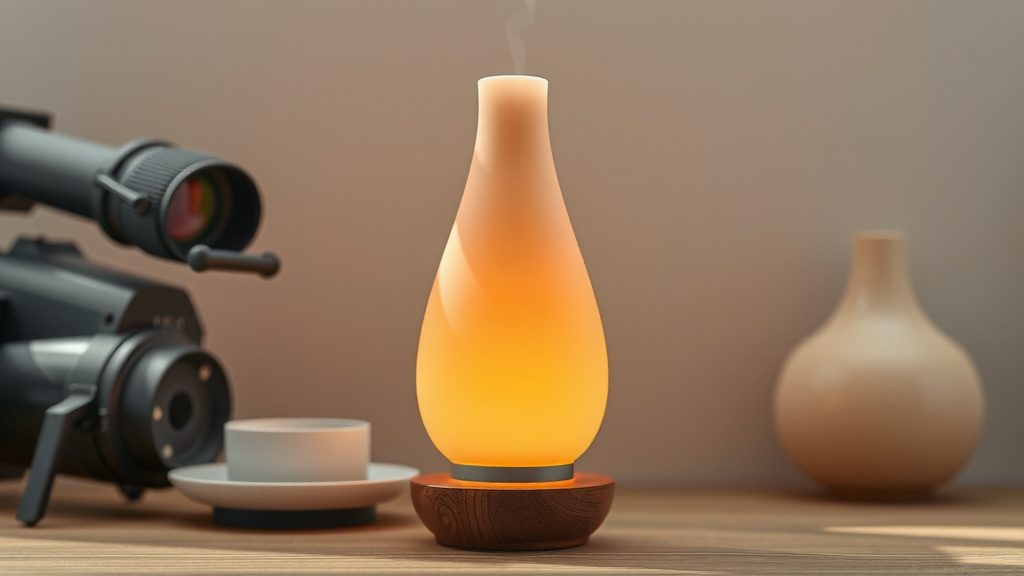
Getting your lamp working is straightforward. Follow these simple steps for optimal performance:
- Fill the lamp with your chosen fragrance oil, up to the indicated level.
- Insert the wick and stone assembly into the lamp.
- Light the wick with a lighter or match.
- Let it burn for 2-3 minutes to heat the stone.
- Gently blow out the flame.
- The catalytic process will continue, diffusing scent.
What Makes It Different from Other Diffusers?
It’s helpful to see how fragrance lamps stand apart. Here’s a quick comparison:
| Feature | Fragrance Lamp (Catalytic) | Reed Diffuser | Electric Diffuser (Ultrasonic) |
|---|---|---|---|
| Mechanism | Catalytic combustion, flameless heat | Passive evaporation through reeds | Ultrasonic vibrations creating mist |
| Air Purification | Yes, neutralizes odors and bacteria | No | Minimal, may add humidity |
| Scent Release | Steady, consistent diffusion | Gradual, can be less intense | Varies with settings, can be strong |
| Power Source | Initial flame, then catalysis | None | Electricity |
| Safety | Flameless, minimal heat | No heat or flame | Low heat from water, safe otherwise |
Caring for Your Fragrance Lamp
To ensure your lamp works efficiently for a long time, a little care goes a long way. It’s not complicated, but it’s important.
Regular Maintenance Checklist
Here are a few quick checks to keep your lamp in top condition:
- Clean the lamp body regularly. Wipe it down with a soft cloth.
- Check the wick and stone. Ensure they are clean and free from debris.
- Replace the wick and stone as needed. This is usually after several months of use.
- Use high-quality fragrance oils. This prevents clogging.
- Store oils properly. Keep them away from direct sunlight and heat.
By understanding how your fragrance lamp works, you can better appreciate its unique benefits. It’s more than just a pretty way to add scent. It’s a sophisticated air treatment system for your home.
Conclusion
You’ve discovered how your fragrance lamp uses catalytic combustion to purify air and diffuse scent. It’s a flameless, safe, and effective way to neutralize odors rather than just masking them. The special wick and stone assembly work together to break down impurities before gently releasing your chosen fragrance. This dual action creates a cleaner, more pleasant atmosphere in your home. Ready to enjoy your refreshed space? Consider experimenting with different fragrance oils to find your perfect home scent!
Frequently Asked Questions
Can I use any essential oil in my fragrance lamp?
No, it’s important to use only oils specifically designed for catalytic fragrance lamps. Regular essential oils or other liquids might not contain the right alcohol content needed for ignition and evaporation, and they could damage the wick and stone assembly over time.
How long does the fragrance typically last from a fragrance lamp?
The duration of the fragrance depends on the oil’s concentration and the lamp’s diffusion rate. Generally, a filled lamp can provide a pleasant scent for several hours of operation. Refills are needed when the scent fades or the oil level is low.
Why does my fragrance lamp stop diffusing scent after a while?
This could happen if the wick and stone assembly needs cleaning or replacement. Over time, residue can build up, hindering the catalytic process. Ensure you are using the correct oils and follow the manufacturer’s maintenance tips to keep it working effectively.
Is the heat from a fragrance lamp dangerous?
Fragrance lamps produce a gentle, controlled heat through catalytic combustion, not an open flame. While the stone can get hot, it’s not typically a fire hazard like an open flame. However, always follow safety guidelines and keep the lamp away from flammable materials.
How often should I clean or replace the wick and stone assembly?
Replacement frequency varies based on usage, but many manufacturers recommend replacing the wick and stone assembly every few months. Regular cleaning of the lamp body is also advised to maintain optimal performance and appearance.
![10 Best Bright Desk Lamp [2026]](https://bestdesklamp.com/wp-content/uploads/2026/08/10-best-bright-desk-lamp-2026-featured-768x432.jpg)