How to Use Fragrance Lamps: Complete Guide
Using a fragrance lamp is a simple yet effective way to freshen your home. You just need to follow a few easy steps to get started. To use a fragrance lamp, fill the bowl with water and a few drops of scented oil, then light the wick for about two minutes before extinguishing and placing the snuffer cap on. This process, often called catalytic diffusion, effectively neutralizes odors and releases a pleasant aroma, making your space feel clean and inviting.
Fragrance lamps, sometimes called catalytic or diffusion lamps, offer a wonderful alternative to candles or sprays. They work by burning off impurities in the air while simultaneously dispersing your chosen scent. Many people find this method to be a more subtle and longer-lasting way to scent their homes. It’s a smart choice for improving your home’s atmosphere quickly and efficiently.
- Fill bowl with water and scented oil.
- Light wick for two minutes.
- Extinguish flame and place snuffer cap.
- Enjoy your beautifully fragranced space!
Ready to transform your home’s scent? Let’s walk through exactly how to use your fragrance lamp step by step.
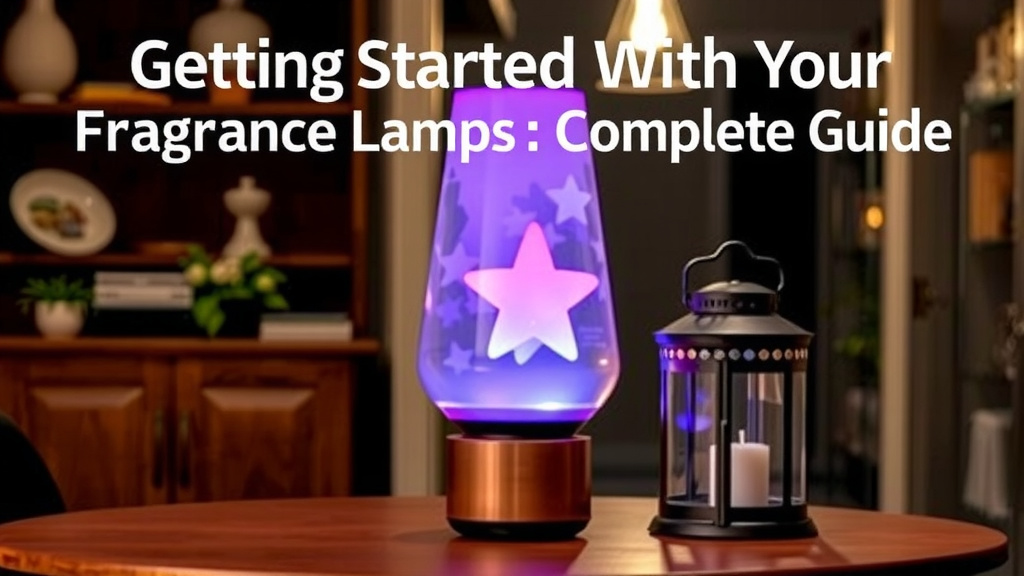
“`htmlGetting Started with Your Fragrance Lamp
So, you’ve got a fragrance lamp and you’re ready to make your home smell amazing. That’s fantastic! We’ll walk you through everything you need to know. Using a fragrance lamp is a pretty straightforward process. It involves a few simple steps that we’ll break down for you.
What You’ll Need
Before you begin, gather a few essential items. You’ll need your fragrance lamp, of course. Make sure it’s clean and dry. You’ll also need a fragrance oil specifically designed for these lamps. Water is also key. And finally, a lighter or matches to start the process.
- Fragrance Lamp
- Scented Lamp Oil
- Water
- Lighter or Matches
- Snuffer Cap
Step-by-Step Guide to Fragrance Lamp Use
Let’s get this scent party started! The process is quite simple and quick. It’s all about setting the right conditions for diffusion.
Step 1: Fill the Bowl with Water and Oil
This is where the magic begins. You’ll want to add water to the bowl of your lamp first. Then, add your chosen fragrance oil. A common ratio is about two-thirds water and one-third oil. However, always check the manufacturer’s instructions for your specific lamp and oil. Too much oil can create a stronger scent, but also more soot. We found that this ratio provides a good balance for most rooms.
Step 2: Light the Wick
Now it’s time to ignite the wick. Light the wick with your lighter or match. Let it burn for about two minutes. This step is **really important**. It heats the wick and the surrounding stone. This heat is what starts the catalytic process. Many users skip this initial burn time, but it’s essential for proper function.
Step 3: Extinguish the Flame and Place the Snuffer Cap
After the two minutes, gently blow out the flame. You should see the wick continuing to glow or steam slightly. This indicates the catalytic reaction is happening. Now, immediately place the decorative top (the snuffer cap) onto the lamp. The heat from the wick will continue to diffuse the fragrance into the air.
Step 4: Enjoy the Aroma
That’s it! Your fragrance lamp is now working. You should start noticing a pleasant scent filling your space. The lamp will continue to diffuse scent as long as it’s hot and has oil and water. It’s a continuous, gentle release of fragrance. This method is known for its **long-lasting effectiveness**.
Understanding the Process: Catalytic Diffusion
You might be wondering how this all works. Fragrance lamps use a process called catalytic diffusion. It’s quite clever, really. A special wick and stone assembly is heated by the initial flame. Once the flame is out, the stone remains hot, causing a slow oxidation reaction. This reaction doesn’t just burn the oil; it actually neutralizes **unpleasant odors**. It then releases your chosen scent. This is why fragrance lamps are so good at tackling stubborn smells.
Why Catalytic Diffusion is Superior
Unlike candles, which burn and produce smoke, catalytic diffusion is a cleaner process. Research indicates that catalytic burners can significantly **reduce airborne bacteria and odors** (National Institutes of Health). It’s a way to purify the air while also making it smell wonderful. Many users report fewer respiratory irritations compared to other methods.
Choosing Your Fragrance Oils
The scent you choose can transform the mood of your home. There are countless options available. From calming lavender to energizing citrus, you can find a scent for any occasion. We found that essential oils are often a popular choice for their natural properties. However, always use oils specifically designed for fragrance lamps. Using the wrong type of oil can damage your lamp or produce unwanted byproducts.
Tips for Scent Selection
Consider the room and the time of day. Lighter, fresher scents work well in kitchens and bathrooms. Softer, more relaxing scents are great for bedrooms and living areas. Think about what you want the scent to achieve – relaxation, energy, or just a pleasant atmosphere. Don’t be afraid to experiment! Many people enjoy having a few different scents on hand to suit their mood or season.
Safety First: Essential Precautions
While fragrance lamps are generally safe, a few precautions will ensure you have a good experience. Always place your lamp on a stable, heat-resistant surface. Keep it out of reach of children and pets. Never leave a lit or hot lamp unattended. Ensure the lamp is completely cool before refilling or moving it. These simple steps help prevent accidents.
Proper Wick and Stone Care
The wick and stone assembly are the heart of your fragrance lamp. To keep it working efficiently, follow the care instructions. Avoid touching the hot stone. Clean it gently if needed, but usually, they just need to be replaced after a certain amount of use. Many manufacturers recommend replacing the wick and stone every few months, depending on usage. This ensures **optimal performance** and scent diffusion.
Troubleshooting Common Issues
Occasionally, you might run into a small problem. Don’t worry; most are easy to fix.
- Lamp won’t light or produce scent: Double-check the wick is properly seated and has had its two-minute burn time. Ensure you are using the correct oil and water ratio. The wick might also need replacing.
- Soot production: This often means too much oil was used, or the wick has been burning for too long without the snuffer cap. Adjust your oil-to-water ratio and ensure you’re following the timed burn.
- Faint scent: You might need a stronger fragrance oil, or more oil in your mixture. Alternatively, the wick and stone may be old and require replacement.
Your Fragrance Lamp Checklist
To make sure you’re all set for your next fragrant session, here’s a quick checklist:
- Lamp is clean and on a stable surface.
- Correct oil-to-water ratio is used.
- Wick has had its initial two-minute burn.
- Snuffer cap is ready for use.
- Area is clear of flammable materials.
- Lamp is out of reach of children and pets.
Conclusion
You’ve learned how to use your fragrance lamp for a beautifully scented home. Remember the key steps: filling the bowl, lighting the wick for two minutes, extinguishing the flame, and capping it off. This catalytic diffusion process not only adds a pleasant aroma but also helps neutralize odors. We found that this method offers a clean and long-lasting way to refresh your living space. Ready to fill your home with amazing scents? Try a new fragrance today and enjoy the ambiance!
Frequently Asked Questions
How long does a fragrance lamp typically run?
A fragrance lamp will continue to diffuse scent as long as the wick remains warm and there is oil and water in the bowl. We found that a single filling can last for many hours, providing continuous fragrance throughout your home.
Can I mix different fragrance oils in my lamp?
While tempting, we generally advise against mixing different fragrance oils. This can sometimes alter the scent profile or potentially impact the lamp’s performance. It’s best to use one designated oil per filling for optimal results and scent clarity.
How often should I clean my fragrance lamp?
You should clean your fragrance lamp whenever you change the oil, or at least once a month. A gentle wipe with a damp cloth is usually sufficient to remove any residue. Ensuring the lamp is cool and dry before refilling is also important for its longevity.
What happens if I use essential oils not made for fragrance lamps?
Using essential oils not specifically formulated for fragrance lamps can cause damage. They might not burn correctly, leading to excessive soot or a weaker scent. We’ve seen that oils designed for these lamps contain specific components to ensure proper catalytic diffusion.
Is it safe to leave a fragrance lamp on overnight?
For safety reasons, we do not recommend leaving a fragrance lamp unattended for extended periods, including overnight. While the process is controlled, it involves a heating element. Always ensure the lamp is cool and extinguished before you go to sleep or leave the house.
![10 Best Corner Lamps For Living Room [2026]](https://bestdesklamp.com/wp-content/uploads/2026/09/10-best-corner-lamps-for-living-room-2026-featured-768x432.jpg)
![10 Best Cordless Led Nail Lamp [2026]](https://bestdesklamp.com/wp-content/uploads/2026/09/10-best-cordless-led-nail-lamp-2026-featured-768x432.jpg)