How Does a Catalytic Lamp Work? Full Guide
A catalytic lamp works by using a special catalyst to break down odor molecules and kill airborne bacteria. This process also releases a subtle, pleasant fragrance into your home. It’s a clever way to both purify and scent your living space. The magic happens through a controlled, flameless diffusion process. You can think of it as a tiny, scent-making purifier for your room.
These lamps are more than just air fresheners. They use a unique catalytic combustion that requires no flame. This makes them a safer alternative to traditional candles or incense. Many people love them for their ability to neutralize strong odors. They are also effective at reducing airborne germs and pollutants. You get clean, fresh air with a lovely scent.
- Catalytic lamps use a catalyst to clean air.
- They break down odors and kill bacteria.
- No flame is needed, making them safer.
- They can also add a pleasant fragrance.
- It’s a two-in-one air purifier and diffuser.
Ready to learn how these amazing lamps actually do their thing? Let’s dive into the fascinating science behind catalytic lamps and how you can get the most out of yours.
Understanding How a Catalytic Lamp Purifies Your Air
So, how does this magic happen? A catalytic lamp uses a special process called catalytic combustion to clean your air. It’s quite different from a regular candle or a simple diffuser. This process breaks down the things you don’t want in your air. It then releases a pleasant scent without any open flame.
The Heart of the Lamp: The Catalyst
At the core of your catalytic lamp is a small stone or ceramic burner. This burner is impregnated with a catalyst, usually platinum or another precious metal. This catalyst is the key ingredient that makes the lamp work its wonders. It’s like the special chef in a kitchen, making everything happen.
What Does the Catalyst Do?
The catalyst is a substance that speeds up a chemical reaction. In this case, it helps to break down unwanted molecules in the air. Think of it as a tiny molecular demolition crew. It works tirelessly to make your air cleaner. It does this without being used up in the process itself.
The Catalytic Combustion Process Explained
The process starts when you light the wick and heat the stone for a few minutes. This initial heat activates the catalyst. Once the flame is blown out, the catalyst continues to work. It draws air through the stone. This air contains odor molecules and bacteria. The catalyst then causes these molecules to oxidize. This means they break down into harmless substances. This reaction also generates a gentle heat, keeping the process going. It’s a flameless, continuous cycle of air purification.
Breaking Down Odors
Lingering smells from cooking, pets, or just stale air can be tough. A catalytic lamp targets these odor molecules directly. The catalyst oxidizes them, effectively destroying the source of the smell. Many users report that these lamps are much better at removing odors than masking them. You’re not just covering up bad smells; you’re getting rid of them. Research in air quality suggests that catalytic oxidation is a highly effective method for odor removal (National Institute of Environmental Health Sciences).
Eliminating Airborne Bacteria and Viruses
Beyond odors, the lamp also tackles airborne germs. The same catalytic process that breaks down odor molecules can also neutralize bacteria and viruses. The high heat generated by the catalyst, even without a flame, can damage the structure of these microorganisms. This helps to reduce their presence in your home. While it’s not a medical device, many find it offers an extra layer of clean air. For instance, guidelines on indoor air quality often discuss methods to reduce airborne pathogens (Environmental Protection Agency).
The Scent Diffusion Stage
After the air purification stage, the lamp adds a pleasant fragrance. You add a few drops of your favorite scented oil to the perfume receptacle, usually located above the stone. As the lamp continues its catalytic process, it gently warms the oil. This warmth releases the fragrance into the air. It’s a slow, steady diffusion. This means you get a lovely scent without any harsh chemicals or overpowering initial burst. You can control the intensity by adding more or less oil.
Choosing Your Fragrance
The variety of scents available for catalytic lamps is vast. From calming lavender to energizing citrus, you can choose what suits your mood. You can even mix scents to create your own unique blend. Just be sure to use oils specifically designed for these lamps. Other oils might damage the catalyst or not diffuse properly.
A Safer Way to Scent Your Home
One of the biggest advantages is the absence of an open flame. This makes catalytic lamps a much safer choice. You don’t have to worry about fire hazards like you might with candles. This is especially important if you have children or pets. You can leave the lamp running, knowing it’s a contained process. The U.S. Fire Administration consistently highlights fire safety, and flameless options reduce risks.
Key Components and How They Work Together
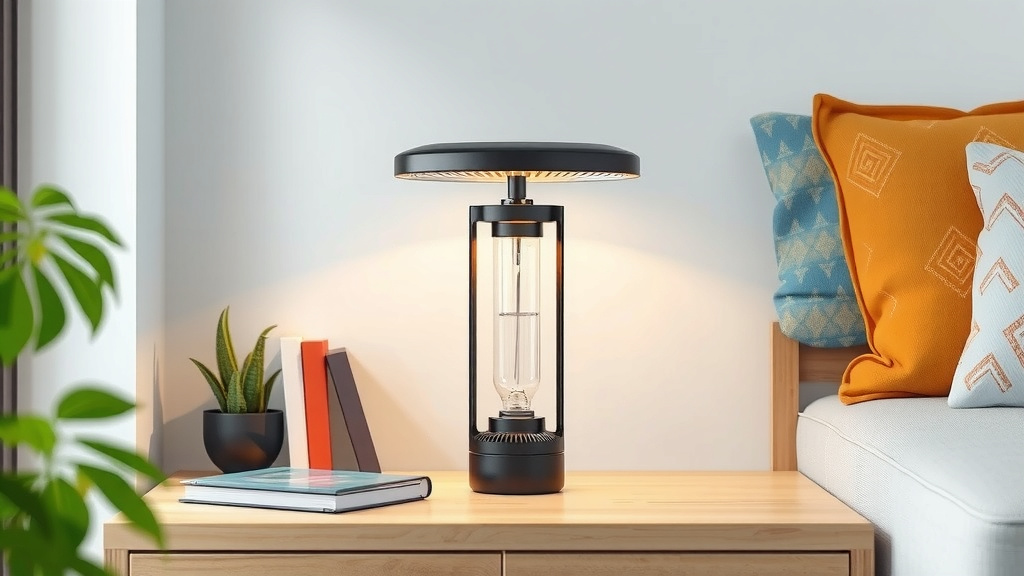
Let’s break down the parts you’ll see on your lamp:
| Part | Function |
|---|---|
| Wick and Burner Stone | Initiates the catalytic process with initial heat. The stone holds the catalyst. |
| Catalyst | The active agent that oxidizes odors and kills germs. Usually platinum-based. |
| Perfume Receptacle | Holds the scented oil for diffusion. |
| Protective Cover/Cap | Regulates airflow and diffusion. Used to extinguish the lamp. |
Getting the Most Out of Your Catalytic Lamp
To ensure your lamp works efficiently and lasts a long time, follow these simple tips:
- Use the right fuel: Always use specially formulated catalytic lamp fuel.
- Don’t overfill the scent: Start with a few drops of fragrance oil.
- Clean your burner: Periodically clean the burner stone as per manufacturer instructions.
- Burn it long enough: Allow the lamp to run for at least 30 minutes for effective purification.
- Follow extinction steps: Always use the provided cap to extinguish the flame properly.
Troubleshooting Common Issues
Sometimes, you might run into a small hiccup. If your lamp isn’t diffusing scent well, check the perfume receptacle. Is it empty? Did you add enough oil? If the air isn’t feeling cleaner, make sure the burner stone is still active. Sometimes, a gentle cleaning can help revive it. Manufacturer guides often have specific care instructions for these situations.
Conclusion
You now understand how a catalytic lamp works its magic. It uses a special catalyst to break down odors and kill bacteria. This flameless process is safer than candles. It also gently diffuses a pleasant fragrance. Your home can feel cleaner and smell wonderful. Ready to experience this for yourself? Consider trying a catalytic lamp to refresh your living space today.
Frequently Asked Questions
How long does the catalytic burner last?
A catalytic burner stone typically lasts for a very long time with proper care. Many manufacturers suggest they can last for years. Regular cleaning and avoiding harsh chemicals can extend its lifespan. Always check your lamp’s specific instructions for best results.
Can I use any essential oil in my catalytic lamp?
No, you should only use fragrance oils specifically made for catalytic lamps. Regular essential oils can be too thick. They might clog the burner stone or damage the catalyst. Using the correct oils ensures proper scent diffusion and lamp function.
Is a catalytic lamp safe to leave on unattended?
Catalytic lamps are designed to be flameless and safe. However, it’s always wise to follow manufacturer guidelines. Never leave any home appliance running completely unattended for extended periods. Ensure the protective cap is properly placed when not in use.
How do I extinguish my catalytic lamp?
To extinguish your catalytic lamp, you remove the outer decorative cover. Then, you place the provided stopper cap directly onto the burner stone. This cuts off the air supply, stopping the catalytic reaction. Allow it to cool completely before handling.
What is the difference between a catalytic lamp and a regular diffuser?
A regular diffuser typically uses heat or ultrasonic vibrations to disperse essential oils. A catalytic lamp uses a flameless catalytic process. This process not only diffuses scent but also purifies the air by breaking down odors and killing bacteria.

![10 Best Clip On Desk Lamp [2026]](https://bestdesklamp.com/wp-content/uploads/2026/08/10-best-clip-on-desk-lamp-2026-featured-768x432.jpg)
![10 Best Desk Lamp Dorm [2026]](https://bestdesklamp.com/wp-content/uploads/2026/09/10-best-desk-lamp-dorm-2026-featured-768x432.jpg)
![10 Best Buy Smart Lamp [2026]](https://bestdesklamp.com/wp-content/uploads/2026/08/10-best-buy-smart-lamp-2026-featured-768x432.jpg)