How Bright Should a Reading Lamp Be? Guide
The ideal brightness for a reading lamp is generally between 450 and 700 lumens. Too dim, and you’ll strain your eyes. Too bright, and it can feel harsh or distracting. Finding that sweet spot ensures a comfortable and effective reading experience. You want enough light to see clearly without causing glare or fatigue.
Getting the right light is more than just picking a bulb. We found that the color temperature also plays a big role in how pleasant your reading time feels. A good reading lamp should provide focused light right where you need it. It prevents shadows from falling on your book or page.
- Aim for 450-700 lumens for reading.
- Consider the color temperature for comfort.
- Focused light is key to avoiding eye strain.
- Adjustable brightness is a great feature.
Let’s walk through exactly what makes a reading lamp a good reading lamp and how to pick the perfect one for your favorite reading nook.
Finding the Right Illumination for Your Reading Time
So, you’re ready to settle in with a good book. You’ve got your comfy chair, maybe a warm drink, and a story waiting to whisk you away. But wait! What about the light? The right lamp can make all the difference between a cozy escape and a blurry chore. Let’s talk about how to choose a reading lamp that’s just right for your eyes.
Understanding Lumens: The Measure of Brightness
When you’re looking at lamps, you’ll see numbers often followed by “lumens.” This tells you how much light the bulb gives off. Think of it like how loud a sound is, but for light. More lumens mean a brighter light. Less means it’s dimmer.
What’s the Sweet Spot for Lumens?
For reading, we’re aiming for a brightness that lets you see clearly without straining your eyes. Many experts suggest a range of 450 to 700 lumens for a good reading lamp (American Optometric Association). This range provides enough light to comfortably read text without causing glare or making your eyes feel tired quickly.
If a lamp is too dim, your eyes have to work harder to make out the words. This can lead to headaches and fatigue. On the other hand, if it’s excessively bright, it can feel harsh and create uncomfortable glare on the page. Finding that happy medium is key to enjoyable reading sessions.
Adjustable Brightness: A Reader’s Best Friend
One of the best features a reading lamp can have is adjustable brightness. This means you can dial the light up or down as needed. Maybe you like a brighter light for detailed work or when you’re first starting to read. Then, you might prefer it a little dimmer as you get more relaxed.
An adjustable lamp offers flexibility. You can tailor the light to your specific needs and the ambient conditions of your room. Some lamps offer a wide range of brightness settings, from very dim to quite bright. This allows you to find your perfect personal setting.
Color Temperature: Warm vs. Cool Light
Beyond just brightness, the color of the light matters too. This is called color temperature, and it’s measured in Kelvin (K). Think of it as the “warmth” or “coolness” of the light.
Warm Light for Relaxation
Lights with lower Kelvin numbers (around 2700K to 3000K) give off a warm, yellowish glow. This is similar to the light from traditional incandescent bulbs. Many people find this type of light very relaxing and cozy.
For evening reading or when you want to wind down, a warm light can be ideal. It creates a comfortable atmosphere, making your reading nook feel inviting. It’s less likely to disrupt your sleep cycle compared to cooler lights.
Cool Light for Focus
Lights with higher Kelvin numbers (around 4000K to 6500K) produce a cooler, bluer light. This can feel more energizing and is often preferred for tasks that require concentration.
While a cooler light might seem good for reading, it can sometimes feel too stark or artificial for a relaxing experience. However, some individuals find that a neutral white light (around 3500K-4000K) offers a good balance for reading, providing clarity without being overly cool.
The Impact on Your Eyes and Mood
Research suggests that light color can influence our mood and alertness (National Sleep Foundation). For reading, the goal is usually comfort and reduced eye strain. Many readers prefer a warm or neutral white light for extended reading sessions because it feels gentler on the eyes.
Beam Angle and Directionality: Focusing the Light
Where the light shines is just as important as how bright it is. A good reading lamp should direct light precisely where you need it – onto the page. This is where beam angle and directionality come into play.
What is Beam Angle?
Beam angle refers to how wide or narrow the cone of light is. A narrow beam angle means the light is more focused and concentrated. A wider beam angle spreads the light out over a larger area.
Why Focused Light is Best for Reading
For reading, you want a lamp with a reasonably focused beam. This ensures that the light hits your book or e-reader directly. It helps to prevent shadows from falling on the page as you move your head or the lamp. A focused beam also means less light spills out and distracts others or creates glare.
Look for lamps designed for task lighting or reading. These often have adjustable arms and shades that allow you to direct the light exactly where you want it. This is much better than a general overhead light that might create uneven illumination.
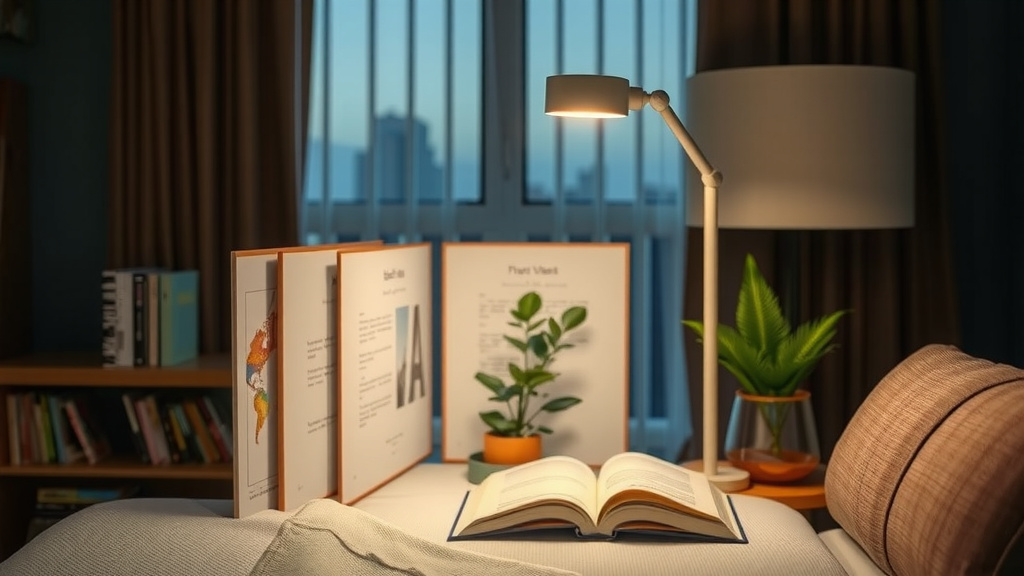
Types of Reading Lamps and Their Brightness Characteristics
Different types of lamps offer different lighting solutions. Understanding these can help you make the best choice for your reading habits.
Floor Lamps: Versatile and Adjustable
Floor lamps, especially those with adjustable arms (often called arc lamps or pharmacy lamps), are fantastic for reading. You can easily position the light source directly over your shoulder or next to your chair.
Many floor lamps use standard bulbs, so you can choose one with the lumens and color temperature you prefer. Look for models with integrated LED lights, as these are often energy-efficient and can offer adjustable brightness and color temperature.
Desk Lamps: For Dedicated Reading Spots
Desk lamps are great if you have a dedicated reading desk or a specific spot where you read. They often have a smaller footprint and can be easily positioned. Like floor lamps, look for ones with flexible arms and heads.
Some desk lamps come with built-in LED lights that are specifically designed for task lighting. These are often very energy-efficient and provide consistent brightness.
Clip-On Lamps: Portable and Practical
Clip-on lamps are super handy for reading in bed or in unconventional spots. They attach to headboards, shelves, or even the edge of a table. Their main advantage is portability and space-saving design.
Be mindful of the brightness and beam angle with clip-on lamps. Because they are often smaller, their light output might be lower. Ensure the one you choose provides enough lumens for comfortable reading. Many offer adjustable goosenecks to help direct the light.
Quick Checklist for Your Perfect Reading Lamp
Ready to find your ideal reading companion? Keep these points in mind:
- Lumens: Aim for 450-700 lumens for comfortable reading.
- Adjustability: Does it have dimming or adjustable brightness?
- Color Temperature: Prefer warm (2700K-3000K) or neutral white (3500K-4000K) for comfort.
- Directionality: Can you easily aim the light onto your book without glare?
- Type of Lamp: Choose a floor, desk, or clip-on style that fits your space and needs.
Conclusion
You’ve learned that finding the perfect reading lamp is about more than just lumens. It’s a blend of brightness, color temperature, and focused light. Aiming for 450-700 lumens, a warm or neutral color temperature, and a directed beam angle will make your reading sessions comfortable and strain-free. Adjustable brightness offers wonderful flexibility for different times of day or tasks. Now that you know what to look for, take a moment to assess your current reading setup and identify the lamp that will best suit your needs.
Frequently Asked Questions
What is the best color temperature for reading at night?
For reading at night, a warm color temperature, typically between 2700K and 3000K, is often best. This light mimics the cozy glow of candlelight and can help you relax, making it ideal for winding down with a book before bed. Cooler lights might feel too stimulating and could interfere with your sleep cycle.
Can a reading lamp be too bright?
Yes, a reading lamp can definitely be too bright. While you need enough light to see clearly, excessive brightness can cause glare on the page, leading to discomfort and eye fatigue. It can also create a harsh environment that detracts from the relaxing experience of reading.
Does the type of bulb affect reading lamp brightness?
Absolutely. The type of bulb is directly related to brightness (lumens) and color temperature. LED bulbs are a popular choice because they offer a wide range of lumen outputs and color temperatures, and they are very energy-efficient. Incandescent bulbs tend to be warmer but are less efficient.
How can I prevent shadows when reading with a lamp?
To prevent shadows, choose a reading lamp with a flexible arm and head, allowing you to direct the light precisely onto your book or page. A focused beam angle is also helpful, ensuring the light falls where you need it without spreading too widely or being easily blocked by your own body.
Is adjustable brightness really necessary for a reading lamp?
Adjustable brightness is a highly beneficial feature, though not strictly necessary. It offers great flexibility, allowing you to customize the light intensity for different reading scenarios, such as bright light for detailed text or a dimmer setting for relaxed reading in the evening. It helps you achieve your ideal lighting level.
![10 Best Budget Table Lamps [2026]](https://bestdesklamp.com/wp-content/uploads/2026/08/10-best-budget-table-lamps-2026-featured-768x432.jpg)