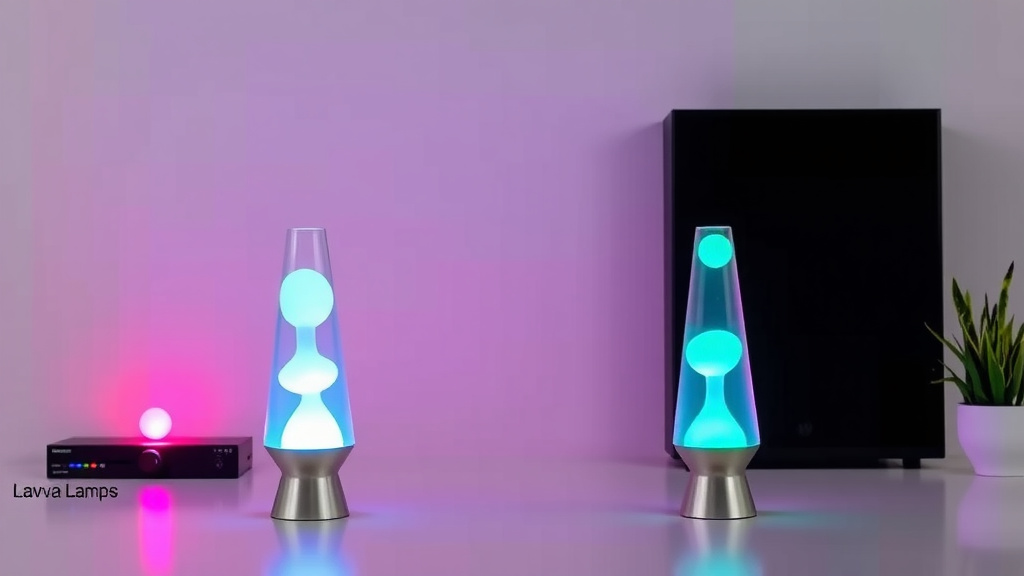
How LED Lava Lamps Work: The Science Explained
LED lava lamps work by using a special liquid and a heating element to create flowing, bubbly patterns. Unlike traditional lava lamps, LEDs provide the light source themselves, making them more energy-efficient and longer-lasting. They rely on the principle that hot wax is less dense than the surrounding liquid, causing it to rise.
The core magic happens inside the glass globe. A heat-producing LED at the base warms a mixture of water and wax. As the wax heats up, it becomes lighter and begins to float. It then rises to the top of the globe, cools, becomes denser, and sinks back down.
- LED lava lamps use a heat-producing LED for light.
- This LED warms a special liquid mixture.
- Wax becomes less dense when heated and rises to the top.
- Cooled wax becomes denser and sinks back down.
- This creates the mesmerizing, flowing effect.
Ready to dive into the science behind your groovy lamp? Let’s walk through exactly how this works, step by step.
“`htmlUnderstanding the Magic Behind LED Lava Lamps
Have you ever stared at your LED lava lamp, mesmerized by the slow dance of colorful blobs? It’s a captivating sight! You might wonder how this groovy phenomenon actually works. It’s a clever blend of science and design that transforms simple components into a flowing spectacle.
At its heart, an LED lava lamp relies on a few key principles. You’ve got a special liquid mixture and a heat source. This heat source is what sets everything in motion, causing those familiar, mesmerizing blobs to rise and fall.
The Essential Components of Your Lava Lamp
Think of your LED lava lamp as a miniature ecosystem. It needs specific ingredients to create its unique display. Understanding these parts helps demystify the process.
The Glass Globe: A Tiny World
The main part of your lamp is the sealed glass globe. This is where all the action happens. It contains the magic mixture that creates the flowing effect you love to watch. The glass is crucial for containing the liquids and allowing you to see the show.
The Mysterious Liquid Mixture
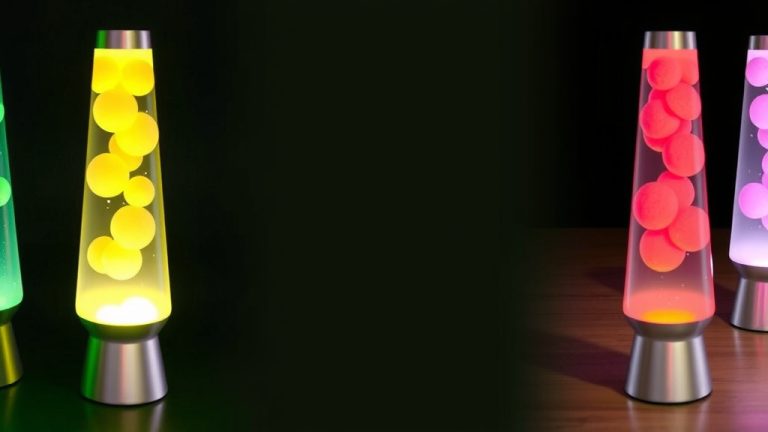
Inside the globe, you’ll find two main liquids. One is typically a water-based solution, often colored. The other is a special type of wax. These two liquids don’t mix, which is key to how the lamp works. They’re carefully chosen for their different densities and how they react to heat.
The LED Base: More Than Just Light
Unlike older lava lamps that used a regular incandescent bulb, LED versions have a specialized LED in the base. This LED does two important jobs. First, it provides the illumination that makes your lamp glow. Second, and perhaps more importantly, it generates the heat needed to drive the lava lamp’s cycle.
What About the Cord? Powering the Show
The cord simply connects your lamp to an electrical outlet. This provides the power for the LED to do its work. Without electricity, the LED wouldn’t light up or produce heat, and your lamp would be just a decorative object.
How the Flowing Action Happens: The Science of Density
The real magic of a lava lamp comes down to a scientific concept called density. Density is how much “stuff” is packed into a certain space. Think of it like comparing a rock to a balloon. The rock is much denser.
Heat is the Catalyst
Your LED base generates heat. This heat is transferred to the bottom of the glass globe and, subsequently, to the liquids inside. The wax is specifically formulated to be slightly denser than the surrounding liquid at room temperature.
The Wax Begins to Rise
As the wax at the bottom of the globe heats up from the LED, it expands. When this wax expands, its density decreases. It becomes lighter than the surrounding water-based liquid. Because it’s now less dense, it starts to float upwards. This is the beginning of the lava blob’s journey.
Cooling at the Top
When the heated wax blob reaches the cooler top of the globe, it starts to lose its heat. As it cools, the wax contracts and becomes denser again. It’s like the blobs take a deep breath at the top and then get heavy.
The Journey Back Down
Once the wax is cooler and denser, gravity takes over. It’s now heavier than the liquid around it. So, the blob sinks back down towards the heated base. This completes the cycle, ready for the wax to be heated up and rise again.
A Continuous Cycle of Movement
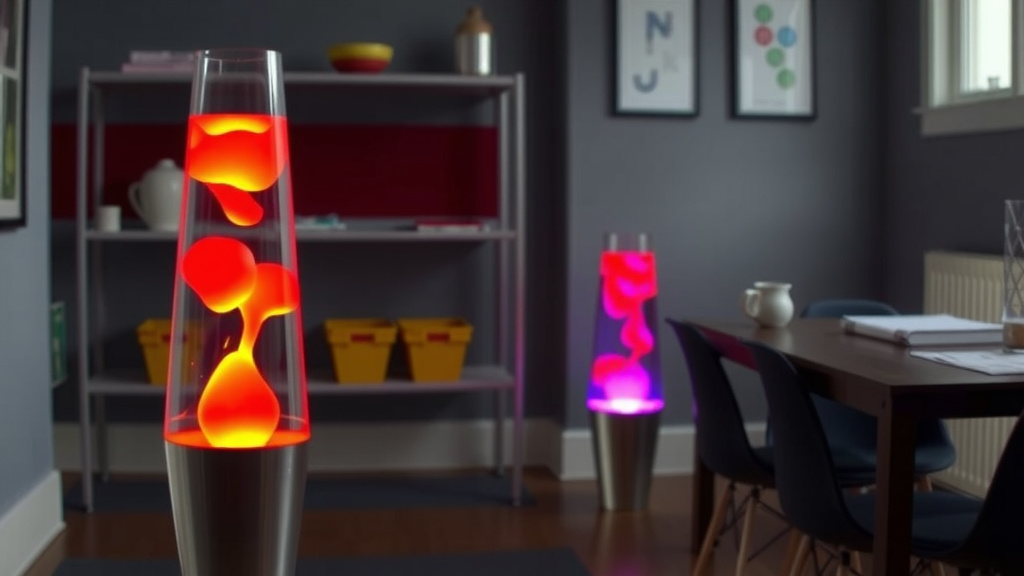
This continuous process of heating, rising, cooling, and sinking is what creates the mesmerizing, flowing, and ever-changing patterns you see. The shapes and sizes of the blobs can vary, making each moment unique.
Why LED Makes a Difference
You might be wondering why LED lava lamps are becoming so popular compared to the older, incandescent bulb versions. LEDs offer some distinct advantages that make them a great choice for your groovy decor.
Energy Efficiency Matters
LEDs are renowned for their energy efficiency. They use significantly less electricity to produce the same amount of light and heat compared to traditional bulbs. This means your LED lava lamp can run longer and cost less to operate. Many guidelines from energy organizations suggest LED lighting as a way to reduce household energy consumption (U.S. Department of Energy).
Longer Lifespan, Less Hassle
LEDs also last much, much longer. You won’t need to worry about replacing a burnt-out bulb as often, if at all. This makes your LED lava lamp a more convenient and lower-maintenance decorative piece. Research indicates that LEDs can last tens of thousands of hours longer than incandescent bulbs.
Consistent Heat Output
LEDs can provide a more consistent and controlled heat output. This helps the lava lamp operate more reliably. The smooth, steady heat ensures the wax can cycle effectively without overheating or taking too long to warm up.
Here’s a quick rundown of what makes your LED lava lamp tick:
- A sealed glass globe containing special liquids.
- A water-based liquid and a uniquely formulated wax.
- An LED base that provides light and necessary heat.
- The principle of density change due to temperature.
- Wax rises when heated and sinks when cooled.
- LEDs offer energy savings and longer life.
Conclusion
You’ve now seen how your LED lava lamp creates its mesmerizing flow. It’s a clever interplay of density changes driven by heat from the LED base. This process, where wax heats, rises, cools, and sinks, results in the captivating patterns you enjoy. By understanding the science, you can better appreciate this unique decorative piece. If your lamp is looking a little dull, consider giving it a gentle clean and ensuring it’s on a stable surface. Enjoy the groovy vibes your LED lava lamp brings to your space!
Frequently Asked Questions
How long does it take for an LED lava lamp to start flowing?
Typically, you’ll see the first signs of movement within 30 to 60 minutes after turning on your LED lava lamp. The special wax needs time to heat up sufficiently from the LED base to become less dense. Keep in mind that room temperature can affect this warm-up time.
Can I use my LED lava lamp continuously?
While LED lava lamps are designed for extended use, it’s generally recommended to let them rest. Running them for 8-10 hours at a time is usually sufficient to enjoy the effect without overheating the components. Allowing it to cool down between uses helps preserve its lifespan.
What if my LED lava lamp isn’t flowing correctly?
If your lamp isn’t flowing, ensure it’s on a level surface and has been on for at least an hour. Sometimes, the wax can get stuck at the top or bottom. Try gently nudging the globe or giving it a slight rotation to encourage movement. Avoid shaking the lamp vigorously.
Are LED lava lamps safe to leave plugged in when not in use?
Yes, LED lava lamps are generally safe to leave plugged in when not in use. The LED component uses very little power when it’s off, and they are designed with safety features. However, always unplug it if you’re going away for an extended period or during a thunderstorm.
Why does the wax in my LED lava lamp form small beads instead of blobs?
This can sometimes happen if the wax isn’t heating evenly or if the liquid has slightly changed its properties over time. Ensure the lamp is on a stable, flat surface and hasn’t been moved recently. If the issue persists, it might indicate that the lamp’s internal mixture is no longer ideal.
![10 Best Book Reading Lamp [2026]](https://bestdesklamp.com/wp-content/uploads/2026/08/10-best-book-reading-lamp-2026-featured-768x432.jpg)