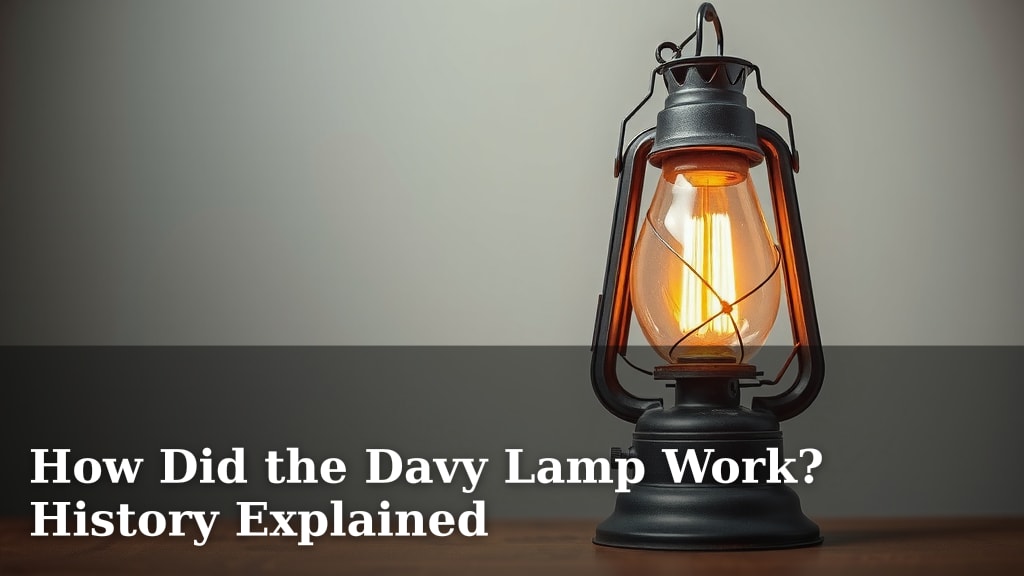
How Did the Davy Lamp Work? History Explained
The Davy Lamp worked by using a fine metal gauze to prevent flame from igniting flammable gases. This ingenious safety device protected miners from deadly explosions. It allowed them to see in dark mines, even where explosive gases were present. Sir Humphry Davy invented it in 1815, saving countless lives.
Before the Davy Lamp, open flames from candles or lamps caused devastating mine fires. These explosions were a constant threat to coal miners. The lamp’s design was a major scientific achievement. It relied on basic physics principles to solve a life-threatening problem.
- The Davy Lamp uses a metal gauze to stop explosions.
- It allowed miners to work safely in gassy mines.
- Sir Humphry Davy invented it to prevent mine disasters.
- It’s a brilliant example of science improving safety.
Let’s walk through exactly how this fascinating invention kept miners safe from fiery explosions.
How the Davy Lamp Prevented Mine Disasters
The Davy Lamp works by cleverly using a fine wire gauze to stop a flame from spreading. This ingenious safety device protected miners from deadly explosions. It allowed them to see in dark mines, even where explosive gases were present. Sir Humphry Davy invented it in 1815, saving countless lives.
Before the Davy Lamp, open flames from candles or lamps caused devastating mine fires. These explosions were a constant threat to coal miners. The lamp’s design was a major scientific achievement. It relied on basic physics principles to solve a life-threatening problem.
The Science Behind the Safety
So, how does this lamp actually keep miners safe from explosive gas, also known as firedamp? It all comes down to heat transfer and flame propagation. You might be surprised by how simple, yet effective, the science is.
Understanding Firedamp and Mine Explosions
Coal mines often contain methane gas, a flammable substance. This gas mixes with the air. When a flame, like from a miner’s lamp or candle, encounters this mixture, it can cause a dangerous explosion. These explosions are incredibly powerful and deadly. They can ignite coal dust too, making the situation even worse.
The Role of the Wire Gauze
The magic of the Davy Lamp lies in its metal gauze shield. This gauze is made of very fine wire, woven tightly together. Think of it like a sieve for flames. When the lamp is lit inside its enclosure, the gauze surrounds the flame. If explosive gas outside the lamp gets hot enough to ignite, the flame tries to escape through the gauze.
Here’s the key: the wire gauze absorbs and dissipates the heat from the flame. Because the wires are so good at conducting heat away, the gas on the other side of the gauze never reaches the necessary ignition temperature. It’s like trying to start a bonfire with a single match that’s been dipped in water. The flame just can’t get hot enough to spread.
Heat Conduction is the Hero
The metal gauze acts as a highly efficient heat sink. When the flame heats up, the metal wires get hot too. These wires then conduct the heat away from the flame into the surrounding air. This process cools the flame down rapidly. It prevents the flame from traveling through the gauze and igniting the external mixture of methane and air. This scientific principle is fundamental to the lamp’s success.
How the Lamp Was Constructed
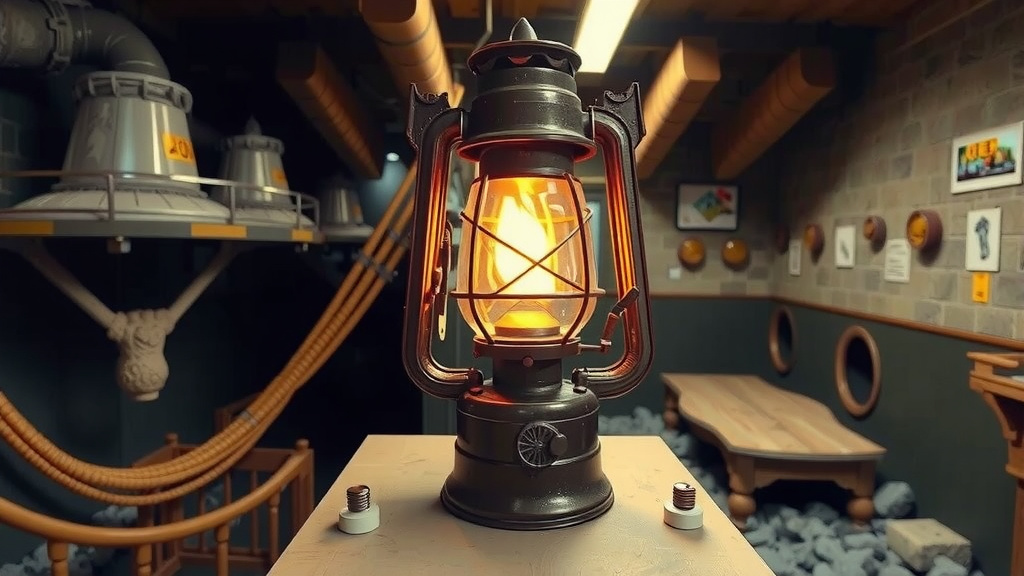
The Davy Lamp itself is quite simple in design. It consists of a fuel reservoir, a wick, and a glass chimney. The critical safety feature is the wire gauze cylinder that fits over the top of the glass chimney. This gauze cylinder is secured firmly in place. It creates a protective cage around the flame.
Miners would often test the lamps before entering the more dangerous parts of the mine. They would observe the flame. If the flame appeared to get longer or burn brighter, it indicated the presence of firedamp. This gave miners a warning, even if the lamp was still preventing an explosion.
The History Leading to the Invention
Before Sir Humphry Davy’s invention, mine safety was a serious concern. Many lives were lost each year due to explosions. Something had to be done to protect the brave men and boys working underground.
The Dangers of Open Flames in Mines
Miners relied on open flames for light. This meant candles or simple oil lamps. These lamps provided the light needed to see their work, but they were also a constant ignition source. In mines with methane gas, even a tiny spark could trigger a catastrophic explosion. These disasters were frequent and devastating.
The Need for a Safer Light Source
The mining community and society at large felt the devastating impact of these explosions. There was a growing recognition that a safer method of illumination was urgently needed. Many brilliant minds were trying to find a solution. The challenge was to provide light without causing the very danger they were trying to avoid.
Sir Humphry Davy’s Contribution
Sir Humphry Davy, a prominent chemist, was asked to investigate the problem. He conducted extensive research into the nature of mine gases and flame. His work led him to understand that by limiting the size of the flame and cooling it, explosions could be prevented. He focused on scientific principles rather than just building a better lamp.
Davy’s research led him to the discovery that a fine wire gauze could act as a flame arrestor. He presented his findings and his lamp design in 1815. His invention was a huge leap forward in mine safety. It directly addressed the root cause of many explosions: the open flame.
Comparing Safety Lamps: Davy vs. Stephenson
It’s interesting to note that another inventor, George Stephenson, was also working on a similar safety lamp around the same time. Both men contributed significantly to mine safety. Their lamps worked on slightly different principles.
| Feature | Davy Lamp | Stephenson Lamp (The “Geordie”) |
|---|---|---|
| Primary Safety Mechanism | Wire gauze to absorb heat and stop flame propagation. | A sealed glass cylinder with air holes at the top, also designed to limit air supply. |
| How it Worked | Flame cooled by heat conduction through gauze. | Limited air supply prevented explosive gas from reaching the flame effectively. |
| Performance in Gas | Would extinguish or burn dimly in very high gas concentrations. | Could sometimes burn brighter, potentially indicating higher gas levels, but was also more prone to failure if not maintained perfectly. |
| Recognition | Widely adopted and highly effective for its time. | Also used, but the Davy Lamp often gained more immediate widespread recognition. |
While both lamps offered improved safety, the Davy Lamp’s reliance on the physical property of heat dissipation through the gauze became the more iconic design. It proved incredibly effective in preventing explosions where open flames would have been disastrous.
Key Takeaways for Miner Safety
The Davy Lamp was more than just a light source; it was a lifesaving invention. Its success demonstrated the power of applying scientific understanding to real-world problems. It brought a new era of safety to the dangerous world of mining.
Consider these important points about the Davy Lamp’s impact:
- It directly prevented explosions caused by methane gas.
- It allowed miners to work longer and see better in dark mines.
- It showed that science could solve critical safety issues.
- The invention drastically reduced the number of mine fatalities.
The Davy Lamp stands as a brilliant example of human ingenuity and its ability to overcome immense challenges. It transformed mining from an even more perilous occupation into one where safety could be a genuine consideration. This invention truly illuminated the path to a safer future for miners.
Conclusion
You’ve learned how the Davy Lamp used a simple yet brilliant scientific principle to save lives. By using a wire gauze to absorb heat, it stopped flames from igniting dangerous mine gases. This invention turned a deadly threat into a manageable risk for miners. It stands as a powerful reminder that science can solve even the most life-threatening problems.
Next time you think about mine safety, remember the Davy Lamp. Consider sharing this knowledge with someone who might appreciate the history of this lifesaving device. It’s a story of ingenuity that deserves to be told.
Frequently Asked Questions
Did the Davy Lamp always work perfectly?
While incredibly effective, the Davy Lamp wasn’t foolproof. In extremely high concentrations of flammable gas, the gauze could overheat. This might cause the flame to pass through, or the lamp could even be extinguished. Regular maintenance and miner awareness were still essential.
What happened if the Davy Lamp showed signs of gas?
Miners were trained to watch the flame inside the lamp. If the flame grew longer or brighter, it indicated the presence of firedamp (methane gas). This was a warning signal, prompting them to stop working and potentially evacuate the area safely.
Was the Davy Lamp the only safety lamp invented?
No, other inventors were also working on safety lamps. George Stephenson developed his “Geordie” lamp around the same time. Both lamps used different methods to prevent explosions, but the Davy Lamp’s design became more widely recognized for its core principle of heat dissipation.
How did the Davy Lamp change mining conditions?
Before the Davy Lamp, mining was far more dangerous due to open flames. This invention allowed miners to work in gassier conditions with much greater safety. It reduced explosions significantly, enabling more consistent work and saving countless lives over the years.
Could a Davy Lamp explode if dropped?
The Davy Lamp was designed to be robust, but dropping it could cause damage. If the glass chimney broke or the gauze was dislodged, the flame could become exposed. This would then risk igniting any surrounding flammable gases, leading to an explosion.