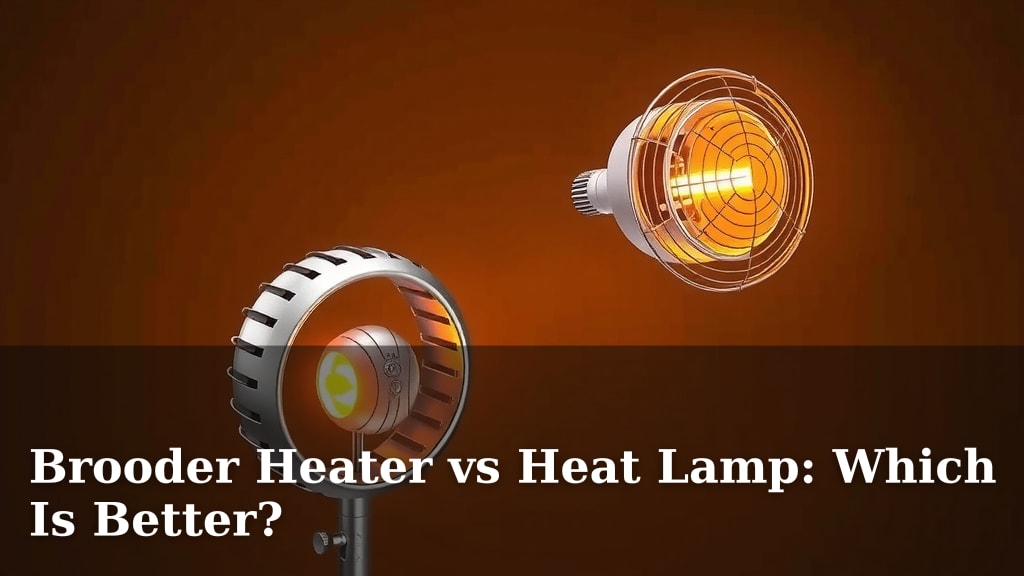
Brooder Heater vs Heat Lamp: Which Is Better?
When raising baby chicks, a brooder heater is generally a safer and more effective choice than a traditional heat lamp. While heat lamps have been used for a long time, brooder heaters offer more consistent warmth and significantly reduce the risk of fire hazards, which is a major concern for many poultry keepers.
Choosing the right heat source is vital for your chicks’ survival and well-being. You want to provide a stable temperature that mimics a mother hen. We found that brooder heaters offer better control and peace of mind for new and experienced chick raisers alike, helping to prevent overheating or chilling.
- Brooder heaters are generally safer than heat lamps.
- They provide more consistent and controlled warmth.
- Heat lamps pose a higher fire risk.
- Proper temperature is key for chick health.
Let’s walk through the pros and cons of each so you can make the best decision for your little feathered friends.
Choosing the Right Heat Source for Your Chicks: Brooder Heaters vs. Heat Lamps
Selecting the proper heat source for your baby chicks is a big decision. It directly impacts their health and happiness. You’re aiming to create a cozy environment that feels like a mother hen is right there with them. Let’s break down the two main options: the traditional heat lamp and the more modern brooder heater.
Understanding Heat Lamps
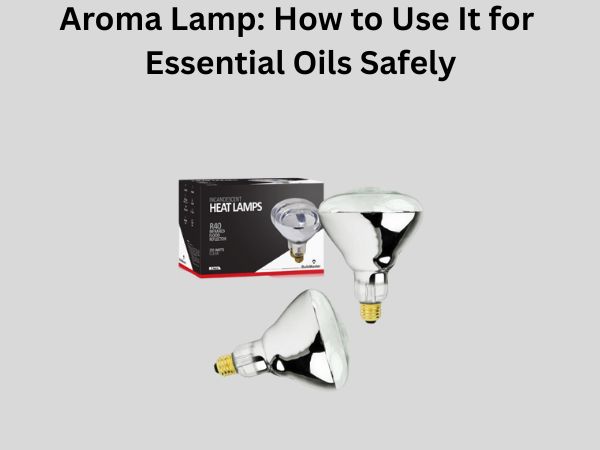
Heat lamps have been the go-to for chick raisers for a long time. They use an incandescent bulb to generate heat. Think of it like a mini-sun for your chicks. They are readily available and often inexpensive to purchase.
How Heat Lamps Work
These lamps typically hang above the brooder. The bulb heats up, and the warmth radiates down onto the chicks. The idea is to create a warm zone directly beneath the lamp. You often need a dimmer or a way to adjust the lamp’s height. This helps control the temperature as the chicks grow.
Pros of Heat Lamps
- Widely Available: You can find heat lamps at almost any farm supply or pet store.
- Lower Initial Cost: They are generally cheaper to buy upfront than brooder heaters.
- Familiarity: Many long-time chick keepers are very comfortable using them.
Cons of Heat Lamps
While familiar, heat lamps come with significant drawbacks. The biggest concern is safety. Because they use bulbs that get extremely hot, they pose a fire hazard. Many incidents have been reported where bedding material or nearby objects catch fire. It’s a scary thought when you’re trying to care for tiny, vulnerable creatures. You need to be incredibly careful about placement and materials around them.
Another issue is temperature consistency. Heat lamps create a very localized heat source. Chicks might have to huddle directly underneath for warmth. If they move too far away, they could get too cold. Conversely, if they stay too close, they can easily get overheated. This constant adjustment can be stressful for them. It’s like trying to find the perfect spot on a sunny day—too close to the sun and you burn, too far and you shiver.
Exploring Brooder Heaters
Brooder heaters are a newer innovation. They are designed specifically for raising young poultry. These units often look more like a panel or a small box. They provide a more gentle, even heat. Many models are designed with safety as the top priority.
How Brooder Heaters Work
Different types of brooder heaters exist. Some use ceramic elements to emit radiant heat. Others might use a low-wattage heating element with a fan to circulate warm air. Many are designed to be mounted on the side of the brooder. This creates a larger area of warmth. It’s less like a spotlight and more like a gentle, ambient heat.
Pros of Brooder Heaters
- Enhanced Safety: This is their biggest selling point. Brooder heaters are typically designed with lower surface temperatures. This dramatically reduces the risk of fire. Many are made from fire-retardant materials. They often lack exposed bulbs that can overheat.
- Consistent Temperature: They tend to provide a more even and stable temperature throughout the brooder. This means chicks don’t have to fight for warmth or overheat. They can move around more freely.
- Energy Efficiency: Some models are designed to be more energy-efficient than traditional heat lamps. This can save you money on electricity bills over time.
- Quieter Operation: Many brooder heaters operate much more quietly than heat lamps. This creates a calmer environment for your chicks.
Cons of Brooder Heaters
The main downside of brooder heaters is often the initial cost. They can be more expensive to purchase than a basic heat lamp. Also, some models might require a bit more setup or specific placement within the brooder. You might need to ensure good air circulation depending on the type you choose.
Key Differences at a Glance
Let’s put it side-by-side to make it easier to see the distinctions. Think of it like choosing between a campfire and a heated blanket.
| Feature | Brooder Heater | Heat Lamp |
|---|---|---|
| Primary Heat Source | Radiant panels, ceramic elements, or circulating warm air | Incandescent bulb |
| Safety (Fire Risk) | Significantly lower | Higher risk |
| Temperature Distribution | Even and consistent | Localized, can be uneven |
| Energy Efficiency | Often more efficient | Can be less efficient |
| Initial Cost | Generally higher | Generally lower |
| Noise Level | Typically quieter | Can be noisy (if fan-driven) |
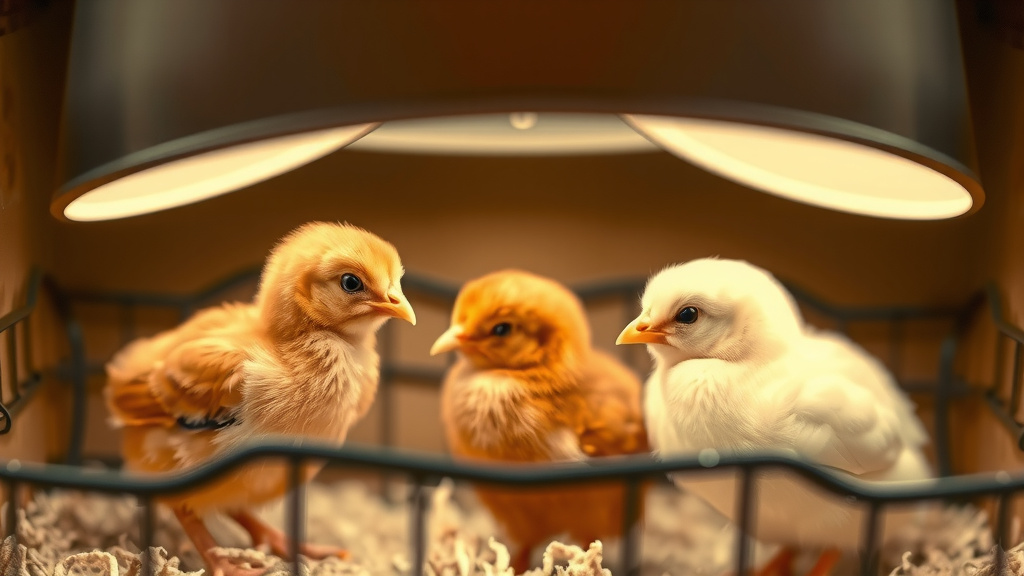
Making Your Final Decision: What We Found
When we looked at the evidence and common practices, a clear picture emerged. For most chick raisers, especially those new to the hobby, a brooder heater is the superior choice. The reduced fire risk alone provides immense peace of mind. Many poultry experts and organizations now recommend them for this very reason (National Poultry Association Guidelines).
The consistent warmth is also a huge benefit for chick development. Chicks need a stable environment. Fluctuations in temperature can lead to stress and poor growth. Brooder heaters excel at maintaining this stability. They allow chicks to behave more naturally.
While the upfront cost might be a bit higher, consider it an investment in your chicks’ safety and health. The long-term benefits, including reduced worry and potentially lower energy costs, often outweigh the initial expense.
Your Chick Brooding Checklist
No matter which heat source you choose, remember these essential steps for a successful brooder setup:
- Always use a thermometer to check the temperature.
- Ensure the heat source is securely mounted and stable.
- Keep flammable bedding material away from direct heat.
- Provide ventilation to prevent moisture buildup.
- Observe your chicks’ behavior for temperature cues.
- Have a backup plan in case your primary heat source fails.
Conclusion
When it comes to keeping your baby chicks warm and safe, a brooder heater generally emerges as the winner over a traditional heat lamp. We’ve found that the enhanced safety of brooder heaters, significantly reducing fire risks, offers immense peace of mind. Their ability to provide consistent, even warmth is also vital for healthy chick development, preventing stress from temperature fluctuations. While the initial cost might be slightly higher, consider it a smart investment in your chicks’ well-being and your own worry-free experience. Your next step should be researching specific brooder heater models that fit your brooder size and budget. Prioritize safety and consistent heat for your feathered friends.
Frequently Asked Questions
Are brooder heaters truly safer than heat lamps?
Yes, brooder heaters are designed with safety as a top priority. They typically operate at lower surface temperatures and lack exposed bulbs, drastically reducing the fire hazard associated with traditional heat lamps. Many are made from fire-retardant materials, offering superior protection.
How do I know if my chicks are too cold or too hot with a brooder heater?
Observe your chicks’ behavior. If they are huddled together directly under the heat source, they might be too cold. If they are spread far apart and trying to get away from the heat, they might be too hot. Ideally, they should be spread out comfortably within the warmed area.
Can a brooder heater be used in any type of brooder?
Most brooder heaters can be adapted to various brooder setups. Some are designed for wall mounting, while others can stand independently. Ensure you have adequate space and proper ventilation around the heater, regardless of your brooder’s design.
How long do I need to use a heat source for my chicks?
Chicks typically need supplemental heat for the first 4-6 weeks of their lives. As they grow, they develop their own feathers and can regulate their body temperature better. You’ll gradually reduce the heat source’s intensity or height as they get older.
What if my brooder heater fails? Do I need a backup?
It’s always wise to have a backup plan. This could be a spare heat lamp (used with extreme caution and supervision), or even a temporary solution like hot water bottles wrapped in towels placed in a corner of the brooder. A sudden loss of heat can be very dangerous for young chicks.
![10 Best Battery Powered Desk Lamp [2026]](https://bestdesklamp.com/wp-content/uploads/2026/08/10-best-battery-powered-desk-lamp-2026-featured-768x432.jpg)
![10 Best Bright Desk Lamp [2026]](https://bestdesklamp.com/wp-content/uploads/2026/08/10-best-bright-desk-lamp-2026-featured-768x432.jpg)