How Long Do Baby Peeps Need a Heat Lamp
When raising baby chicks, you’ll need a heat lamp for about 4 to 7 weeks. This duration depends on the chicks’ age and the ambient room temperature. They require a heat source to maintain their body temperature until they grow thicker feathers and can regulate it themselves. Always monitor your chicks closely to ensure they are comfortable and adjusting well to the heat.
The exact timeline for needing a heat lamp can vary. Chicks that are very young, just a few days old, will need a warmer environment than those a few weeks into their development. Room temperature also plays a big role; a cooler room means they’ll need the lamp for longer. We found that adjusting the lamp’s height is key to controlling the temperature accurately.
- Chicks typically need a heat lamp for 4-7 weeks.
- Younger chicks need more consistent, higher heat.
- Room temperature significantly impacts the duration.
- Adjusting the lamp’s height is crucial for temperature control.
- Watch your chicks for signs of being too hot or too cold.
Let’s walk through exactly how long you should keep that heat lamp on for your little fluffballs and how to tell if they’re getting the right amount of warmth.
Your Guide to Chick Heat Lamp Duration
So, you’ve got some adorable little peeps chirping around your brooder! It’s an exciting time, but you’re probably wondering, “Just how long do these little guys need that heat lamp?” It’s a common question, and the answer isn’t a single, simple number. We’ve found that it really boils down to a few key factors. Learn about the brooder vs heat lamp debate to make the best choice for your chicks.
Understanding Chick Temperature Needs
Baby chicks can’t regulate their own body temperature very well when they’re first hatched. They rely on an external heat source to stay warm and healthy. Think of it like a baby bird that hasn’t grown its full set of feathers yet. Without adequate warmth, they can get chilled, which can lead to a host of health problems, including stunted growth and increased susceptibility to diseases.
Why Chicks Need That Heat
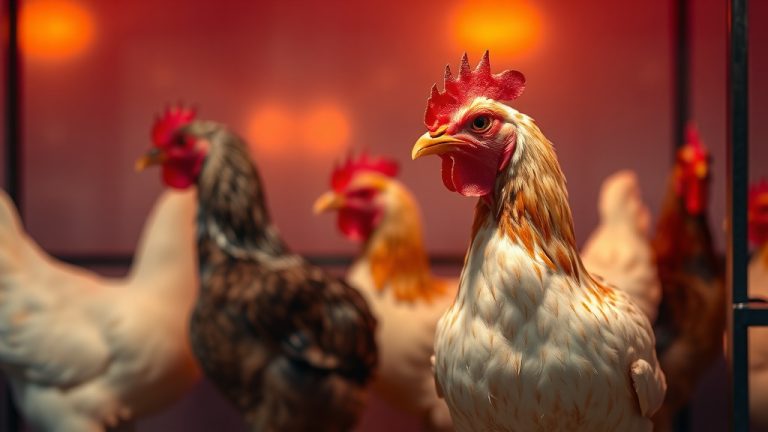
Newly hatched chicks come from a warm, stable environment inside the egg. When they enter the world, they are suddenly exposed to much cooler temperatures. Their downy fluff provides some insulation, but it’s not enough to keep them comfortable on its own. This is where your heat lamp comes in, acting as a surrogate mother hen.
The Role of Ambient Room Temperature
The temperature of the room where your chicks are housed plays a huge role. If you keep your chicks in a drafty garage or a cooler basement, they will naturally need more supplemental heat. Conversely, if your home is kept at a warmer temperature, you might be able to reduce the heat lamp’s intensity or duration sooner. We’ve found that keeping the brooder area itself at a consistent temperature is key.
When to Start Adjusting the Heat
The most important thing to remember is that you don’t just turn the heat lamp on and forget about it. Chicks grow and develop rapidly, and their needs change day by day. You’ll need to gradually decrease the heat over several weeks. This allows them to adapt to cooler temperatures and start developing their own internal temperature regulation.
The First Week: Maximum Warmth Needed
In their very first week of life, chicks are the most vulnerable. They need a temperature of about 95°F (35°C) directly under the heat lamp. This is the most critical period for them to get enough warmth. Many experts recommend using a thermometer to accurately gauge the temperature at chick level.
Subsequent Weeks: Gradual Reduction
For the following weeks, you’ll want to decrease the temperature by about 5°F (2.8°C) each week. This steady reduction helps them acclimate. So, week two might aim for 90°F (32°C), week three for 85°F (29.4°C), and so on. This gradual adjustment is crucial for their development.
How to Adjust the Heat
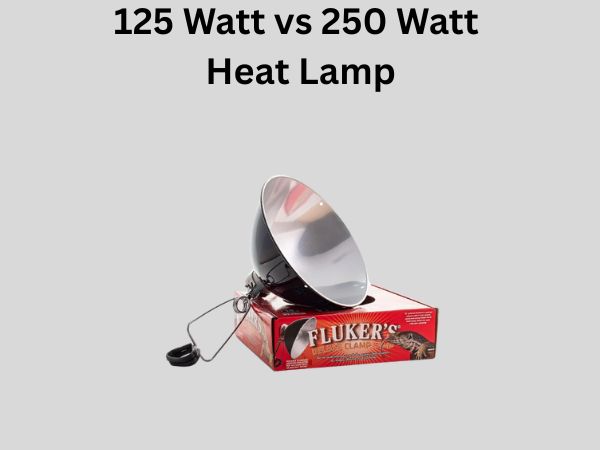
The easiest way to adjust the heat is by changing the height of the heat lamp. Raising the lamp will lower the temperature under it. Lowering the lamp will increase the temperature. This method allows for fine-tuning without needing multiple heat sources. We found that a simple adjustable lamp stand works wonderfully for this purpose.
Signs Your Chicks Are Comfortable (or Not!)
Your chicks will give you clues about whether they’re getting the right amount of heat. Observing their behavior is your best tool.
- Too Cold: If your chicks are huddled together in a tight ball directly under the heat lamp, chirping loudly and constantly, they are likely too cold. They might also seem lethargic or shiver.
- Too Hot: If the chicks are spread far apart, panting, holding their wings away from their bodies, or trying to get as far away from the heat lamp as possible, they are too hot. They might also seem listless.
- Just Right: When the temperature is perfect, your chicks will be active and spread out somewhat evenly around the brooder, moving freely between the warmer and cooler zones. They will eat, drink, and sleep comfortably without extreme huddling or avoidance.
Typical Heat Lamp Timeline Breakdown
While every situation is a bit different, here’s a general guideline we’ve seen work well for most backyard flocks. Remember to always adjust based on your chicks’ behavior and the ambient room temperature.
| Chick Age | Target Temperature (under lamp) | Notes |
|---|---|---|
| Week 1 | 95°F (35°C) | Chicks are very dependent on heat. |
| Week 2 | 90°F (32°C) | Gradually raise the lamp. |
| Week 3 | 85°F (29.4°C) | Observe chick behavior closely. |
| Week 4 | 80°F (26.7°C) | They are starting to grow better feathers. |
| Week 5 | 75°F (23.9°C) | Can often transition to slightly cooler temps. |
| Week 6-7 | Room temperature (approx. 70°F/21°C) | Heat lamp can usually be removed completely. |
When to Consider Removing the Heat Lamp
You’ll know it’s time to say goodbye to the heat lamp when your chicks have developed a good set of feathers and can easily maintain their body temperature. This usually occurs between 4 and 7 weeks of age. If you can confidently move them to a draft-free coop that stays above 70°F (21°C) without them showing signs of being cold, it’s probably time to turn off the lamp for good.
A Quick Chick Comfort Checklist
Keep this handy to make sure your little ones are thriving:
- Check the temperature with a thermometer daily, especially at first.
- Observe chicks for signs of being too hot or too cold.
- Adjust lamp height as chicks grow and room temperature changes.
- Ensure chicks have space to move away from the heat source.
- Watch their feather development as an indicator of heat independence.
- Be prepared to adjust the timeline based on your specific flock’s needs.
Conclusion
You’ve learned that providing the right heat for your chicks is a journey, not a destination. Remember, the typical heat lamp duration is 4 to 7 weeks, but your chicks’ comfort is your ultimate guide. By observing their behavior and adjusting the lamp’s height, you ensure they grow strong and healthy.
As they develop thicker feathers and better regulate their own body temperature, you can gradually wean them off the heat. Trust your eyes and your chicks’ cues to know when it’s time to remove the lamp. Your goal is to help them transition smoothly to their permanent home. Pay close attention to their needs, and you’ll raise a happy, thriving flock!
Frequently Asked Questions
Can I remove the heat lamp earlier if the room is warm?
Yes, you can often remove the heat lamp earlier if your brooder area is consistently warm, ideally around 70°F (21°C). Watch your chicks closely for any signs they are too cold, such as huddling. You want to ensure they can maintain their body temperature independently before removing the heat source entirely.
What if my chicks are spread out evenly under the lamp?
If your chicks are spread out evenly and are active, that’s a great sign they’re comfortable! It means they have access to warmth but also space to cool down if needed. This behavior indicates your temperature is likely just right.
Should I use a thermometer even if my chicks look fine?
We highly recommend using a thermometer, especially in the first few weeks. While chick behavior is a great indicator, a thermometer provides an objective measurement of the temperature directly beneath the lamp. This helps you fine-tune the lamp’s height accurately and prevent issues before they become apparent in the chicks’ behavior.
How do I know if my chicks have enough feathers to not need a heat lamp?
You’ll notice their downy fluff is being replaced by proper feathers, especially on their backs and wings. When they have a good, solid coat of feathers and no longer seek out intense heat, they are likely ready to be independent of the heat lamp. You can test this by turning the lamp off for a few hours and observing their behavior.
Is it okay for chicks to be in a slightly cooler room if they have a heat lamp?
It’s generally best to keep the ambient room temperature of your brooder area moderate, around 70°F (21°C) or slightly higher, even with a heat lamp. A heat lamp is meant to provide supplemental warmth to a chicks’ specific zone, not to heat an entire cold room. Keeping the room temperature stable helps prevent drafts and ensures their overall environment is comfortable.