How Long to Leave a Heat Lamp On for Bearded Dragons
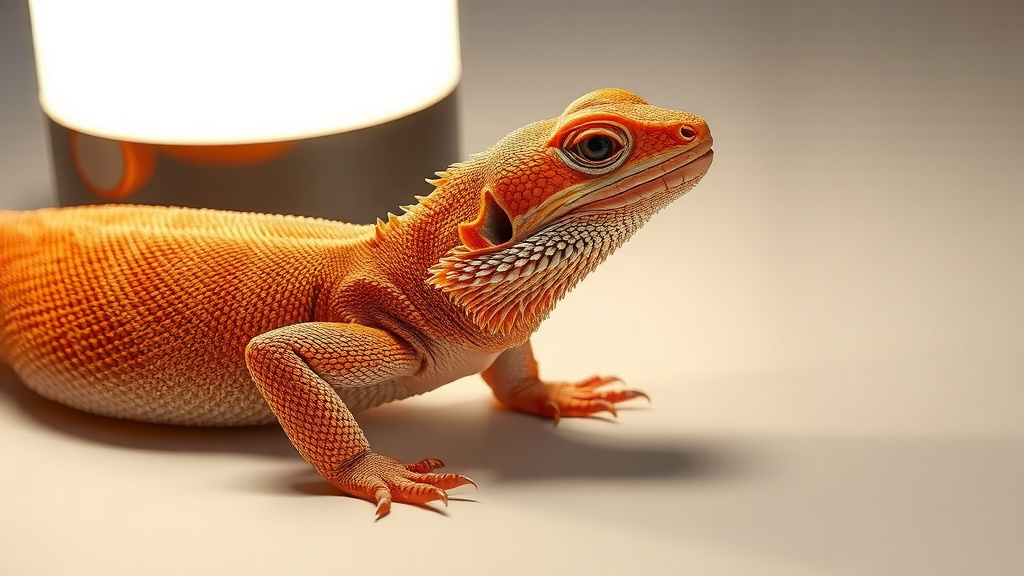
You should leave your bearded dragon’s heat lamp on for 10 to 12 hours every day. This matches the natural daylight cycle they’d get in the Australian desert, and it keeps their tank at the right temperature during waking hours. When the lights go off at night, so does the heat lamp.
Here’s the thing: bearded dragons are cold-blooded, which means they rely on you to stay warm. Too little heat and they can’t digest food properly. Too much heat (or heat at night) can stress them out and mess with their sleep. We researched the top vet and breeder guidelines and found that getting the timing right matters just as much as the bulb itself.
- Keep the heat lamp on for 10–12 hours daily, ideally on a timer.
- Turn it off completely at night so your dragon can sleep.
- Use a timer so you never forget to switch it on or off.
- Check that the basking spot hits the right temperature range, not just the hours.
- If your tank dips below 65°F at night, consider a ceramic heat emitter instead.
Below, we break down everything you need to know about heat lamp timing, night-time temperatures, and the small mistakes that trip up new owners. Let’s get your dragon’s setup dialed in.
Setting the Right Heat Lamp Schedule for Your Bearded Dragon
The simplest answer is this: match your dragon’s lights to the sun. On in the morning, off in the evening, 10 to 12 hours total. Think of it like a tiny desert sunrise and sunset inside your living room.
We found that most vets and experienced breeders agree on this window. Why? Because bearded dragons come from Australia, where daylight runs fairly consistent year-round. Their bodies expect a steady rhythm, not random on-and-off hours that change every week.
Here’s a quick rule of thumb. If you’re forgetful like many of us, plug both your heat lamp and UVB light into a cheap outlet timer. Set it once, and your dragon’s schedule runs itself. It’s the closest thing to autopilot in the reptile world.
Why the Timing Matters So Much
Bearded dragons can’t make their own body heat. They borrow it from their environment. When your dragon basks, it warms up enough to digest food, move around, and fight off illness.
Many experts say the basking window directly affects digestion. A dragon that eats a meal but doesn’t get enough warm hours afterward may deal with undigested food sitting in its gut. That can lead to serious health trouble over time (research on reptile husbandry from veterinary sources supports this).
On the flip side, heat that never shuts off keeps your dragon’s body running in overdrive. They need a nighttime cooldown to rest properly, just like you sleep better in a cool, dark room.
What Happens When Hours Are Too Short
Under 8 hours of heat and your dragon starts running out of warm time. You might notice sluggish behavior, poor appetite, or food sitting undigested after meals.
Short days also mess with their internal clock. Reptiles use light cycles to regulate seasonal behavior, appetite, and activity levels, according to studies on reptile photoperiods (NIH).
What Happens When Hours Are Too Long
Leave heat running 16 or 18 hours a day and your dragon never gets a real night. You may see stress marks on the belly, restlessness, or a dragon that hides more than usual.
Constant light and heat can also throw off breeding cycles and appetite patterns. More isn’t better here. It’s just more.
Should You Turn the Heat Lamp Off at Night?
Yes, turn it off. Every single night. This surprises some new owners, so let’s clear it up.
A heat lamp glows, and that glow signals “daytime” to your dragon’s brain. Even a dim bulb can disrupt sleep, and sleep matters just as much for reptiles as it does for us (Cleveland Clinic notes that light exposure affects sleep quality across species).
How Cold Is Too Cold at Night?
Most guidelines say your tank can safely drop to around 65 to 70°F overnight. That’s a natural cooldown, not a danger. A drop below 65°F, though, gets risky, especially for young dragons or sick ones.
Here’s a simple temperature guide to keep handy:
| Time of Day | Basking Spot | Cool Side |
|---|---|---|
| Daytime (lights on) | 95–110°F | 75–85°F |
| Nighttime (lights off) | 65–70°F minimum | 65–70°F minimum |
Best Nighttime Heating Options
If your home gets chilly after dark, don’t reach for a colored bulb. Here’s what actually works:
- Ceramic heat emitter: Produces heat with zero light. The top pick for most owners.
- Deep heat projector: Heats the dragon itself, not just the air. A solid newer option.
- Thermostat plug: Pairs with either device to keep temps from climbing too high.
Skip the red and purple “night bulbs” sold at pet stores. Even though they claim to be invisible to reptiles, we found that many owners report better sleep with lightless heat sources. Why take the chance?
Seasonal Adjustments and Room Temperature
Your dragon’s schedule doesn’t need to change much with the seasons, but your room does matter. A tank in a cold basement needs more help at night than one in a cozy bedroom.
In winter, check nighttime temps more often. A tank that held 70°F in July might dip to 60°F in January. That’s when a ceramic emitter earns its keep.
Using a Timer the Smart Way
Grab a basic mechanical timer for about $10. Set it for your preferred window. Done. Some owners like 7 AM to 7 PM, others prefer 8 AM to 8 PM. Either works, just stay consistent.
One tip from our research: check the timer after power outages. A flickered breaker can silently reset your dragon’s whole schedule.
Quick Checklist for Daily Heat Lamp Success
Before you walk away from the tank each morning, run through this:
- Lights turned on automatically (timer working correctly)
- Basking spot reads 95–110°F with a digital thermometer or temp gun
- Cool side sits in the 75–85°F range
- Bulb hasn’t burned out or dimmed with age
- Nothing blocking the lamp, like a mesh cover layered too thick
- Nighttime plan ready if temps will drop below 65°F
That’s it. Sixty seconds of checking, and your dragon gets a setup that mirrors the Australian outback, minus the spiders.
Conclusion
Getting your dragon’s heat lamp schedule right comes down to a simple rhythm: 10 to 12 hours on, full darkness off. Your dragon digests better, sleeps better, and acts more like its happy desert self when the routine stays steady. A cheap timer handles most of the work for you, and a quick daily temp check catches problems before they start. If your nights run cold, a ceramic heat emitter keeps things cozy without disturbing sleep. We found that owners who nail the schedule early avoid most heat-related health issues down the road. So grab a timer, set it for 7 to 7, and check that basking spot tomorrow morning. Your dragon will thank you.
Frequently Asked Questions
Can I leave my bearded dragon’s heat lamp on 24 hours a day?
We don’t recommend it. Your dragon needs a nighttime cooldown to rest and regulate its body. Constant heat keeps its metabolism running nonstop, which can lead to stress and long-term health problems.
Do baby bearded dragons need more heat lamp hours than adults?
Not more hours, just more attention to temperature. Babies need their basking spot to stay reliably warm because they eat more and digest more often. Keep the same 10 to 12 hour window, but check temps daily.
What if I forget to turn the heat lamp on one morning?
One missed morning won’t hurt a healthy dragon, but don’t make it a habit. Skip feeding until the lamp is back on so food doesn’t sit undigested. A timer removes this worry completely.
Should the heat lamp and UVB light be on the same timer?
Yes, and it makes life easier. Both should follow the same day and night cycle, since your dragon expects light and warmth together during waking hours. One timer with two outlets handles both bulbs.
How long do heat lamp bulbs last before I should replace them?
Most basking bulbs need replacing every 6 to 12 months, even if they still light up. They dim and weaken with age, which drops your basking temps without you noticing. Test the spot with a temp gun monthly.