Himalayan Salt Lamp: White vs Pink Compared
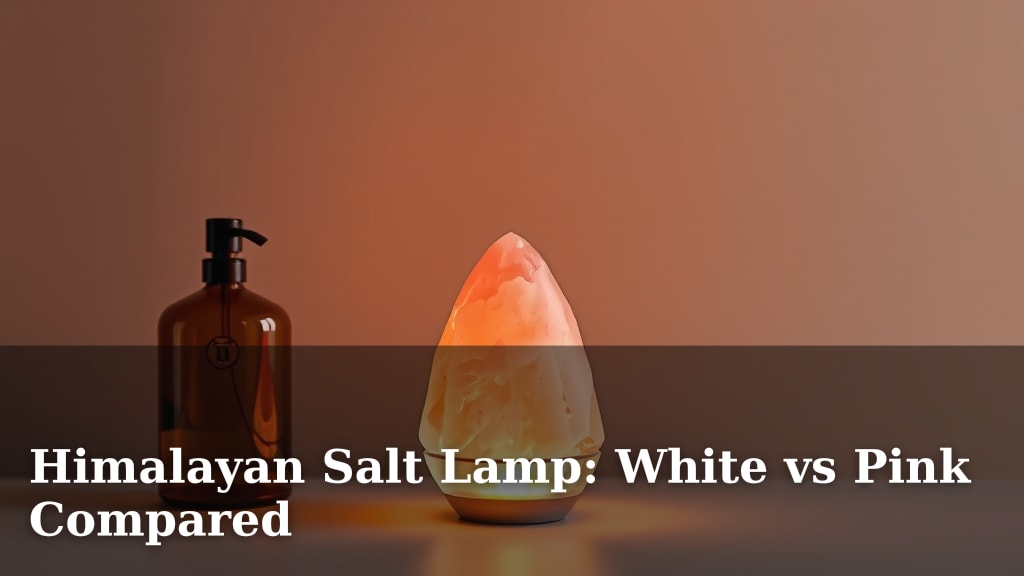
When comparing Himalayan salt lamps, both white and pink versions offer similar benefits, but pink Himalayan salt lamps are generally more common and easier to find. The primary difference lies in their color, which comes from varying mineral content. Pink salt gets its color from iron oxide, while white salt has less iron oxide, making it appear clearer or whiter.
You might be wondering if the color affects the lamp’s purported health benefits, like air purification or mood enhancement. Research and expert opinions suggest that while the aesthetic is different, the core properties of Himalayan salt remain consistent. Both lamps are made from the same type of rock salt, mined from the Punjab region of Pakistan. The unique crystalline structure is what’s believed to influence the air.
- Pink Himalayan salt lamps are most popular due to their vibrant color.
- White Himalayan salt lamps are less common but offer similar potential benefits.
- Color differences are due to varying mineral content, especially iron oxide.
- Both types are sourced from the same salt mines in Pakistan.
- Aesthetic appeal is the main distinguishing factor for most users.
Let’s dive into the details to help you decide which color might be the perfect fit for your space.
Understanding Your Himalayan Salt Lamp: Pink vs. White Salt
So, you’ve heard about Himalayan salt lamps and their potential glow. Now you’re faced with a colorful choice: pink or white? It’s a common question, and thankfully, the answer is pretty straightforward. Both pink and white Himalayan salt lamps come from the same ancient salt mines in Pakistan. The main difference you’ll notice is the color, and this comes down to the mineral content.
What Gives Pink Salt Its Signature Hue?
That beautiful, soft pink color in your lamp is primarily due to the presence of iron oxide. Think of it like rust, but on a much grander, crystalline scale! The more iron oxide present in the salt rock, the deeper and more vibrant the pink hue. This is the most popular color, and you’ll often find it described as having a warm, inviting glow. Many people choose the pink lamps for their aesthetic appeal in living rooms or bedrooms. We found that this natural coloration is what makes the pink variety so widely available and recognizable.
Why Might White Salt Lamps Appear Whiter?
White Himalayan salt lamps have a less pronounced pink color. This means they contain less iron oxide, or at least, the iron oxide is distributed differently. Some might appear almost clear, while others have a very pale, milky white tone. If you’re aiming for a more neutral, minimalist look, a white salt lamp could be a fantastic choice. They blend in well with various decor styles without adding a strong color accent. We found that while less common, their subtle appearance is often preferred by those seeking a more understated ambiance.
Comparing the Core Properties: Are They Really Different?
When we talk about the potential benefits of Himalayan salt lamps, like air purification or creating a relaxing atmosphere, the science behind it is thought to be linked to the salt’s crystalline structure and how it interacts with heat. Many sources suggest that when the lamp is heated by the bulb inside, it can release negative ions into the air. These negative ions are believed by some to attach to positive ions (like dust, pollen, and pollutants), making them heavier and causing them to fall out of the air. It’s a bit like nature’s air freshener, if you will.
The Science (or Lack Thereof) Behind Ion Release
It’s important to note that the exact extent and impact of this negative ion release from salt lamps are still subjects of ongoing discussion and research. Some studies suggest a measurable effect, while others are less conclusive. For instance, a report from the National Institutes of Health indicated that the number of negative ions produced by typical salt lamps is quite small and unlikely to have a significant impact on air quality in a room.
However, many users anecdotally report feeling a difference in their environment. The primary mechanism believed to be at play involves hygroscopy – the salt attracting moisture from the air. When this moisture evaporates, it’s thought to leave behind impurities. Whether pink or white, the salt itself possesses this hygroscopic property. We found that the core physical properties of the salt are consistent, regardless of the exact mineral variations.
What About the Light Itself?
The light emitted from a Himalayan salt lamp is generally warm and soft. This is partly due to the salt’s natural color, and partly due to the type of bulb typically used. Whether you choose pink or white, you’re likely to get a cozy, ambient glow. The intensity of the color might slightly influence the overall tone of the light, with pink lamps often producing a warmer, more reddish-orange light, and white lamps a cleaner, more neutral light.
Think of it like choosing a light bulb for your reading lamp. A warmer bulb creates a cozier feel, while a cooler bulb might feel more energizing. The salt lamp’s color acts in a similar way. For a relaxing evening, many people find the soft, warm light from either lamp to be incredibly soothing. We found that the choice often comes down to personal preference for the light’s color temperature.
Common Questions About White vs. Pink Salt Lamps
You might be wondering if one color is “better” than the other. Based on what we’ve found, the primary difference is aesthetic. The purported health benefits are generally attributed to the salt itself, regardless of its precise mineral makeup that dictates color.
Is One Type More Beneficial Than the Other?
From a health perspective, research and expert opinions tend to suggest that the benefits are largely comparable. The key components are the salt crystals and the heat from the bulb. The subtle variations in iron oxide content that create the color difference aren’t generally considered to impact the ion-generating or air-purifying properties in a significant way. Many sources, including those looking at air purification claims (like reports from the Environmental Protection Agency), suggest that the primary impact on air quality comes from filtration systems, not necessarily from salt lamps.
So, if you’re looking for a lamp purely for its potential health benefits, either pink or white should serve your purpose. The choice then hinges on what you find most appealing visually. We found that consistent use, proper bulb wattage, and placement in the room are often cited as more critical factors than the specific color of the salt itself.
Where Do They Come From?
Both white and pink Himalayan salt lamps are sourced from the Khewra Salt Mine and surrounding mines in the Punjab region of Pakistan. This is the second-largest salt mine in the world. The salt is mined, then carved into various shapes and sizes to create the lamps we see today. The journey from mine to your home is quite something! It’s the same geological formation, the same ancient sea salt deposits, that give us both colors.
Making Your Choice: What to Consider
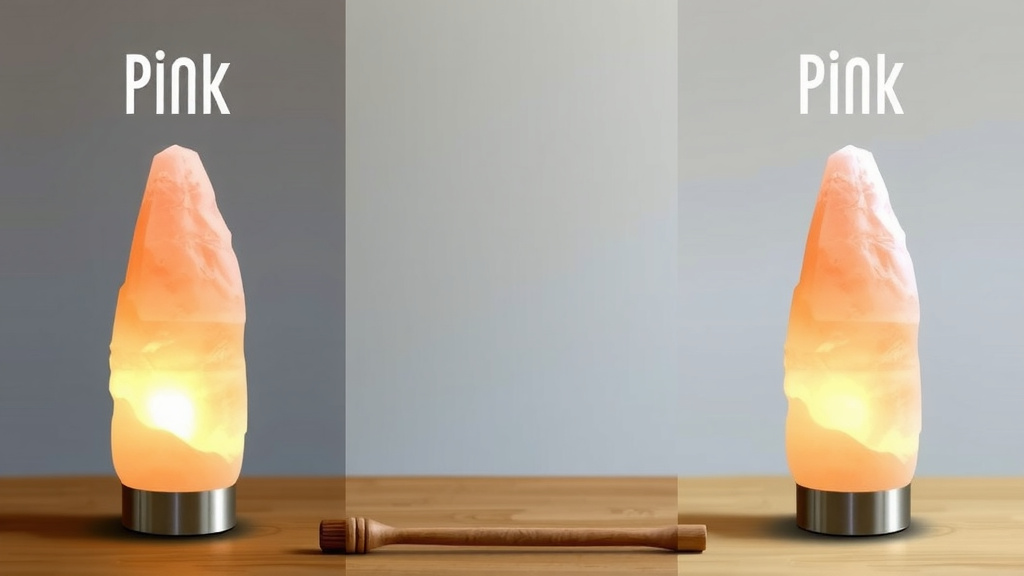
Deciding between a pink and white Himalayan salt lamp often comes down to your personal style and the ambiance you wish to create. Here’s a quick checklist to help you decide:
- Consider your decor: Does your room have warm tones or cooler tones?
- Think about the mood: Do you want a vibrant, warm glow or a more neutral, subtle light?
- Visual appeal: Which color do you simply find more beautiful?
- Availability: Pink lamps are generally more common and easier to find.
- Potential benefits: Both types offer similar believed benefits.
Here’s a little table to sum up the main differences you’ll encounter:
| Feature | Pink Himalayan Salt Lamp | White Himalayan Salt Lamp |
|---|---|---|
| Color | Vibrant pink to reddish-orange | Clear to milky white |
| Key Coloring Agent | Higher concentration of iron oxide | Lower concentration of iron oxide |
| Aesthetic | Warm, inviting, colorful glow | Neutral, subtle, clean light |
| Availability | Most common, widely available | Less common, might require more searching |
| Source | Punjab region, Pakistan | Punjab region, Pakistan |
| Believed Benefits | Similar to white (air purification, ambiance) | Similar to pink (air purification, ambiance) |
Conclusion
Ultimately, choosing between a pink and white Himalayan salt lamp comes down to your personal taste. We’ve found that both types share the same origin and the same fundamental properties. The distinct colors, from vibrant pink to subtle white, are simply a result of mineral variations like iron oxide. While the claims about significant health benefits like air purification are debated, many users enjoy the warm, ambient glow these lamps provide. Consider the mood and decor you’re aiming for, and select the color that best complements your space.
Your next step is to visualize how each color would fit into your home. Imagine the warm glow of a pink lamp or the clean ambiance of a white one, and let that guide your choice for a beautiful and atmospheric addition to your room.
Frequently Asked Questions
Are white Himalayan salt lamps less common to find?
Yes, white Himalayan salt lamps are generally less common than their pink counterparts. You might need to search a bit more at specialty stores or online retailers to find them. This is mainly due to the natural prevalence of pink-hued salt deposits in the mines.
Does the color of the salt lamp affect its light output?
The color of the salt can subtly influence the light’s tone. Pink lamps often emit a warmer, more reddish-orange light, while white lamps tend to produce a cleaner, more neutral light. The intensity of the glow will depend more on the bulb wattage used.
Is one color of salt lamp better for air purification?
Research and expert opinions suggest that the color of the salt doesn’t significantly impact its air-purifying capabilities. Both pink and white lamps work on the same principle of attracting moisture and potential impurities from the air. Any perceived benefits are believed to be similar across both colors.
Can I use any type of light bulb in my salt lamp?
It’s recommended to use low-wattage incandescent or LED bulbs that generate a gentle heat. Very high wattage bulbs can cause the salt to “sweat” excessively and may not be suitable. Always check the manufacturer’s recommendations for your specific lamp.
How do I maintain my Himalayan salt lamp, regardless of color?
To maintain your lamp, keep it dry and dust it gently with a soft cloth. If it appears to be sweating (moist), wipe it with a dry cloth and turn the lamp on for a few hours to help it dry out. Avoid placing it in humid environments like bathrooms.

![10 Best Curing Lamp [2026]](https://bestdesklamp.com/wp-content/uploads/2026/09/10-best-curing-lamp-2026-featured-768x432.jpg)