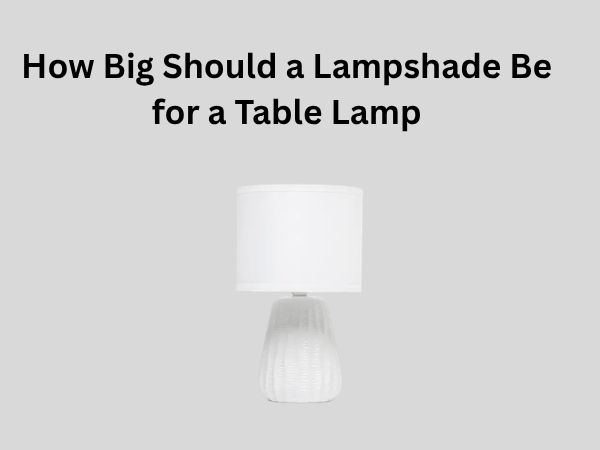
How Big Should a Lampshade Be for a Table Lamp? Your Complete Styling Guide
Have you ever walked into a room and felt like something was just off about the lighting setup? Often, it’s not the lamp itself that’s the culprit—it’s the lampshade size. Getting the proportions right between your table lamp and its shade can completely transform how your space looks and feels. Think of it like wearing the right size hat: too small and it looks silly, too large and it overwhelms your features. The same principle applies to lampshades.
In this guide, I’m going to walk you through everything you need to know about selecting the perfect lampshade size for your table lamp. Whether you’re decorating a bedroom, office, or living room, understanding these proportions will help you make an informed decision that enhances both the aesthetics and functionality of your space.
Understanding Lampshade Proportions: The Foundation of Good Design
When we talk about lampshade proportions, we’re really discussing the relationship between the lamp’s base, stem, and the shade itself. This relationship determines whether your lamp looks balanced or awkward. The goal isn’t just to have a shade that fits technically—it’s to create visual harmony.
Most design professionals follow what’s called the one-third rule. Essentially, your lampshade should take up roughly one-third of your lamp’s total height when everything is assembled. This creates a pleasing visual balance that feels natural to the eye without conscious thought.
The Golden Rule: Measuring Your Table Lamp Correctly
Step One: Measure Your Lamp Base
Before you can determine the right shade size, you need accurate measurements of your existing lamp. Start by measuring the diameter of your lamp’s base at its widest point. This is crucial because your shade diameter should typically be between 1.25 to 1.5 times the base diameter. For example, if your lamp base is 6 inches wide, your shade should be between 7.5 and 9 inches in diameter.
Step Two: Determine Your Lamp’s Total Height
Next, measure the entire height of your lamp from the bottom of the base to the top of the socket (where the bulb screws in). This measurement helps you understand your lamp’s overall scale. If you have a petite lamp that’s only 12 inches tall, you’ll want a proportionally smaller shade. A 24-inch tall lamp, on the other hand, can accommodate a larger shade.
Step Three: Calculate the Ideal Shade Diameter
Now here’s where the math comes in, and don’t worry—it’s simple. Take your lamp base diameter and multiply it by 1.25 to 1.5. This gives you your target shade diameter range. If your lamp base is 8 inches in diameter, your ideal shade would be between 10 and 12 inches in diameter.
Standard Lampshade Sizes: What You’ll Find in Stores
Let me be honest with you: not every lamp and shade combination will be perfect mathematically. That’s because manufacturers produce shades in standard sizes. Here are the common sizes you’ll encounter when shopping:
- Small Shades: 8 to 10 inches in diameter—perfect for accent lamps and bedside tables
- Medium Shades: 12 to 14 inches in diameter—the most versatile option for average table lamps
- Large Shades: 16 to 18 inches in diameter—ideal for tall lamps and statement pieces
- Extra-Large Shades: 20+ inches in diameter—best for oversized lamps and open floor plans
When shopping, you’ll typically see these dimensions listed as the top diameter, bottom diameter, and height of the shade. Understanding this will help you make better purchasing decisions.
Shade Height: An Often-Overlooked Measurement
Why Shade Height Matters More Than You Think
Here’s something many people overlook: it’s not just about the width of your lampshade. The height of the shade is equally important for both aesthetic appeal and functionality. A shade that’s too short might not properly diffuse light, while one that’s too tall can look disproportionate and block your view when you’re sitting down.
As a general rule, your lampshade height should be between 60 and 75 percent of your lamp base’s diameter. So if your base is 8 inches wide, your shade height should be between 4.8 and 6 inches. This creates a pleasing profile that looks intentional rather than accidental.
The Relationship Between Diameter and Height
There’s a visual sweet spot where diameter and height work together. Shades that are too squat (wide but short) can look heavy and ungraceful. Shades that are too elongated (narrow but tall) can appear spindly and unstable. The most attractive lamps tend to have shades where the height and diameter are reasonably proportional to each other, creating what designers call a “balanced silhouette.”
Different Shade Shapes and Their Sizing Implications
Cylindrical Shades: The Classic Choice
Cylindrical shades are the most popular and forgiving option. Because they’re straight-sided, the proportion rules I mentioned earlier apply directly. These work well in almost any interior design style and are easy to measure for.
Tapered Shades: The Elegant Option
Tapered shades are wider at the bottom than the top, creating a subtle cone shape. For these styles, focus on the bottom diameter as your measurement point. A tapered shade can sometimes appear smaller than it actually is, so you might go slightly larger than you initially think. These shades add sophistication to any lamp.
Bell-Shaped Shades: The Designer Favorite
Bell-shaped shades curve outward and then back in slightly at the top. They’re particularly elegant and work beautifully on mid-century modern or traditional lamps. Measure both the widest point and the height when selecting a bell shade, as they have a distinctive profile that affects perception of size.
Drum Shades: The Modern Classic
Drum shades are cylindrical but typically have equal top and bottom diameters with a height that’s often greater than traditional shades. These work wonderfully on contemporary lamps and create clean, architectural lines in a room.
Room Size and Lamp Placement Considerations
Small Rooms Need Proportionally Smaller Shades
If you’re placing a table lamp in a small bedroom or compact office, you’ll want to be mindful of visual scale. A large lampshade in a tiny room will feel overwhelming, even if the proportions to the lamp base are correct. In small spaces, consider going one size down from what the mathematical formula suggests.
Large Rooms Can Accommodate Bigger Statements
Conversely, if you have a spacious living room or library, you have more flexibility to go larger. A shade that might feel oversized in a small room can look perfectly balanced in an open, airy space. The room becomes part of the overall proportion equation.
Furniture Height and Lampshade Visibility
Think about where your lamp will sit. If it’s on a low side table next to a sofa, you’ll see it from a different angle than if it’s on a tall dresser. When viewed from above, a larger shade can work well. When viewed from the side while seated, you want to ensure the shade doesn’t obstruct your sightline. Position matters.
Practical Testing: The Best Way to Know for Sure
Visit a Store and Compare
Nothing beats seeing shade options in person with your actual lamp. Most quality lighting stores will let you hold different shades up to your lamp base to see how they look. This visual assessment is worth its weight in gold. Take photos from different angles to help you decide.
Order Multiple Sizes Online
If you’re shopping online and can’t visit a store, consider ordering a few different sizes. Many retailers offer free returns, making this a practical way to test options at home in your actual space with your actual lighting conditions.
Use the Paper-Shade Method
Here’s a clever trick: wrap kraft paper or butcher paper around your lamp base and tape it into a cylinder. Gradually increase the diameter by adding more paper until you find a proportion that looks right to you. This gives you an idea of the visual impact before committing to a purchase.
Common Mistakes People Make When Sizing Lampshades
Mistake One: Ignoring the Base Diameter
The most common error is choosing a shade size without considering the lamp base. Some people just pick a shade because they like how it looks in isolation, without testing it on their lamp. This often results in shades that are either too large or too small relative to the base.
Mistake Two: Forgetting About Bulkiness in Small Spaces
While the proportions might work mathematically, a large shade can still feel bulky in a physically small room. It’s important to consider the actual square footage and layout, not just the lamp measurements themselves.
Mistake Three: Not Considering Light Diffusion
A shade that’s too large or too small can affect how light disperses throughout your room. If your shade is disproportionately large, much of the light gets trapped behind it. If it’s too small, you might get harsh, concentrated light. Balance matters functionally, not just aesthetically.
Mistake Four: Overlooking Shade Shape Differences
A 14-inch tapered shade looks different from a 14-inch drum shade. People sometimes overlook this and end up with something unexpected. Always consider the shape when making decisions, not just the diameter.
The Impact of Material and Color on Perceived Size
Here’s something interesting: the material and color of your shade can actually affect how large it appears. A white linen shade looks bigger and brighter than a dark charcoal shade of the same size. Sheer materials make shades appear lighter and less imposing, while opaque materials feel heavier and more substantial.
If you’re concerned about a shade feeling too large, choosing a lighter color or more transparent material can help. Conversely, if you want a shade to feel more prominent, opt for darker colors or denser fabrics.
Lampshade Size for Specific Room Locations
Bedside Table Lamps: Keep It Compact
Bedside lamps should generally use smaller to medium shades (8 to 12 inches). These create soft, intimate lighting and don’t dominate the nightstand. You want something that won’t be the first thing you notice when entering the room.
Desk Lamps: Prioritize Function Over Size
Desk lamps need shades that don’t obstruct your work surface but still provide adequate light diffusion. A medium shade (12 to 14 inches) usually works well, but prioritize how the shade directs light rather than pure aesthetics.
Console Table Lamps: Go Medium to Large
Console tables in entryways or living rooms can handle larger shades because of their height and prominent placement. A 14 to 16-inch shade often works beautifully here, creating a statement piece that anchors the space.
Floor Lamps Used As Table Lamps: Special Considerations
Some people place floor lamps on tables. In these cases, the lamp is already taller, so you can use a proportionally larger shade without overwhelming the space. However, make sure the overall height doesn’t become impractical for the table surface.
Shopping Smart: What to Look For When Buying a Lampshade
When you’re ready to purchase, keep these factors in mind:
- Measure twice: Have your lamp’s base diameter and total height written down before shopping
- Check the fitter size: The opening that attaches to your lamp must match your lamp’s socket size (usually 6-inch, 8-inch, 10-inch, or 12-inch fitters)
- Consider the lamp’s finish: Brass, chrome, ceramic, and wood all affect how a shade will look
- Think about your room’s style: The shade should complement your existing décor
- Test the light: If possible, see how the shade diffuses light before buying
- Read customer reviews: Other buyers often mention if a shade runs large or small
The Role of Lampshade Height-to-Width Ratio
Professional designers often use a ratio to determine ideal proportions. A common preferred ratio is the height of the shade being 60 to 75 percent of the width. So a 12-inch diameter shade should ideally be 7.2 to 9 inches tall. This creates that visual sweetness that makes people say, “That looks just right,” even if they can’t articulate why.
When shopping, look at the listed dimensions and do a quick mental calculation. If the height-to-width ratio seems off, trust your instincts. You’re probably right.
Adjusting Your Expectations: When Perfect Proportions Aren’t Possible
Sometimes you’ll find a lamp you absolutely love, but the perfect shade size doesn’t exist in stores. In these cases, you have options. You can order custom lampshades online from specialists who create bespoke sizes. Yes, they cost more, but if you’re working with an heirloom lamp or a particularly special base, it’s worth the investment.
Alternatively, you can go slightly larger or slightly smaller and accept that it won’t be mathematically perfect. Most people won’t notice if a shade is an inch off in any direction, and what matters most is that you love how it looks in your space.
Conclusion
Choosing the right lampshade size for your table lamp doesn’t have to be complicated, but it does require a bit of thought and planning. By measuring your lamp base and total height, applying the one-third rule, and considering the height-to-width ratio, you can confidently select a shade that looks proportional and beautiful. Remember that the base diameter should typically be 1.25 to 1.5 times larger than your lamp base, and the shade height should be 60 to 75 percent of the shade width.
Beyond the numbers, trust your eye and your space. Visit stores if possible, test different options, and consider how the shade will function in your specific room. Pay attention to the shape of the shade, the material, and the color, as these all contribute to the final visual impact. Whether you’re furnishing a cozy bedroom, a professional office, or an elegant living room, getting the lampshade size right will elevate your entire space. Take your time with this decision, and you’ll end up with a lamp that not only looks perfect but also provides the quality light you need for your daily life.
Frequently Asked Questions
What if my lamp base is unusually large or small? Can I still use the standard proportion rules?
Absolutely, yes. The proportion rules are flexible guidelines, not rigid laws. If you




![10 Best Candle Lamps [2026]](https://bestdesklamp.com/wp-content/uploads/2026/08/10-best-candle-lamps-2026-featured-768x432.jpg)