How Long to Leave Chicks Under a Heat Lamp: Week Guide
Most chicks need a heat lamp for the first 4 to 6 weeks of life. They start at around 95°F in week one, and you drop the temperature by about 5 degrees each week until they grow their feathers. Once your chicks are fully feathered and the outside temps stay warm, they’re ready to go it alone.
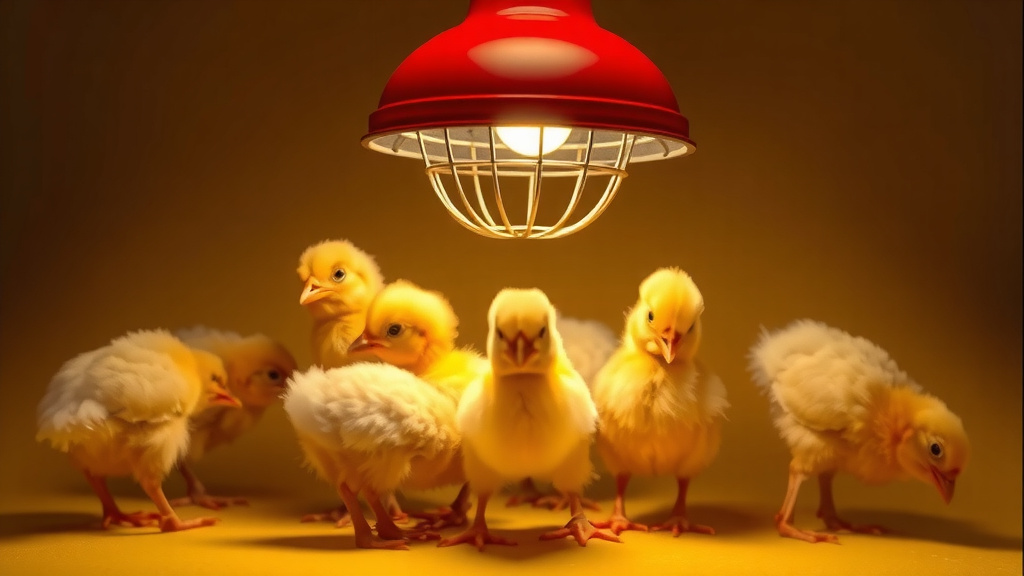
Why does this matter so much? Baby chicks can’t regulate their own body temperature for the first few weeks, so that lamp literally keeps them alive. We researched what poultry experts recommend, and the good news is your chicks will tell you if they’re comfortable — you just have to watch their behavior. Too hot and they spread out away from the lamp. Too cold and they huddle under it like a fluffy football.
- Chicks need heat starting at 95°F in their first week.
- Lower the temperature by 5 degrees each week.
- Most chicks are ready to leave the heat between 4 and 6 weeks old.
- Fully grown feathers are the real sign they’re ready.
- Watch your chicks’ behavior — they’ll tell you if the temp is right.
Below, we break down exactly how to wean your chicks off the heat lamp step by step, plus the signs to watch for so you can quit worrying (well, mostly).
The Right Heat Schedule for Your Baby Chicks
The classic heat lamp schedule runs 6 to 8 weeks for most backyard flocks, depending on the season. Week one starts at 95°F, then you drop the temperature about 5 degrees each week until you hit ambient air temperature. When the brooder matches the outside world, your chicks don’t need the lamp anymore.
We researched guidance from university extension programs and found most agree on this gradual step-down method. It’s less about a hard deadline and more about what your chicks’ feathers are telling you.
| Chick Age | Brooder Temperature | What’s Happening |
|---|---|---|
| Week 1 | 95°F | Fluff only, no real feathers yet |
| Week 2 | 90°F | Wing feathers start showing |
| Week 3 | 85°F | Tail and shoulder feathers grow in |
| Week 4 | 80°F | Looking chunky and feathered |
| Week 5 | 75°F | Nearly full feather coat |
| Week 6 | 70°F or ambient | Ready to wean off heat |
Signs Your Chicks Are Ready to Ditch the Heat Lamp
Your chicks will tell you when they’re done with the lamp. You just need to know how to listen. Here’s what we found when comparing advice from poultry experts:
- Full feather coverage. No bare patches on the back or head means they can hold their own body heat.
- They avoid the warm zone. If chicks never hang out under the lamp, they don’t need it.
- They roost and spread out. Comfortable chicks perch, scratch, and wander the whole brooder.
- Weather is mild. Nighttime lows should stay above roughly 65°F when the lamp goes off.
Reading Chick Behavior Like a Pro
Think of your brooder as a group text message from your chicks. Chicks bunched tightly under the lamp? Message received: they’re cold. Chicks pressed against the far wall, panting? Too hot. A loose, scattered crowd of peeping fluffballs? You nailed it.
Watch them at night, too. Many experts say nighttime is when you’ll spot the honest picture, because that’s when temperatures drop and chicks truly commit to a spot.
Noisy Chicks vs. Happy Chicks
Loud, distressed peeping usually means discomfort. Content chicks make a soft, steady chatter that almost sounds like tiny purring. If the noise level spikes, check the temperature before you check anything else.
Weaning Chicks Off the Heat Lamp Step by Step
Going cold turkey (pun intended) can stress young birds. Instead, wean them off heat gradually so their bodies adjust along the way.
Step 1: Raise the Lamp or Lower the Wattage
Raise the lamp a few inches each week, or swap in a lower-watt bulb. Either approach drops the temperature by about 5 degrees. Give the chicks a day or two at each new setting.
Step 2: Offer Daytime-Only Heat
Once you’re near ambient temperature, try turning the lamp off during the warm part of the day. Watch the brooder for an hour or two. If everyone keeps acting normal, keep extending the lamp-free window.
Step 3: Try a Lamp-Free Night
Wait for a warm night, then cut the heat completely. Check on them before bed and again first thing in the morning. If they huddled in a panic pile overnight, put the lamp back for another week.
What If a Cold Snap Hits?
Spring weather loves to fake you out. If temperatures suddenly drop, clip the lamp back in for a few nights. A temporary rewind isn’t failure — it’s just good chicken keeping.
Common Heat Lamp Mistakes to Avoid
Even seasoned keepers slip up here. These are the mistakes we found popping up again and again in expert guidance:
- Skipping the thermometer. Guessing leads to baked or chilled chicks. Use a thermometer at chick level.
- Heating the whole brooder evenly. Chicks need a warm zone AND a cool zone to self-regulate.
- Pulling heat too early. Partially feathered chicks still lose heat fast, especially at night.
- Ignoring the weather. A February brood needs heat longer than a June brood, plain and simple.
Safety First: Fire Risk and Lamp Setup
Heat lamps cause more than a few coop fires every year, so treat yours with respect. Some guidelines from fire safety organizations warn that halogen bulbs run extremely hot and should never sit near bedding or water splash zones. We found a few simple habits go a long way:
- Secure the lamp with a chain or clamp, plus a backup attachment.
- Keep bulbs at least 18 inches above bedding.
- Dust bulbs regularly — dust buildup can ignite.
- Consider a radiant heat plate instead of a bulb. Many keepers report they’re safer and more energy efficient.
Seasonal Differences: Winter vs. Summer Chicks
Calendar date matters less than the actual temperature your chicks face. Summer chicks hatched in June might wean off heat at 5 weeks. Winter chicks may need supplemental heat for 8 weeks or more, especially if they’re moving to an unheated coop in a cold region.
Here’s a quick pre-moveout checklist to run through:
- All chicks are fully feathered with no bare spots
- Nighttime lows stay above 65°F (or you provide safe coop heat)
- Chicks ignore the warm zone during the day
- No distressed peeping during a lamp-free trial night
- They’re at least 4 weeks old, ideally closer to 6
- Outdoor space is predator-proof and draft-free
Heat Lamps vs. Brooder Plates: Does Timing Change?
Radiant brooder plates mimic a mother hen, letting chicks warm their backs on demand. We found that plates let chicks self-regulate earlier, and some keepers report chicks feather out on a similar timeline but handle temp swings better. Either way, the feathering and behavior signs stay the same. The tool changes, but the test doesn’t.
Conclusion
Raising chicks is equal parts exciting and nerve-wracking, and the heat lamp stage is where most of that worry lives. You’ve got the schedule now: start at 95°F, drop it 5 degrees weekly, and let full feathers and calm behavior be your real green light. Most chicks wrap up around 4 to 6 weeks, with winter babies needing a bit longer. We found that watching your birds beats watching the calendar every single time. So set up that thermometer, check on your flock each evening, and trust what those fluffy little bodies tell you. Before long, you’ll have feathered teenagers strutting around the coop, wondering why you ever hovered so much.
Frequently Asked Questions
Can I leave the heat lamp on 24 hours a day?
Yes, for the first few weeks the lamp should run continuously, including at night. Chicks can’t hold their own heat, so overnight is actually when they need it most. Once they’re nearly feathered, you can start turning it off during warm daytime hours as part of the weaning process.
What happens if chicks get too cold overnight?
Chilled chicks will pile on top of each other to share body heat, which can lead to smothering or illness. You may also notice loud, distressed peeping and lethargy by morning. If you spot a panic pile, warm the brooder back up right away and hold off on weaning a little longer.
Do chicks need heat at night after they’re fully feathered?
Fully feathered chicks can usually handle nighttime temps above 65°F without extra heat. If you live somewhere colder or you’re moving them to an unheated coop in early spring, give them a few extra weeks of nighttime warmth. Watch their morning behavior to confirm they slept comfortably.
Is it okay to use a regular light bulb instead of a heat bulb?
A standard incandescent bulb produces some warmth, but it usually won’t hit the temps young chicks need, especially in week one. Red heat bulbs are a popular choice because they provide steady warmth without disrupting sleep. Whatever you use, check the temperature at chick level with a thermometer.
When can newly hatched chicks go outside without a heat lamp?
Chicks can move outdoors once they’re fully feathered, typically between 4 and 6 weeks old, and nighttime temperatures stay mild. If the forecast shows cold snaps, wait them out or offer safe supplemental heat in the coop. Gradual exposure on warm afternoons helps them adjust before the full move.