Ceramic Heat Lamp vs Bulb: Which Should You Use?
When deciding between a ceramic heat lamp and a standard bulb for your heating needs, the ceramic option is generally the better choice for consistent, longer-lasting heat. Ceramic heat emitters produce heat without light, mimicking natural heat sources and preventing disruption to your pet’s or plant’s day/night cycle. They also tend to be more durable than glass bulbs.
While both serve to provide warmth, their mechanisms differ greatly. Bulbs often emit light along with heat, which can interfere with natural routines. Ceramic emitters, however, focus solely on radiating heat, making them ideal for specific environments where light is undesirable. We found that understanding these differences helps you make a wiser purchase.
- Ceramic heat lamps offer heat without light.
- Standard bulbs usually produce light and heat together.
- Ceramic emitters are often more durable.
- Choose ceramic for applications where light is not wanted.
- Consider your specific needs for light and heat.
Let’s dive into the details of each and help you figure out which heat source is the perfect fit for your situation.
Ceramic Heat Emitters vs. Standard Bulbs: Making the Right Choice
Deciding between a ceramic heat emitter and a traditional light bulb for your heating needs can feel a bit confusing. We’ve looked into it, and ceramic heat emitters often take the lead for providing consistent warmth without disrupting natural cycles.
Think of it like this: a standard bulb is like a campfire. It gives off warmth, but also a lot of light. A ceramic emitter is more like a hidden ember, radiating steady heat without the bright glare. This difference is key for many applications.
Understanding How Ceramic Heat Emitters Work
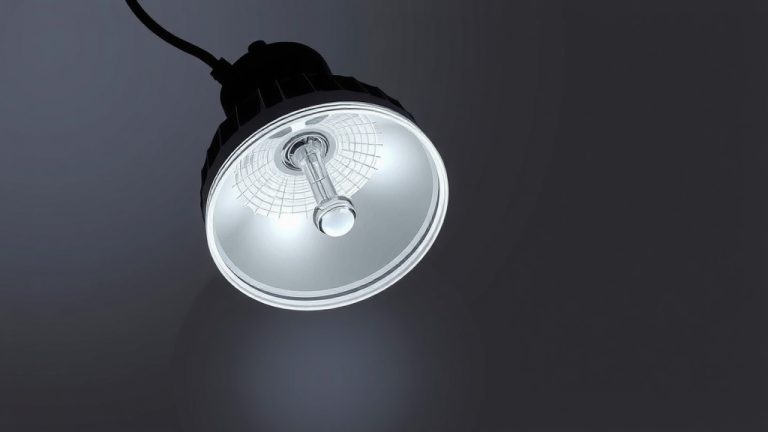
Ceramic heat emitters are fascinating devices. They work by converting electricity into radiant heat. Unlike incandescent bulbs, they don’t produce any visible light. This makes them a preferred choice for many situations where light can be disruptive.
The Science Behind the Heat
These emitters are typically made from ceramic materials that can withstand high temperatures. When electricity passes through them, their resistance causes them to heat up. This heat is then radiated outwards, warming the surrounding environment. Many experts agree that this radiant heat is very effective for creating a warm zone (National Science Foundation).
Benefits of Lightless Heat
The primary advantage of ceramic heat emitters is that they provide heat without light. This is particularly important for animals or plants that have distinct day and night cycles. A regular bulb would disrupt these cycles, potentially causing stress or affecting growth. Ceramic emitters allow for 24/7 heating without interfering with natural rhythms.
How Standard Light Bulbs Provide Heat
Standard incandescent light bulbs generate heat as a byproduct of producing light. A significant portion of the energy they consume is actually converted into heat. This is why they feel warm to the touch. Many common household bulbs work this way.
The Light and Heat Connection
With a traditional bulb, you get both light and heat simultaneously. This can be useful if you need both functions. However, if you only need heat, the light component can be a disadvantage. We found that for many terrarium setups, this light can be too intense during nighttime hours.
Limitations of Bulb-Based Heat
One major limitation of glass bulbs is their fragility. They can break easily, especially if exposed to moisture or sudden temperature changes. This poses a safety risk. Also, their lifespan can be shorter compared to ceramic options, meaning more frequent replacements (Consumer Reports).
Ceramic Heat Lamp vs. Bulb: Key Differences Compared
Let’s break down the core differences in a way that’s easy to grasp. We’ve compiled some key points to help you visualize the distinctions.
| Feature | Ceramic Heat Emitter | Standard Bulb (Incandescent) |
|---|---|---|
| Light Output | None (dark heat) | Visible light |
| Primary Function | Radiant heat | Light (heat is a byproduct) |
| Durability | Generally very durable | Fragile, prone to breakage |
| Lifespan | Often longer | Shorter, requires more frequent replacement |
| Energy Efficiency | Can be more efficient for heat | Less efficient for heat (much energy lost as light) |
| Disruption to Cycles | None | Can disrupt day/night cycles |
Durability and Lifespan: A Long-Term View
When we looked at durability, ceramic emitters really shine. They are typically much more robust than glass bulbs. This means fewer accidental breakages and a longer service life. Many users report their ceramic emitters lasting for years, providing consistent heat throughout.
Energy Consumption for Heat
For pure heating purposes, ceramic emitters can be more energy-efficient. They focus all their energy on producing heat. Standard bulbs, on the other hand, waste a lot of energy as light. If your main goal is to warm an area, a ceramic unit often makes more sense from an energy standpoint.

When to Choose a Ceramic Heat Emitter
So, when is a ceramic heat emitter your best bet? We found that they are ideal for specific scenarios where consistent, light-free heat is essential. Think of reptile enclosures, brooding areas for chicks, or even some plant growth setups that need a specific temperature without extra light.
For Reptile and Amphibian Keepers
Many reptile keepers swear by ceramic heat emitters. Reptiles often need a basking spot with higher temperatures, but they also need a natural dark period to rest. A ceramic emitter provides that consistent heat without keeping the enclosure lit all night. This mimics their natural habitat much better.
For Seed Starting and Seedlings
If you’re starting seeds indoors or nurturing delicate seedlings, temperature is critical. Ceramic heat emitters can provide the gentle, consistent warmth needed for germination and early growth. They do this without the harsh light that could potentially stunt young plants.
When a Standard Bulb Might Suffice
There are times when a standard bulb might be perfectly acceptable, or even preferred. If you need both light and heat, or if the light cycle isn’t a concern, a regular bulb can work. For instance, a simple desk lamp bulb provides some ambient heat along with light.
Situations Where Light is Not an Issue
Consider spaces where a little extra warmth and light are both welcome. Perhaps a small workshop, a storage area, or even a pet bed where the pet doesn’t rely on a strict light-dark cycle. In these cases, the dual function of a standard bulb can be convenient.
Budget and Initial Cost Considerations
Sometimes, the upfront cost can be a deciding factor. Standard incandescent bulbs are often cheaper to purchase initially than ceramic heat emitters. However, it’s important to consider the long-term costs, including replacement frequency and energy usage.
Making Your Final Decision: A Quick Checklist
To help you narrow down your choice, ask yourself these quick questions:
- Do you need light in addition to heat?
- Is a day/night cycle important for the inhabitants or plants?
- How important is durability and a longer lifespan?
- Are you looking for the most energy-efficient heating solution?
- What is your budget for both initial purchase and long-term use?
- Are there safety concerns regarding fragility?
Conclusion
When you’re choosing a heat source, it’s clear that ceramic heat emitters generally offer a superior experience for many needs. They provide consistent, light-free warmth that respects natural cycles, making them ideal for sensitive environments like terrariums or plant nurseries. While standard bulbs offer both light and heat, their fragility and disruption to day/night cycles often make them less ideal for targeted heating. Make your final decision based on whether you prioritize consistent, dark heat or a dual light-and-heat solution. If your goal is reliable warmth without disrupting your pet’s or plant’s natural environment, a ceramic emitter is your best bet.
Frequently Asked Questions
Can I use a ceramic heat emitter in a regular lamp fixture?
You should check the wattage and type of fixture before using a ceramic heat emitter. Most ceramic emitters require specific heat-resistant fixtures designed for their wattage to prevent overheating or damage. Always follow the manufacturer’s recommendations for safe installation.
How often do I need to replace a ceramic heat emitter compared to a bulb?
Ceramic heat emitters typically have a much longer lifespan than standard incandescent bulbs. While bulbs might need replacing every few months, a well-maintained ceramic emitter can last for years. This makes them a more cost-effective option in the long run.
Will a ceramic heat emitter dry out the air in my enclosure?
Ceramic heat emitters do not produce light, which means they tend to dry out the air less than heat lamps that also emit light. However, all heat sources can affect humidity levels. You may still need to monitor and manage humidity with a separate water dish or mister.
Is a ceramic heat emitter safe to use overnight?
Yes, ceramic heat emitters are excellent for overnight use because they produce heat without any light. This allows animals or plants to experience a natural dark period, which is essential for their health and well-being. They provide consistent warmth throughout the night.
Can I use a ceramic heat emitter for a bearded dragon?
Many bearded dragon owners find ceramic heat emitters to be a good supplemental heat source. They provide the necessary ambient temperature without the bright light that could disturb your dragon during its resting hours. Always ensure the emitter is at a safe distance to prevent burns.