How Many Floor Lamps in a Living Room? The Ideal Number
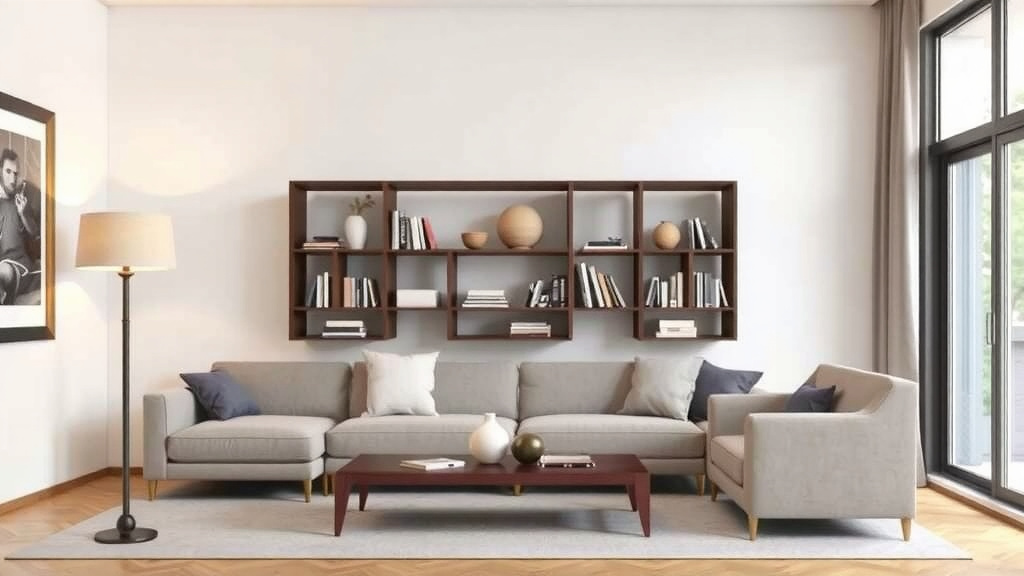
Most living rooms look best with two to three floor lamps. That gives you enough light to relax, read, or host friends without the room feeling like a stage show. If your space is small, one well-placed lamp may be all you need.
So how do you know what fits your room? It comes down to a few things: the size of your space, how much natural light you get, and what you actually do in there. We researched what lighting designers recommend and found that placement matters just as much as the number of lamps.
- Small living rooms usually need just one floor lamp.
- Medium rooms look balanced with two lamps in different corners.
- Large or open spaces can handle three lamps without feeling crowded.
- Place lamps where they support real activities, like reading or watching TV.
- Mix lamp heights and light levels to keep the room cozy, not harsh.
Below, we break down exactly how many floor lamps your living room needs, plus where to put them so everything feels just right.
How Many Floor Lamps Does a Living Room Need?
The honest answer: it depends on your room’s size, but two lamps work for most spaces. Think of lighting like seasoning food. Too little and everything feels flat, too much and you’ve ruined the dish.
We found that lighting designers often talk about layers of light: overhead, task, and accent. Floor lamps fill the gaps that ceiling lights miss. Your couch corner probably isn’t getting much love from a ceiling fixture in the middle of the room, right?
Lamp Count by Room Size
Room size is the easiest starting point. Here’s a quick guide we put together based on common design recommendations.
| Room Size | Approximate Square Feet | Suggested Floor Lamps |
|---|---|---|
| Small | Under 150 sq ft | 1 |
| Medium | 150–300 sq ft | 2 |
| Large | 300–450 sq ft | 2–3 |
| Open concept | 450+ sq ft | 3 or more |
These numbers aren’t magic. They’re simply a starting point so you’re not guessing in the store.
Small Living Rooms: One Lamp Is Enough
In a compact space, one floor lamp next to your sofa or reading chair does the job. Add a second lamp and the room can start to feel like a waiting area. Not the vibe you want when you’re binge-watching in pajamas.
Instead of adding lamps, boost what you have. A brighter bulb or a shade that spreads light wider can make one lamp feel like two.
Medium Rooms: The Two-Lamp Sweet Spot
Two lamps in opposite corners create balance. Designers call this cross-lighting, and it removes the dark pockets that make a room feel smaller and gloomier than it is.
Try one arc lamp near your seating and one slim lamp in an empty corner. You’ll notice the difference the first evening you flip them on.
Large and Open Spaces: Three Lamps and Beyond
Big rooms have zones: a seating area, maybe a reading nook, maybe a game table. Each zone deserves its own light source. Three lamps let you define those areas without relying on harsh overhead lighting.
What Else Affects How Many Lamps You Need?
Size isn’t the whole story. A few other factors quietly change the math.
Natural Light in Your Space
Sunny south-facing rooms need fewer lamps during the day. North-facing rooms or spaces with small windows lean on artificial light more heavily. Many experts suggest walking through your room at different times of day to spot the dark zones before buying anything.
How You Actually Use the Room
Be real with yourself here. If you read every night, you need a task light near your chair. If the room is mostly for movie nights, dimmer ambient light beats bright overhead glare.
Lighting also affects your body. Research shared by the CDC shows that bright light in the evening can delay your body’s sleep signals. So a softer floor lamp in the evening isn’t just cozy, it’s sleep-friendly too.
Other Light Sources You Already Have
Count what’s already in the room before shopping:
- Recessed ceiling lights or a central fixture
- Table lamps on side tables or consoles
- Sconces or wall lights
- Light from an open kitchen or hallway nearby
If you’ve got plenty of table lamps, one floor lamp may complete the picture. If your ceiling light is a single sad bulb, floor lamps can carry more of the load.
Where Should You Place Your Floor Lamps?
Placement matters as much as the count. A lamp in the wrong spot is just expensive furniture.
Next to Seating
The classic spot: beside the sofa or an armchair. The bottom of the shade should sit near your eye level when seated, roughly 58 to 64 inches from the floor. That gives you light for reading without glare in your eyes.
In Dark Corners
Empty corners eat light. A lamp there pushes glow back into the room and makes the whole space feel finished. Designers often say corners are the most underrated lamp real estate in a home.
Behind or Beside the Sofa
A slim lamp tucked behind the sofa’s arm fills dead space and lights your reading spot at once. Two birds, one cord.
Near the TV (But Not Too Near)
A soft lamp behind or beside your TV reduces eye strain during long viewing sessions. The Cleveland Clinic notes that watching screens in a fully dark room can cause more eye fatigue. A gentle backlight helps more than you’d think.
Creating Even, Layered Light
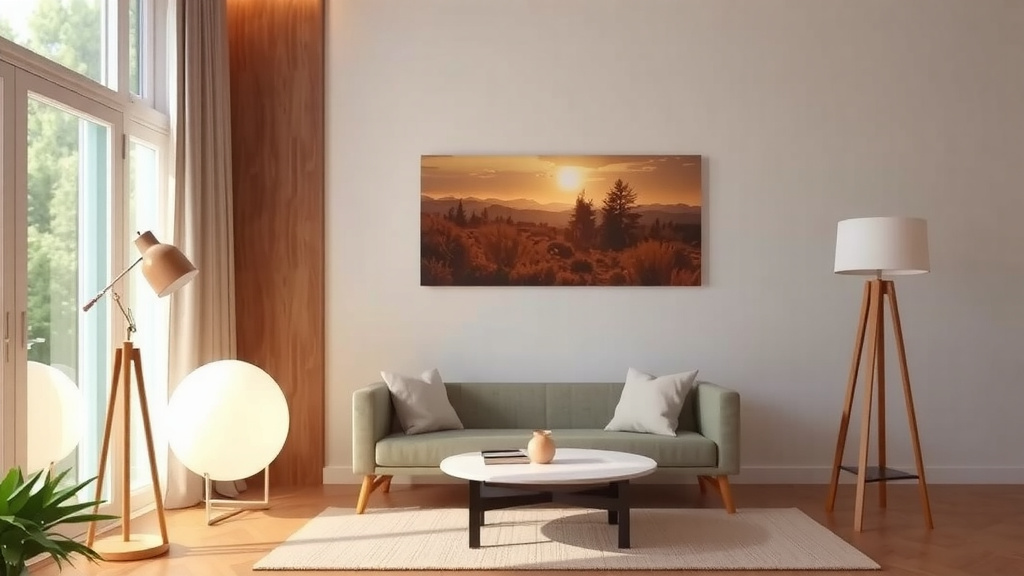
Spread your lamps so no single spot does all the work. Picture triangle points around your seating area. When light comes from more than one direction, shadows soften and the room feels warm and welcoming.
Quick Lamp Shopping Checklist
Before you buy, run through this list we put together:
- Measure your corner or spot and check the lamp’s footprint fits
- Pick the right height: 58 to 64 inches for reading, taller arcs for sofas
- Choose a shade that spreads light instead of spotlighting it
- Look for dimmers or three-way switches so you control the mood
- Match the lamp’s style to your room, not just your wishlist
- Check the bulb type and max wattage before checkout
Common Mistakes to Avoid
A few easy-to-make errors we noticed come up again and again:
- Clustering lamps on one wall instead of spreading them out
- Picking lamps that are too short, so light lands at knee level
- Matching every lamp exactly, which can feel flat and staged
- Forgetting to layer with dimmers and warmer bulbs at night
One mismatched lamp height is fine. Mixing a tall arc with a shorter tripod lamp actually adds visual interest, like varying the heights of plants in a garden.
The Bottom Line on Lamp Counts
Start with two lamps for a typical living room, then walk the room at night and see what’s missing. Your eyes will tell you where the next lamp belongs. Trust them. They’ve been living in that space longer than any design rule has.
Conclusion
Getting your lamp count right comes down to three things: room size, natural light, and how you actually live in the space. One lamp works for small rooms, two hits the sweet spot for medium rooms, and larger spaces can handle three or more. Placement counts just as much, so spread lamps across corners and seating areas instead of bunching them together. Our research and found that most people overthink this. Start simple, then adjust. Grab a spare lamp from another room tonight and test a few spots before you spend a dime. Your perfect lighting setup is closer than you think.
Frequently Asked Questions
Can you have too many floor lamps in a living room?
Yes. If lamps compete with each other or leave no dark corners at all, the room can feel like a showroom. A good rule we found in our research: if you have to duck between lamp bases to walk across the room, you’ve hit your limit.
Should floor lamps match each other in the same room?
Not necessarily. Matching lamps on either side of a sofa can look tidy, but mixing styles often feels more relaxed and personal. Just keep the shade colors and bulb warmth similar so the light itself feels cohesive.
Do floor lamps use a lot of electricity?
Not with modern bulbs. A floor lamp with an LED bulb typically costs only a few dollars a year to run, even with nightly use. Switching to LEDs is the easiest way to keep three lamps running without worrying about your bill.
What height should a floor lamp be for a living room?
For reading beside a sofa or chair, aim for a lamp where the bottom of the shade lands near your seated eye level. Taller arc lamps that arch over a sofa work well for general ambient light. Stand the lamp in place and check the sightline before committing.
Can a floor lamp replace a ceiling light in a living room?
It can, especially in rentals or rooms without overhead wiring. You’ll likely need two or three lamps spread around the space to make up for what a ceiling fixture would cover. Many people actually prefer the softer, cozier glow this setup creates.