How Many Floor Lamps in a Room? Ideal Number by Size
Most rooms look and feel best with one to three floor lamps. A small room usually needs just one, a medium living room does well with two, and a large open space can handle three or more. The exact number depends on your room size, how much natural light you get, and what you do in that space.
Too few lamps and your room feels dark and flat. Too many and it looks like a lamp showroom (not in a good way). We researched what interior designers recommend, and we found that layered lighting matters more than the number of lamps. It’s about spreading light at different heights, not piling lamps in one corner.
Here’s the quick version before we dig in:
- Small rooms (under 150 sq ft): one floor lamp is plenty.
- Medium rooms (150–300 sq ft): two lamps balance things nicely.
- Large rooms (300+ sq ft): three or more, spread out.
- Placement matters as much as the count.
- Match lamp count to how you use the room.
Below, we break down everything you need to know about how many floor lamps in a room, so you can light your space the right way.
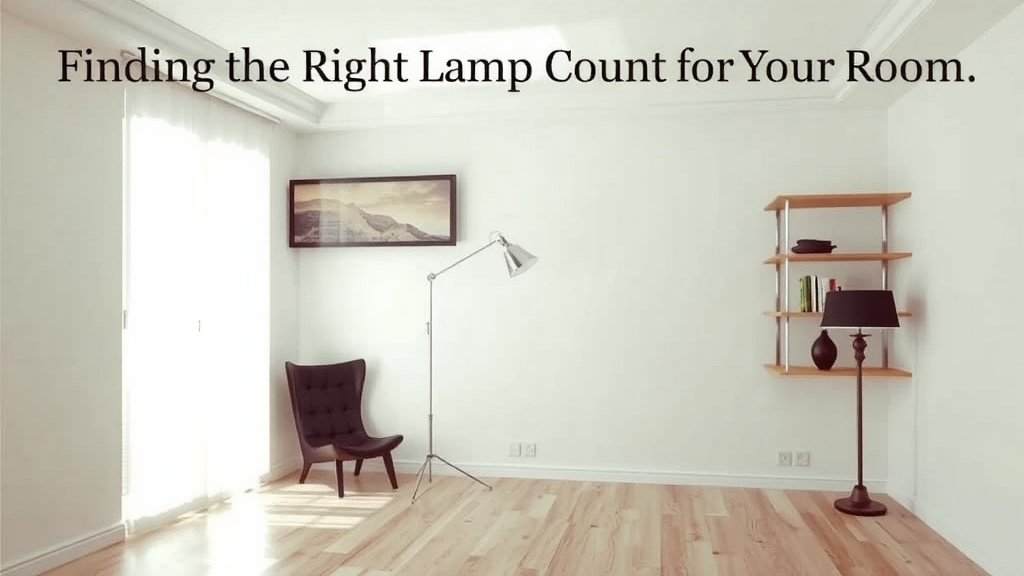
Finding the Right Lamp Count for Your Room
The right number depends less on magic rules and more on balance. One lamp per seating area or dark corner is a solid starting point. From there, you adjust based on how the room actually feels at night.
Think of floor lamps like seasoning in a recipe. You can always add more, but it’s tricky to take away once the room is crowded.
Room Size and Lamp Guidelines
Here’s a simple breakdown we put together based on common designer recommendations:
| Room Size | Suggested Lamps | Best Placement |
|---|---|---|
| Under 150 sq ft | 1 | Behind sofa or next to reading chair |
| 150–300 sq ft | 2 | Opposite corners or flanking a couch |
| 300–500 sq ft | 2–3 | Separate zones, spread apart |
| 500+ sq ft (open plan) | 3 or more | One per functional zone |
Notice the pattern? As rooms get bigger, you’re not just adding lamps. You’re dividing the space into zones, and each zone gets its own light.
Why Layered Lighting Beats Lamp Counting
Here’s a secret: designers rarely obsess over the exact number. They think in layers instead. The lighting experts at the American Lighting Association describe three basic layers: ambient (overall glow), task (focused light), and accent (mood and highlights).
The Three Layers, Explained Simply
- Ambient: The base light that lets you walk around without tripping.
- Task: Bright, focused light for reading, crafting, or laptop work.
- Accent: Soft light that makes the room feel cozy, not clinical.
A floor lamp can fill any of these roles. Two lamps doing different jobs often beat four lamps doing the same one.
Where Ceiling Lights Fit In
If your room already has a bright overhead fixture, you need fewer floor lamps. The ceiling handles ambient light, so your lamps can focus on task and accent duty. In a rental with no ceiling light? Floor lamps carry the whole show, so two or three makes sense even in a medium room.
How Room Function Changes Your Lamp Count
Ask yourself: what actually happens in this room? A reading nook and a home office have very different needs.
Living Rooms
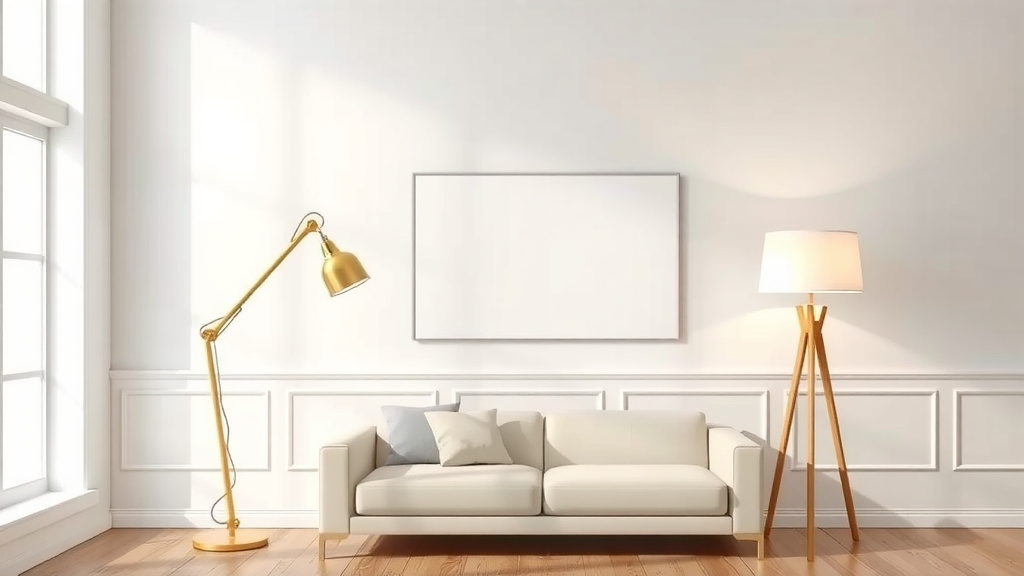
Two lamps is the sweet spot for most living rooms. One behind the couch for general light, one beside your favorite chair for reading. Large rooms with sectionals can support a third lamp near the TV or in an empty corner.
Bedrooms
One floor lamp is usually enough here, since bedside table lamps often handle task light. If your bedroom doubles as an office or dressing area, a second floor lamp near that zone helps. Research on sleep environments suggests keeping evening light dim and warm, since bright light before bed can suppress melatonin and disrupt sleep (National Sleep Foundation, NIH).
Home Offices
Start with one floor lamp for ambient fill, paired with a desk lamp for task work. Eye strain often comes from harsh contrast between a bright screen and a dark room. The American Optometric Association recommends even, balanced lighting around your workspace to reduce fatigue.
Open Floor Plans
Big open spaces work in zones: kitchen, dining, lounging. Give each zone at least one light source. Three floor lamps spread across a large open plan looks natural. Three clustered in one corner looks like a lamp store display gone wrong.
Signs You Have Too Many (or Too Few) Lamps
Your room will tell you. You just have to listen. Here’s what we found to be the most common warning signs:
- Too few: You squint after sunset and corners disappear into shadow.
- Too few: One lamp glows while the rest of the room feels like a cave.
- Too many: Lamps compete with each other and the room feels busy.
- Too many: You have more cords and outlets used than furniture pieces.
- Just right: Light feels even, and no corner is either gloomy or glaring.
A quick test: turn everything on at night and walk the room slowly. If you squint anywhere, add light. If a spot feels like an airport runway, dial it back.
Placement Rules That Matter More Than Numbers
One well-placed lamp outperforms two lazy ones. Many designers recommend placing floor lamps at different heights and corners to create depth.
The Corner Trick
Dark corners shrink a room visually. A floor lamp in one corner instantly makes the space feel larger and warmer. Odd numbers, like one or three lamps, tend to look more natural than perfect pairs. That’s a classic styling rule we found repeated across design guides.
Height and Shade Considerations
Match lamp height to nearby furniture. The bottom of the shade should sit near eye level when you’re seated, so light lands on your page, not your eyes. Varying heights between 58 and 64 inches keeps things interesting without looking chaotic.
Your Quick Pre-Shopping Checklist
Before you buy, run through this list:
- Measure your room and note the square footage.
- Count existing light sources, including windows and ceiling fixtures.
- Identify your dark zones at nighttime.
- Match each lamp to a purpose: ambient, task, or accent.
- Check your outlets so cords don’t snake across walkways.
- Buy one lamp first, live with it a week, then decide.
That last one is our favorite. Living with a lamp for a few days tells you more than any showroom ever will.
Common Mistakes to Avoid
Even with the best intentions, a few traps catch almost everyone. Watch out for these:
- Matching everything: Two identical lamps flanking a sofa looks fine; four identical lamps looks staged.
- Ignoring bulb temperature: Mixing cool and warm bulbs in one room creates a weird, patchy glow.
- Forgetting dimmers: A dimmable lamp flexes from task light to movie-night mood instantly.
- Buying for daytime: Rooms look totally different after sunset. Shop with evening light in mind.
Many experts suggest warming your bulbs to around 2700K for living spaces, since softer light feels more relaxing in the evening (U.S. Department of Energy).
Small Budget? How to Stretch Your Lighting
You don’t need three lamps on day one. Start with one quality floor lamp in your darkest, most-used corner. Add table lamps or wall sconces as budget allows. Smart plugs can turn existing lamps into scheduled lighting for under $15 each, which stretches one lamp further than you’d expect.
Lighting your room well isn’t a weekend sprint. It’s more like decorating in slow motion. Buy, test, adjust, repeat. Your eyes (and your electric bill) will thank you.
Conclusion
So, how many floor lamps in a room? Most spaces shine with one to three lamps, spread out and matched to what you actually do there. We found that placement, bulb warmth, and layered lighting matter far more than hitting some magic number. Start with your darkest corner, pick a purpose for each lamp, and add slowly until the room feels even at night. Your next step? Measure your space, note your dark zones after sunset, and buy one quality lamp first. Live with it for a week, then decide if the room needs more. Trust your eyes over any rulebook.
Frequently Asked Questions
Can two floor lamps be in the same room without looking cluttered?
Absolutely, as long as they’re spread out and serving different purposes. Two identical lamps flanking a sofa can actually look intentional and balanced. Clutter only happens when lamps crowd one area or compete for attention.
Should floor lamps match each other?
Not necessarily. Mixing lamp styles adds personality, as long as the bulb temperatures stay consistent. If you want a more formal, put-together look, matching pairs work well in symmetric spots like beside a sofa.
Can a floor lamp replace a ceiling light?
Yes, and many renters rely on them for exactly that. A bright floor lamp with a wide shade can handle ambient lighting for a medium room. For larger spaces, you’ll want two or three sources to avoid dark patches.
Do floor lamps use a lot of electricity?
Not really, especially with LED bulbs. Most LED floor lamp bulbs draw between 9 and 15 watts, which costs just a few dollars a year with normal use. Even running three lamps nightly barely dents your bill.
What height should a floor lamp be next to a sofa?
Aim for a lamp between 58 and 64 inches tall, so the shade bottom sits near your eye level when seated. That height lights your book or lap without shining directly in your face. Taller sofas can handle lamps on the higher end of that range.