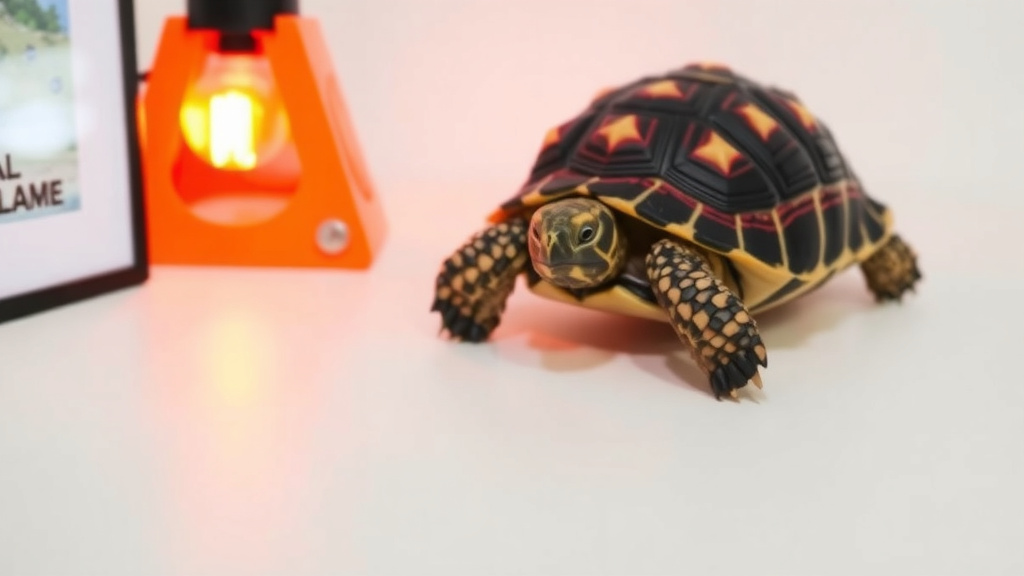
How Long Should You Leave a Tortoise Heat Lamp On Each Day?
You should leave your tortoise heat lamp on for 10 to 12 hours a day, mimicking a natural daylight cycle. The easiest way to get this right is to turn it on in the morning and switch it off at night, every single day. That consistency matters more than the exact hour you pick.
Why does this timing matter so much? Tortoises are cold-blooded reptiles, so they rely on outside heat to digest food and stay active. Many experts say that constant 24/7 heating can actually stress your tortoise and disrupt its natural sleep rhythm. We found that a simple timer takes all the guesswork out of it.
- 10 to 12 hours is the sweet spot for most adult tortoises.
- Heat lamps should be turned off at night so your tortoise can rest.
- Baby tortoises and sick tortoises may need slightly different schedules.
- Season and room temperature can change what your tortoise needs.
- A cheap light timer makes the whole routine effortless.
Below, we break down everything you need to know about heat lamp timing, including seasonal tweaks, night-time rules, and the mistakes we see new tortoise owners make most often. If you’re still choosing hardware, our guide to picking a basking lamp for tortoise enclosures compares the top options.
Setting Up the Right Heat Lamp Schedule for Your Tortoise
Getting the schedule right comes down to one simple idea: copy the sun. Your tortoise’s body expects a warm day followed by a cooler night. When you match that rhythm, everything from appetite to energy tends to fall into place.
We found that most keepers do best with an on-time between 7 and 9 a.m. That gives your tortoise a full warm stretch to eat, roam, and bask before lights out around 7 or 8 p.m.
Why the Daily Cycle Matters So Much
Tortoises are ectotherms, which is a fancy way of saying their body temperature follows their surroundings. Digestion slows way down when they’re cold. Without enough warm hours, food can sit undigested and cause real health trouble.
Reptile husbandry guides, including care sheets from university extension programs, consistently recommend a photoperiod of 10 to 12 hours for desert species. Tropical species often do fine on the same schedule, since equatorial days don’t change much year-round.
Daytime Hours vs. Nighttime Hours
Here’s a question worth asking: would you sleep with the lights on and a heat blasting over your bed? Neither would your tortoise. Nighttime heating can disrupt sleep and cause long-term stress.
Most species actually need a nighttime drop into the 65 to 75°F range. That cooler period is normal and healthy. If your home gets colder than that in winter, use a ceramic heat emitter instead. It gives off heat with no light, so your tortoise can still sleep soundly.
Seasonal Adjustments to Your Heat Lamp Timing
Your tortoise’s indoor setup doesn’t have to match the weather outside, but the seasons still matter. Room temperatures shift, and so do your tortoise’s needs.
| Season | Suggested On Hours | What to Watch |
|---|---|---|
| Summer | 10–12 hours | Enclosure may already be warm; check for overheating |
| Spring/Fall | 10–12 hours | Steady routine works fine |
| Winter | 10–12 hours | Use a ceramic emitter at night if rooms drop below 65°F |
Notice something? The daytime hours stay the same all year for most indoor setups. What changes is your backup plan for cold nights. A simple thermometer on each end of the enclosure tells you more than any calendar ever will.
What About Brumation?
Some tortoise species, like Russian and Hermann’s tortoises, may brumate (the reptile version of hibernation) in winter. If yours does, heating needs change dramatically. Many experts say you should consult an exotic vet before attempting any brumation at home. It’s not a casual project.
Heat Lamp Timing for Babies and Young Tortoises
Hatchlings need extra care. They’re small, they dehydrate fast, and they can’t handle temperature swings the way adults can. We found that many breeders keep 12 to 14 warm hours for babies under one year old.
The extra hours support steady growth and eating. Just keep one corner of the enclosure cooler so your little one can self-regulate. Never heat the entire space uniformly. Every tortoise, no matter the age, needs a warm side and a cool side.
Sick or Recovering Tortoises: A Different Schedule
A tortoise fighting an illness often benefits from stable warmth around the clock, but this is a vet-guided decision, not a DIY one. If your tortoise is under the weather, call your exotic animal vet and ask about nighttime heating. Some recoveries call for a warm overnight hide; others don’t.
Common Heat Lamp Mistakes New Owners Make
Most of these are honest slip-ups, not signs of bad pet parenting. We’ve all started somewhere. Here’s what we see most often:
- Running the lamp 24/7 because it feels safer. It isn’t.
- Skipping the timer and forgetting to turn it off. Set it once, relax forever.
- Using a light-emitting bulb at night instead of a ceramic heat emitter.
- Heating the whole enclosure instead of creating a basking zone.
- Guessing temperatures instead of using a cheap digital thermometer.
- Leaving the basking bulb too close, causing burns. Follow the manufacturer’s distance guide.
Quick Setup Checklist
Want to nail this in one afternoon? Run through this list:
- ✅ Plug the heat lamp into a mechanical timer.
- ✅ Set it for 10–12 hours starting in the morning.
- ✅ Place a thermometer on both the warm and cool sides.
- ✅ Verify basking spot temps match your species’ care sheet.
- ✅ Add a ceramic emitter only if nights drop below 65°F.
- ✅ Check the setup once a season and adjust as needed.
Do UVB Bulbs Follow the Same Schedule?
Yes, and this is where a lot of confusion clears up fast. Your UVB bulb should run on the exact same daytime schedule as the heat lamp. Both represent “sunlight” in your tortoise’s world.
UVB helps your tortoise make vitamin D3, which lets it absorb calcium. Research on reptile nutrition supports regular UVB exposure for proper shell and bone development. When lights go off at night, both bulbs go off together. One timer can handle both if they’re on the same power strip.
When Should You Replace UVB Bulbs?
Here’s a sneaky problem: UVB output fades over time even when the bulb still glows brightly. Most manufacturers recommend replacement every 6 to 12 months. Write the install date on the bulb with a marker. Future you will be grateful.
Using Timers and Smart Plugs for Consistency
A $10 mechanical timer is the single best investment you can make here. Set it once, and your tortoise gets the same reliable cycle every day, whether you’re home, on vacation, or asleep on the couch.
Smart plugs work too, and they add scheduling flexibility from your phone. Just remember one thing: if the power goes out, a mechanical timer keeps its schedule, while some smart plugs need a reset. Many experts say consistency beats convenience, so pick the tool you’ll actually trust.
Conclusion
Getting your tortoise’s heat lamp schedule right is easier than it looks. Run it for 10 to 12 hours a day, turn it off at night, and let a timer do the remembering for you. Add a ceramic heat emitter only if your home gets chilly after dark, and give hatchlings a slightly longer warm stretch. Pair your heat lamp with a UVB bulb on the same schedule, and check your thermometers once a season. We found that consistency matters more than perfection. Your next step is simple: grab a $10 timer today, plug it in, and set your cycle once. Your tortoise will thank you with steady appetite and good energy.
Frequently Asked Questions
Can I leave my tortoise heat lamp on overnight just in winter?
You can, but only if you use a ceramic heat emitter instead of a light-producing bulb. Regular heat bulbs glow brightly and can disturb your tortoise’s sleep. As long as nighttime temperatures stay in the 65 to 75°F range, you usually don’t need any overnight heat at all.
What happens if I forget to turn the heat lamp off one night?
One off night won’t harm your tortoise, so don’t panic. The real trouble comes from repeated 24/7 heating, which can disrupt sleep and cause ongoing stress. Just reset your schedule the next morning, and consider a timer if forgetting keeps happening.
Should the heat lamp stay on if my tortoise isn’t basking?
Yes, keep the normal schedule running. Tortoises often rest at times you might not expect, and they still need the option to warm up when they choose. If your tortoise never basks for several days, check your basking temperatures first, then call an exotic vet if the behavior continues.
Do I need a heat lamp at all if my tortoise’s enclosure gets natural sunlight?
It depends on the setup. Sunlight through a window doesn’t count, because glass blocks most UVB rays and the spot often stays too cool. We found that most indoor keepers still need a heat lamp and a UVB bulb to keep temperatures and vitamin D3 production reliable year-round.
How long should I wait after bringing my tortoise home before setting the light schedule?
Set the schedule on day one. New tortoises settle in faster when their environment feels predictable from the start. A steady warm period each day helps them start eating sooner, and a timer removes any temptation to adjust things on the fly.