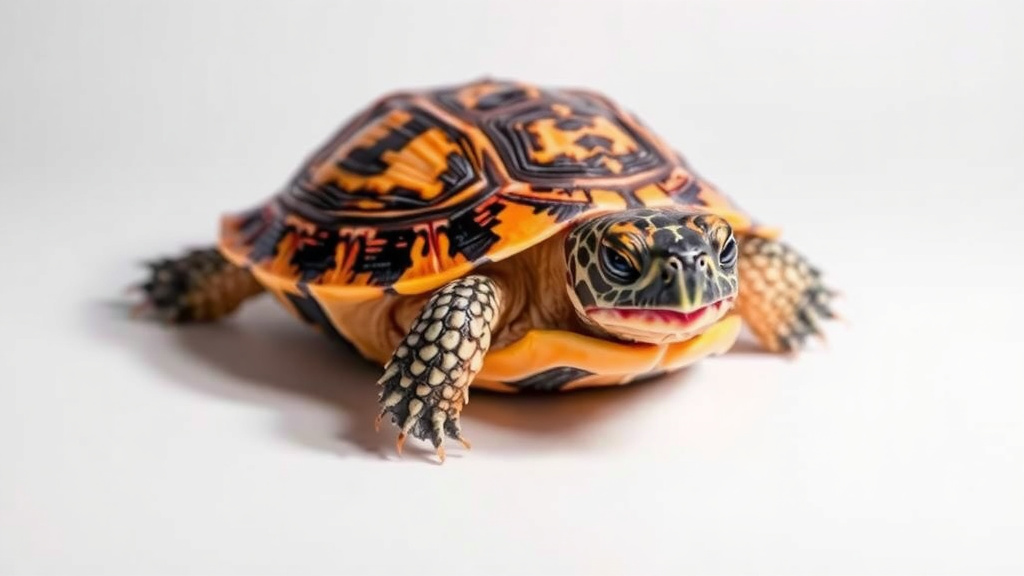
How Long Should You Leave a Turtle Heat Lamp On? Daily Guide
You should leave your turtle’s heat lamp on for 10 to 12 hours per day. Think of it like a natural daylight cycle — on in the morning, off at night. Your turtle needs that rhythm to stay healthy and keep a normal sleep schedule.
Why does timing matter so much? The heat lamp helps your turtle regulate body temperature and digest food properly. It also works with a UVB bulb to support shell growth and vitamin D3 production. Many experts say consistency is what counts most — we found that using a simple timer takes the guesswork out completely.
Quick recap before we dive in:
- Keep the heat lamp on for 10–12 hours daily, mimicking natural daylight.
- Turn it off at night so your turtle can sleep and cool down.
- Pair it with a UVB bulb for proper shell and bone health. Our roundup of the best basking lamps covers UVB-capable picks that support shell and bone health.
- Use a light timer to keep the schedule consistent.
- Adjust hours slightly with the seasons if your tank gets natural light.
Below, we break down everything you need to know about heat lamp timing — including what happens if you leave it on too long and how to set up the perfect day and night cycle for your shelled friend.
Getting Your Turtle’s Heat Lamp Timing Right
Most turtles do best with their heat lamp running for 10 to 12 hours each day. The key is matching the sun’s natural rhythm. Many reptile vets recommend this window because it mirrors what turtles experience in the wild (Association of Reptilian and Amphibian Veterinarians).
Think of it this way: your turtle’s lamp is its personal sun. It rises in the morning and sets at night. If that “sun” never sets, your turtle’s internal clock gets scrambled fast.
Why the Daily Schedule Matters So Much
Turtles are ectothermic, which is a fancy way of saying they can’t make their own body heat. They rely on the lamp to warm up, digest meals, and stay active. Without enough basking time, food can sit undigested in their stomach.
There’s a sleep side to this too. Research on circadian rhythms shows that constant light disrupts rest patterns in animals (NIH). Your turtle needs darkness at night to get real, restorative sleep.
What Happens If You Leave It On Too Long
Too much light stresses turtles out. We found that keepers who ran lamps 24/7 often noticed restless behavior, pacing, and reduced appetite in their turtles.
Extra heat can also push water and basking temperatures too high. Overheating leads to dehydration, and in worst cases, thermal stress. Your turtle can’t escape to a cooler spot if the whole tank warms up.
What Happens If You Leave It On Too Little
The opposite problem is just as real. Too few basking hours means poor digestion, low energy, and sluggish behavior.
Over time, limited heat and light can contribute to metabolic bone disease, a condition where weak bones and shell deformities develop. Reptile health guides consistently warn about this when basking needs aren’t met (Merck Veterinary Manual).
Setting Up a Proper Day and Night Cycle
The simplest approach: turn the lamp on when you wake up and off around 12 hours later. That’s it. No stopwatch required.
If your tank sits near a window, tilt the schedule with the seasons. Longer summer days can stretch basking time slightly, while shorter winter days can trim it back an hour or so.
Using a Timer to Stay Consistent
Here’s our honest advice: buy a $10 outlet timer and thank yourself later. You plug the lamp into it, set the on/off times, and forget about it.
We found that timers eliminate the “oops, I forgot to turn it off” problem entirely. They also keep the schedule steady when your work week gets chaotic. Consistency matters more than perfection.
Heat Lamp vs. UVB Bulb Timing
These two bulbs often get confused, so let’s clear it up. The heat lamp provides warmth for basking. The UVB bulb produces ultraviolet light that helps your turtle make vitamin D3, which it needs to absorb calcium.
The good news? Both run on the same schedule. Put them on the same timer so your turtle gets light and warmth together, then true darkness at night.
Temperature Targets to Pair With Your Light Schedule
Light hours only work if the temperatures are right. Here’s a quick reference we put together for common pet turtle setups:
| Zone | Target Temperature | Why It Matters |
|---|---|---|
| Basking spot | 90–95°F | Warmest zone for digestion and activity |
| Water (adults) | 75–80°F | Comfortable swimming and eating |
| Water (hatchlings) | 78–82°F | Younger turtles need extra warmth |
| Night air | No lower than 65–70°F | Safe cool-down without getting too cold |
Grab a digital thermometer for both the basking area and the water. Guessing temperatures is how turtles end up in trouble.
Special Situations That Change the Rules
Not every turtle follows the standard schedule. A few situations call for tweaks:
- Baby turtles: Keep temps steady and never let nighttime dips get too cold.
- Sick turtles: Follow your reptile vet’s guidance, since illness sometimes calls for adjusted warmth.
- Brumation (turtle hibernation): Some species slow down in winter and need different lighting.
- New arrivals: Give a fresh turtle a few days to settle before judging its basking habits.
Power Outages and Travel Days
Lost power for a few hours? Don’t panic. A turtle can handle a short cool-down without harm, especially if your home stays reasonably warm.
For weekend trips, a timer becomes essential. Many keepers we learned from rely on timers plus a reliable water heater so the tank stays stable while they’re away.
Quick Heat Lamp Setup Checklist
Before you call your setup done, run through this list:
- Set the lamp on a timer for 10–12 hours daily.
- Position the basking spot so it hits 90–95°F.
- Run the UVB bulb on the same schedule as the heat lamp.
- Give your turtle a dark, quiet night with zero light.
- Check temperatures with two digital thermometers.
- Watch your turtle’s behavior for signs of too much or too little basking.
Reading Your Turtle’s Behavior Like a Book
Your turtle will tell you if the schedule is off. Basking all day every day? The tank might be too cold. Hiding constantly and skipping basks? The heat or light may be too intense.
A healthy turtle splits its time between swimming, basking, and exploring. When you see that balanced routine, you’ll know your light schedule is dialed in. It’s one of the most satisfying moments in turtle keeping — right up there with watching them attack a piece of lettuce like it owes them money.
Conclusion
Getting your turtle’s heat lamp schedule right comes down to one simple rule: 10 to 12 hours on, then darkness at night. Pair that rhythm with the right basking temps, run your UVB bulb on the same timer, and your turtle gets everything it needs to digest, grow, and sleep well. We found that a basic outlet timer does most of the heavy lifting here — it keeps the schedule steady even when life gets busy. Watch your turtle’s behavior, tweak the temps if needed, and you’ll land on a routine that works. Your next step? Grab a timer and two thermometers, and set your schedule tonight.
Frequently Asked Questions
Can I leave my turtle’s heat lamp on 24/7?
We don’t recommend it. Turtles need darkness at night to sleep and cool down, and constant light can throw off their internal clock. Stick to a 10–12 hour daytime schedule instead.
Do turtles need a heat lamp at night?
Usually no — nighttime is meant for rest and a natural temperature drop. As long as the air stays above 65–70°F, your turtle is fine without extra heat. If your home gets cold overnight, a ceramic heat emitter adds warmth without light.
What time should I turn my turtle’s heat lamp on and off?
Whenever works for your routine, as long as it stays consistent. Many keepers switch it on around 7–8 a.m. and off 10–12 hours later. A timer handles this automatically, so you never have to remember.
Can a red light or night bulb replace turning the lamp off?
Red bulbs are marketed for nighttime, but research suggests turtles still perceive that light. True darkness is the better choice. If warmth is your only concern at night, a lightless ceramic heat emitter is the safer pick.
What if I forget to turn the heat lamp off one night?
One late night won’t harm your turtle, so don’t stress. Just turn it off as soon as you notice and get back to the normal schedule. Consistency over weeks and months is what matters, not a single slip-up.