How Long Does It Take for a Salt Lamp to Work? 2026 Guide
Most salt lamps start working as soon as you turn them on — the heat from the bulb gets the lamp going right away. But if you’re wondering how long does it take for salt lamp to work in terms of noticeable effects, many owners say it takes a few hours to a few days of regular use. The honest truth? Results vary from person to person.
Here’s the thing we found when we dug into this topic: salt lamps are mostly about ambiance and mood, and the claimed air-purifying effects are still up for debate. Many experts say the science behind negative ions from salt lamps is limited. Still, plenty of people swear by that warm, cozy glow for relaxing after a long day.
- Salt lamps turn on and start glowing immediately — no warm-up time needed.
- Any claimed air-purifying effects may take hours to days, if they happen at all.
- Room size, lamp size, and bulb heat all play a role in how well it works.
- The biggest proven benefit is the calming, warm light — especially at night.
- Keeping your lamp on a few hours a day gives you the best chance of noticing a difference.
So how do you actually know if your salt lamp is doing its thing? Below, we break down everything you need to know — from timing tips to what to realistically expect.
The Salt Lamp Timeline: When Should You Notice Something?
Short answer: the lamp works the moment you flip the switch. What people really ask about is the timeline for benefits. We found most owners report a calming effect within the first evening. Claims about cleaner air take much longer — if they show up at all.
Think of it like a scented candle. The glow is instant. Any deeper effect builds slowly with regular use.
What Happens in the First Hour
The bulb warms the salt right away, and the lamp reaches its full glow in minutes, not hours. This warmth matters because it’s what supposedly drives the hygroscopic process — pulling moisture from the air toward the salt surface.
If your lamp barely feels warm after an hour, check your bulb. A bulb that’s too small is the most common reason lamps seem to “do nothing.”
The First Few Days of Use
Here’s where honesty matters. Researchers have studied negative ions extensively, and studies show ionizers can affect air particles — but salt lamps produce far too few ions to matter in a real room (NCBI). Any purifying effect would take days of continuous use, and even then, experts remain skeptical.
What many people notice within a week isn’t the air. It’s the light itself. Dim, warm lighting at night is easier on your eyes and your sleep cycle than bright screens or cool bulbs. That effect is real and well-documented (CDC).
Factors That Change How Fast It Works
Not all lamps perform the same. We found these variables make the biggest difference:
- Lamp size: A 4-pound lamp heats differently than a 12-pound one. Bigger salt needs bigger bulbs.
- Bulb wattage: 15-watt bulbs barely warm the salt. Most lamps do better with 25 watts.
- Room size: A tiny lamp in a large living room is like a birthday candle in a barn.
- Hours on per day: A lamp that’s off does nothing. Consistency beats intensity here.
- Humidity: Damp rooms make lamps sweat and may affect how they behave.
| Factor | Low Impact | High Impact |
|---|---|---|
| Bulb heat | 15-watt nightlight bulb | 25-watt or higher |
| Lamp size | Under 5 pounds | 8–12 pounds |
| Daily runtime | 1 hour | 6+ hours |
| Room size | Open floor plan | Small bedroom or office |
Signs Your Salt Lamp Is Doing Its Job
Since the air-purifying claims are shaky, how do you know it’s “working”? We suggest focusing on the effects you can actually measure — or at least feel.
Immediate Signs (Same Day)
Your lamp is working properly if you notice these things:
- The surface feels slightly warm to the touch.
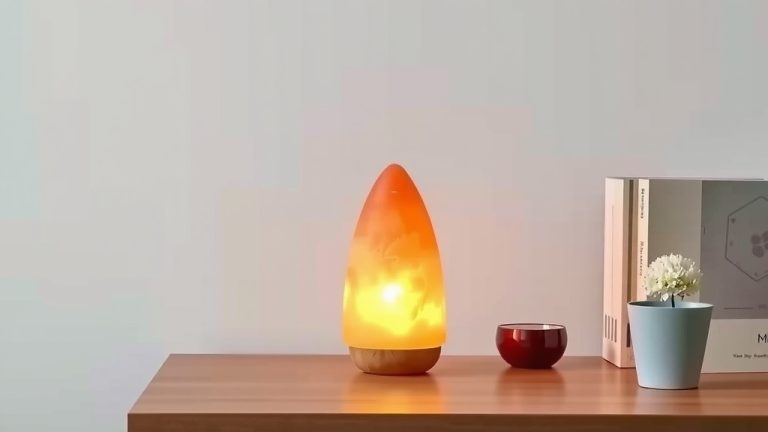
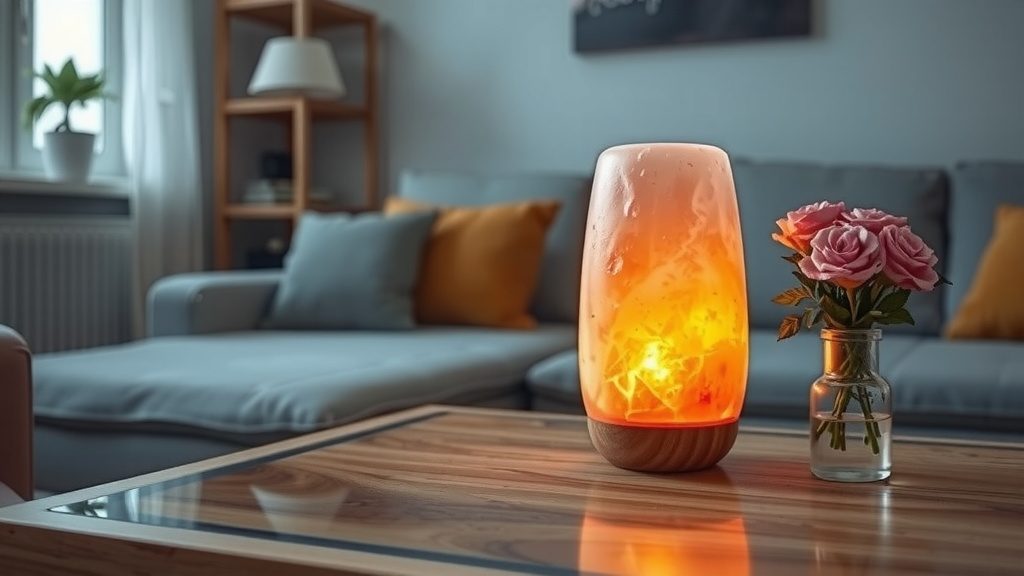
- The glow is steady, amber, and reaches across the room.
- You don’t see flickering or dark spots in the salt.
- The lamp surface is dry but not bone-dry — light moisture is normal.
Sweating is actually a good sign. It means the salt is pulling moisture from the air, which is exactly what hygroscopic material does. Cleveland Clinic experts note that while this is real chemistry, it doesn’t translate into meaningful air cleaning.
Longer-Term Signs (After a Week or Two)
These are the softer signals people report:
- Your evenings feel calmer with the lamp on.
- You wind down faster than you used to.
- You reach for your phone less at night.
Be careful here. This is where placebo and cozy ambiance overlap. That’s not a bad thing — a ritual that helps you relax is still helping. Just don’t expect it to fix allergies or asthma. For breathing issues, research points to proven tools like air purifiers with HEPA filters (Mayo Clinic).
How to Get the Most Out of Your Lamp
Want the best possible experience? Follow this quick checklist we put together after comparing owner guides and expert advice:
- Use the right bulb: Match the wattage your lamp was sold with, usually 15–25 watts.
- Keep it on 6+ hours daily: Consistency gives the salt time to do its thing.
- Place it in a small room: Bedrooms and offices beat big open spaces.
- Keep it away from moisture: Bathrooms and windowsills near rain cause dripping.
- Wipe it down monthly: A damp cloth keeps the surface working properly.
- Manage expectations: Treat it as mood lighting first, air purifier second.
Placement Tips That Actually Matter
Location changes everything. A lamp three feet from your couch feels completely different from one across the room. We found that people who love their lamps tend to keep them within eyeline — near a bed, desk, or reading chair.
Also, avoid placing it next to a TV or bright lamp. The whole point is the warm, low light. Competing light sources cancel out the mood benefit you’re chasing.
The Bedside Setup
The most popular spot, by far, is the nightstand. Keep the lamp on a low setting and skip overhead lights in the last hour before bed. Exposure to dim, warm light in the evening supports your natural melatonin rhythm, while bright light does the opposite (NIH). This is the single best-researched reason to keep a salt lamp on at night.
When It’s Not Working at All
Sometimes the problem isn’t timing — it’s the lamp itself. If yours stays completely cold after an hour, something’s wrong.
Check the bulb first. Then check the cord connection inside the base. Salt lamps sold as “LED” versions don’t produce heat at all, which means they skip the entire mechanism people talk about. If you want the full experience, an incandescent bulb is non-negotiable.
One more thing: if your lamp never warms up and never glows properly, don’t keep troubleshooting a dud. Replacement cords and bulbs cost a few dollars. They’re worth trying before you give up on the lamp entirely.

Realistic Expectations vs. Marketing Claims
Let’s be straight with you. Marketing around salt lamps often promises cleaner air, better breathing, and boosted mood. The evidence for those claims is thin. What you get instead is something quieter: beautiful light, a calming evening ritual, and a room that feels softer at night.
We found that people who buy salt lamps for what they genuinely offer — ambiance and relaxation — end up happiest. People who buy them expecting air purification usually end up disappointed. Set your expectations at the right level, and the lamp rarely lets you down.
Conclusion
The answer to “how long does it take for salt lamp to work” is simpler than you might think. Your lamp starts glowing the second you switch it on, and most people feel the calming effect the very first evening. Any air-purifying claims? Research and expert reviews show the evidence is thin, so treat that as a bonus, not the main event. What we found is that the real payoff is the warm, dim light and the relaxing bedtime ritual it creates. Set your expectations there, and you’ll love what this lamp actually delivers.
Your next step: pick a cozy spot like your nightstand, swap in the right incandescent bulb, and keep it lit for a few hours tonight. See how the glow changes your evening.
Frequently Asked Questions
Can I leave my salt lamp on all night?
Yes, and many owners do. Just use the bulb wattage your lamp was designed for and keep the cord and base in good shape. A lamp that runs overnight on a low setting is one of the safest ways to enjoy it.
Do salt lamps lose their effect over time?
Not really. Salt doesn’t wear out or expire, so the lamp keeps doing what it does for years. If it seems less effective, the usual culprit is a dim or dying bulb rather than the salt itself.
Why is my salt lamp sweating or dripping water?
Salt naturally pulls moisture from humid air, so some sweating is normal and even expected. If it’s dripping heavily, your room is too damp or the lamp is too close to a moisture source. Try running it more often — a warm lamp stays dry.
Do LED salt lamps work the same as regular ones?
No, they don’t. LED bulbs produce almost no heat, and heat is what drives the whole process people talk about with these lamps. If you want the full experience, stick with an incandescent bulb.
Can a salt lamp help me sleep better?
It can, but not because of ions or cleaner air. The dim, warm glow limits evening bright-light exposure, which supports your natural melatonin rhythm. Think of it as a sleep-friendly lighting choice, not a treatment.