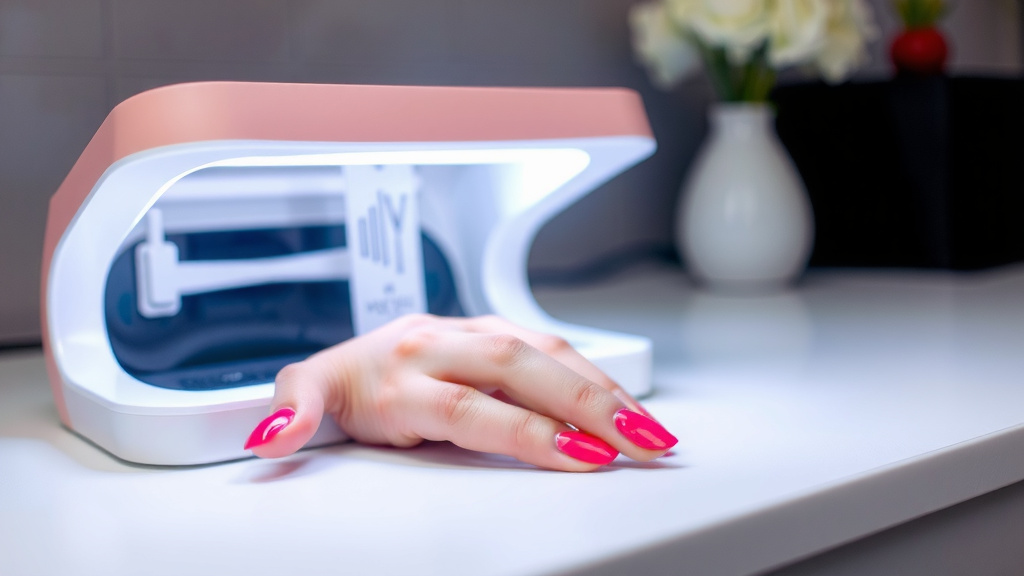
How Long to Leave Gel Nails Under a UV Lamp: Curing Times
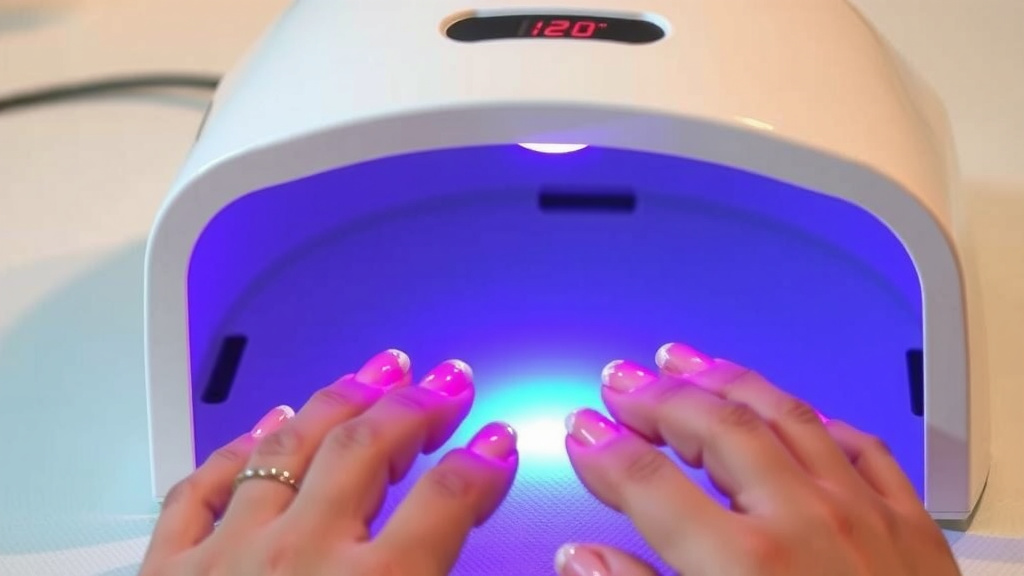
You should leave gel nails under a UV lamp for about 2 minutes per coat. An LED lamp gets the job done faster, usually in 30 to 60 seconds per coat. That includes your base coat, each color layer, and the top coat.
But here’s the thing—timing isn’t one-size-fits-all. The right cure time depends on your lamp’s wattage, the gel brand, and how thick you apply each layer. We researched what gel manufacturers and nail pros recommend, and we found that under-curing is one of the most common reasons gel manicures peel early. Too little time, and your polish stays soft. Too much time in a weak lamp won’t hurt your nails, but it wastes your afternoon.
So how do you know exactly when your nails are done? And what happens if you rush it or leave them in too long? We’ve got the answers.
- Standard UV lamps: cure each coat for about 2 minutes
- LED lamps: cure each coat in 30 to 60 seconds
- Always cure the base coat and top coat separately—don’t skip steps
- Thin layers cure better than thick ones
- Check your gel brand’s bottle for its recommended cure time
Below, we break down everything you need to know about gel nail curing times, so your next manicure lasts weeks instead of days.
Gel Nail Curing Times Explained
The short answer: most gel polish needs 2 minutes under a UV lamp or 30 to 60 seconds under an LED lamp, per coat. But the exact time depends on your lamp, your gel, and how you apply it. Let’s dig into the details so you can nail it every time (pun fully intended).
UV Lamp vs. LED Lamp: What’s the Difference?
Both lamps do the same job—they harden gel polish using ultraviolet light. The difference is speed. LED lamps use a narrower, more intense wavelength, so they cure faster. UV lamps use a broader wavelength range, which takes longer but works with almost every gel brand.
We found that most at-home kits now include LED lamps because they’re quicker. But don’t panic if you have an older UV lamp. It still works; you just need to give each coat more time.
| Lamp Type | Time Per Coat | Best For |
|---|---|---|
| LED (48W or higher) | 30–60 seconds | Fast at-home manicures |
| UV (36W) | About 2 minutes | Most gel brands |
| UV (lower than 36W) | 2–3 minutes | Older or budget lamps |
How Long Should Each Coat Stay Under the Lamp?
A full gel manicure has three stages, and each one gets its own trip under the light. Skipping or rushing a stage is where things go wrong.
Base Coat
Cure your base coat for the full recommended time, usually 30 to 60 seconds on LED or 2 minutes on UV. This layer is the glue that holds everything together. Rush it, and your whole manicure lifts early.
Color Coats
Apply two thin color layers and cure each one separately. Thin layers cure all the way through. Thick ones stay gooey underneath, even when the top looks done. Think pancake batter, not frosting—you want thin and even.
Top Coat
The top coat needs the full cure time too, sometimes a few seconds more. It seals everything and gives you that glossy, glass-like finish. Many experts say a properly cured top coat is what keeps the shine from dulling.
What Happens If You Under-Cure Your Gel Nails?
Under-cured gel is the number one culprit behind peeling, chipping, and manicures that barely last a week. The polish may feel dry on the surface but stay soft underneath. That soft layer can’t protect your nail.
Here’s another reason to care: uncured gel can irritate your skin. Dermatologists warn that repeated skin contact with uncured acrylates can lead to allergic contact dermatitis, which causes itching, redness, and sometimes blisters (American Academy of Dermatology). Once you develop that allergy, even acrylics and other nail products can trigger reactions for life. That’s not a fun surprise.
The fix is simple: follow the bottle’s cure time, use thin layers, and keep gel off the skin around your nails.
Can You Leave Gel Nails Under the Lamp Too Long?
Good news—leaving your nails in a little longer won’t ruin them. Once gel is fully cured, extra time doesn’t make it harder or better. Your manicure is done, and the lamp is just heating the air at that point.
The bigger concern is UV exposure over time. UV lamps emit small amounts of UVA rays, and dermatologists suggest limiting that exposure where you can (Skin Cancer Foundation). A few easy habits help:
- Apply broad-spectrum sunscreen to your hands 20 minutes before your manicure
- Wear fingerless UV-protective gloves during curing
- Keep sessions to the recommended time—don’t add extra minutes “just in case”
Research reviews on nail lamp safety have found that typical use carries low risk, but we still think protecting your hands is a smart, easy win.
Factors That Change Your Gel Cure Time
Not all gels cure at the same speed. Before you set a timer, check these four things.
1. Your Lamp’s Wattage
Higher wattage generally means faster curing. A weak or old bulb can stretch a 60-second cure into 2 minutes. If your lamp is several years old, the bulb may be dimming without you noticing. Replace bulbs or upgrade the lamp if cures start taking longer.
2. The Gel Brand You’re Using
Every brand formulates its polish differently. Some are made for LED only. Some need UV. Always read the bottle or the instruction sheet—it tells you the exact time for your gel. Mixing a brand-made lamp with a different gel brand can also throw off cure times.
3. How Thick You Apply It
Thick blobs need more time and often still cure unevenly. Two or three thin coats always beat one thick one. If you can see the color pooling or leveling slowly, you’ve applied too much.
4. Dark or Bright Colors
We found that dark shades like black, navy, and deep red block light from reaching the lower layers. They may need an extra 15 to 30 seconds per coat. Pale pinks and nudes cure faster because light passes through them easily.
How to Tell If Your Gel Nails Are Fully Cured
Not sure if you’re done? Run these quick checks before you move on:
- Tap your nail with another fingernail—it should feel hard, not tacky
- Look for a smooth, glossy surface with no dull or sticky patches
- Press a fingertip firmly against the cured polish; it shouldn’t dent
- If you see smudges or shine loss, the layer needs more time
- Wipe with a cleanser after curing to remove the sticky inhibition layer
- When in doubt, add 15 seconds—especially with dark colors
One little tip we love: keep a small timer or your phone’s stopwatch next to your lamp. Guessing leads to under-cured nails, and under-cured nails lead to a manicure that flakes off by Tuesday.
Quick Cure-Time Checklist for a Long-Lasting Manicure
Before your next session, run through this list. It takes two minutes and saves you a redo:
- Check the bottle for the brand’s recommended cure time
- Confirm your lamp matches the gel type (LED or UV)
- Apply thin layers and cure each coat separately
- Add extra time for dark or opaque shades
- Keep gel off your cuticles and surrounding skin
- Finish with a full-length top coat cure and a gentle wipe-down
Follow those steps and your gel manicure can realistically last two to three weeks. Your nails—and your schedule—will thank you.
Conclusion
Getting gel nails right really comes down to one skill: curing each coat for the correct amount of time. Give your polish 2 minutes under a UV lamp or 30 to 60 seconds under an LED lamp, and keep every layer thin. Use your lamp’s timer instead of guessing, add a few extra seconds for dark shades, and protect your hands with sunscreen or UV gloves. We found that most manicure disasters trace back to rushed or uneven curing—so a little patience pays off. Before your next session, grab your gel bottle, confirm its recommended cure time, and match it to your lamp. Your nails will look fresh for weeks.
Frequently Asked Questions
Can I cure my gel nails with a UV flashlight or sunlight instead of a lamp?
We don’t recommend it. Sunlight and flashlights don’t deliver a consistent wavelength or intensity, so your gel may cure unevenly or not at all. Under-cured gel stays soft, peels fast, and can irritate your skin. Stick with a proper lamp designed for gel polish. If you don’t own a lamp at all, our guide to curing gel nails without a lamp walks through your options.
Why does my gel nail polish burn under the lamp?
That heat spike usually happens when a layer is applied too thick or the gel cures quickly in a high-wattage lamp. Try applying thinner coats and curing each one for a shorter time in the middle of the layer, then finish the full cure. If the burning continues, switch to a gentler lamp or a different gel brand.
Do I need to cure between coats or can I cure everything at once?
Cure each coat separately—always. Layering wet gel on top of uncured gel traps soft polish underneath, which leads to bubbling, lifting, and chipping. A quick trip under the lamp between each coat keeps every layer solid.
How long do gel nails last if cured properly?
A well-cured gel manicure typically lasts two to three weeks without chipping or peeling. Proper cure time matters more than anything else for longevity. If yours is lifting within a week, your cure times or application thickness are usually the culprits.
Is an LED lamp safer than a UV lamp for gel nails?
Both lamps emit small amounts of UVA light, so neither is completely exposure-free. LED lamps finish faster, which means less total time under the light. Whatever lamp you use, applying sunscreen to your hands or wearing fingerless UV gloves keeps exposure low.