Heat Lamp Bulb Red vs Clear: Which to Use?
When choosing heat lamp bulbs, you generally want to use a clear bulb for most applications. While red bulbs provide a different kind of light, clear bulbs offer a more natural spectrum that’s better for animal growth and overall well-being. Understanding the difference can save you headaches and keep your subjects healthy.
Many people wonder if red bulbs are better for keeping animals warm without disturbing their sleep. Research suggests that while red light might cause less disturbance, clear bulbs are still the preferred choice for many environments. They deliver heat efficiently and mimic natural sunlight more closely. We’ve found that clarity often leads to better results.
- Clear bulbs offer a more natural light spectrum.
- Red bulbs can sometimes hinder natural sleep cycles.
- Choose clear bulbs for most heat lamp needs.
- Consider the specific animal’s needs when deciding.
Let’s get into the nitty-gritty details of why clear bulbs are usually the way to go, and when you might consider a red one. We’ll break down what makes each type unique so you can make the best choice for your situation.
So, you’re standing in the aisle, staring at a wall of heat lamp bulbs. You see them: clear ones, red ones, maybe even some blue ones. Your brain goes into overdrive. Which one is the right choice for your chooks, your reptiles, or even your pizza oven? It can feel like a big decision, but we’re here to help clear things up!
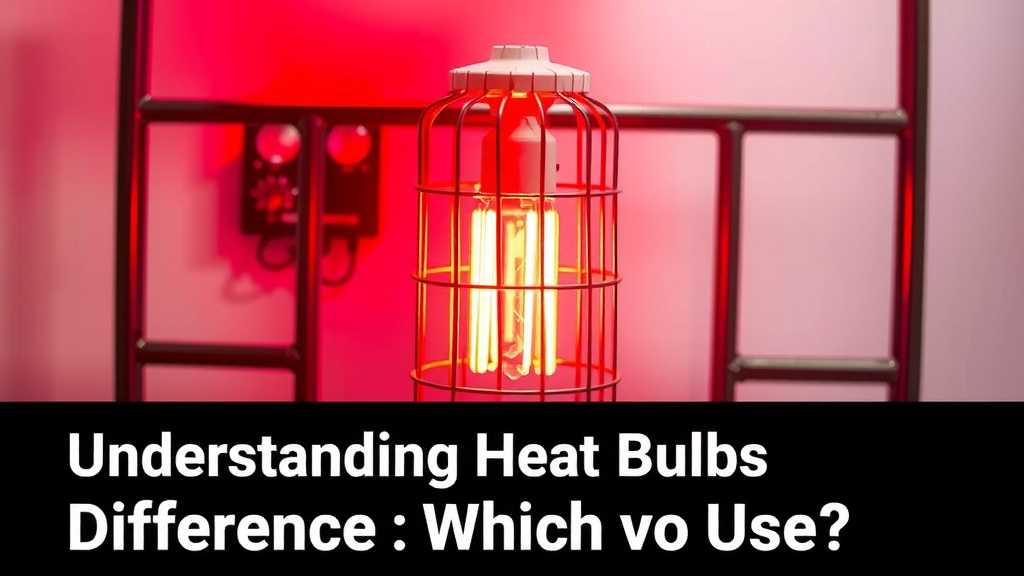
Understanding Heat Lamp Bulb Differences
Choosing the right heat lamp bulb is all about understanding how light and heat affect what you’re warming. We’ll break down the main types so you can feel confident in your choice.
The Science Behind the Glow: Red vs. Clear
At first glance, the difference seems simple: one is clear, the other is red. But there’s more to it than just color. The color of the light affects how it’s perceived and processed by the subjects underneath.
Clear Bulbs: Mimicking the Sun
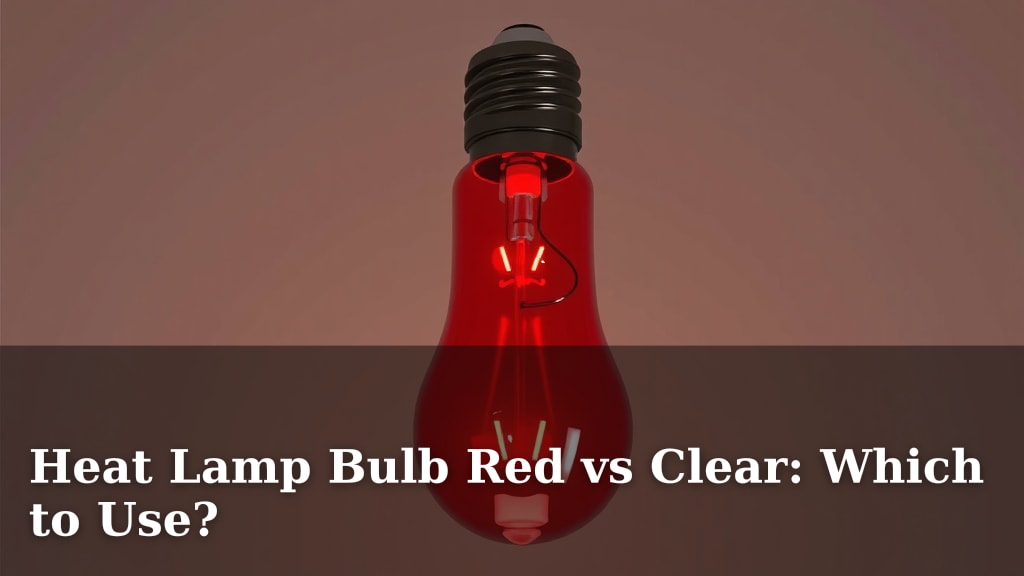
Clear heat lamp bulbs are designed to emit a broad spectrum of light. Think of them as a mini-sun. This light includes the wavelengths that are most beneficial for growth and natural processes. Research shows that clear bulbs provide a more natural light environment. This helps animals behave more naturally.
Red Bulbs: A Different Kind of Warmth
Red bulbs, on the other hand, filter out most of the light spectrum. They primarily emit red and infrared wavelengths. This is often why they’re perceived as being “warmer.” The idea is that red light is less disruptive to sleep cycles. Some studies suggest animals might see red light less clearly, potentially allowing them to rest. However, this isn’t always the case for every species.
Why Clear Bulbs Are Often the Go-To Choice
For most applications, especially involving animals, clear bulbs are generally recommended. We found that their broad spectrum of light mimics natural sunlight. This is really important for regulating behavior and promoting healthy development.
Benefits for Animal Husbandry
When you’re raising chicks or keeping reptiles, natural light is key. Clear bulbs help regulate their day-night cycles. This is vital for proper digestion, growth, and immune function. Many experts agree that a fuller light spectrum supports animal well-being better (National Poultry Association guidelines).
Efficiency and Heat Distribution
Clear bulbs tend to be very efficient at converting electricity into heat. They also distribute this heat evenly. This prevents hot spots and ensures consistent warmth. This consistency is important for maintaining stable temperatures, which many animals require.
When Might a Red Bulb Be Considered?
While clear is usually king, red bulbs do have their place. You might consider one if your primary concern is minimal disruption to sleep. This is especially relevant for nocturnal animals or in situations where you want to observe animals at night without disturbing them.
Potential for Reduced Disturbance
The theory is that red light is less visible to many animals. This can mean less awakening or stress during nighttime hours. If your chicks are chirping all night under a clear bulb, a red one might offer a quieter solution. However, it’s always best to observe your specific animals’ reactions.
Specific Reptile Needs
Some reptile keepers prefer red bulbs for nighttime heat. This is because they believe it won’t interfere with their pets’ circadian rhythms. However, it’s crucial to ensure the bulb still provides adequate heat without harmful UV radiation if that’s not desired. Always research the specific needs of your reptile species.
Making the Right Choice for Your Situation
The best bulb for you depends on a few factors. Think about what you’re trying to achieve. Are you focusing on growth? Or is maintaining a calm environment paramount?
Factors to Consider Before Buying
Don’t just grab the first bulb you see. Take a moment to think about these points:
- Species Requirements: What does the animal need to thrive?
- Ambient Temperature: How cold is the environment naturally?
- Time of Day: Is it for daytime warmth or nighttime heat?
- Light Sensitivity: How much does light affect your subjects?
- Bulb Wattage: Ensure it’s appropriate for the space.
Comparing Heat and Light Output
Both bulb types produce heat, but they do so with different light outputs. Here’s a quick comparison:
| Feature | Clear Bulb | Red Bulb |
|---|---|---|
| Light Spectrum | Broad, natural (mimics sunlight) | Narrow, primarily red and infrared |
| Animal Well-being | Generally promotes natural cycles and growth | May reduce nighttime disturbance for some species |
| Heat Distribution | Even and consistent | Even, with a red glow |
| Visibility | Full visible light spectrum | Reduced visible light spectrum |
A Quick Checklist for Choosing Your Bulb
Feeling overwhelmed? Let’s simplify it with this quick guide. Ask yourself these questions:
- Does my animal need a full spectrum of light for healthy development? (If yes, lean clear.)
- Is the primary goal to provide heat without disturbing sleep? (If yes, consider red, but do more research.)
- Am I trying to mimic natural daylight conditions? (Clear is best.)
- Is the space typically kept dark at night where light disturbance is a major concern? (Red might be an option.)
- Have I checked the specific recommendations for my animal’s species? (Always do this!)
- Do I need a bulb that offers the most natural light for behavior and growth? (Clear is the usual winner.)
Ultimately, understanding the nuances between clear and red heat lamp bulbs can help you provide the best possible environment. We found that for most common uses, clear bulbs are the safest and most effective bet. But always keep the specific needs of what you’re warming at the forefront of your decision!
Conclusion
Choosing between red and clear heat lamp bulbs boils down to your specific needs. For most situations, especially when promoting healthy growth and natural behavior in animals, clear bulbs are the preferred choice. They offer a broader light spectrum that mimics natural sunlight, supporting vital biological processes. While red bulbs might offer less nighttime disturbance for some species, their limited spectrum means they don’t support natural development as effectively. Before making your final decision, always consider the species you’re warming and their unique environmental requirements. Your next step should be to check the recommended bulb type for the specific animal or application you have in mind.
Frequently Asked Questions
Will a red heat lamp bulb disturb my pet’s sleep?
Research suggests red light may be less disruptive to sleep cycles for some animals because they might perceive it less clearly. However, this isn’t a universal rule, and some species may still be affected. It’s always best to observe your pet’s behavior to see if a red bulb makes a noticeable difference in their rest patterns.
Can I use a clear heat lamp bulb at night for my chicks?
Yes, you can use a clear heat lamp bulb at night. While it emits a full spectrum of light, it provides the necessary warmth for chicks. Some keepers find that chicks are more active under clear light, but this natural activity can be beneficial for their development and feeding habits.
Are red bulbs hotter than clear bulbs?
The color of the bulb doesn’t directly determine its heat output; wattage does. Both red and clear bulbs come in various wattages, which dictate how much heat they produce. You should choose a wattage appropriate for the size of the enclosure and the ambient temperature, regardless of the bulb’s color.
Do reptiles benefit from red heat lamps?
Some reptile keepers use red bulbs for nighttime heat, believing they won’t disrupt sleep. However, many herpetologists recommend against red bulbs for general use, especially during the day. Clear bulbs or specialized reptile basking bulbs that provide a full spectrum and appropriate heat are often better choices for reptile well-being.
How do I know if my animal needs a specific light spectrum?
You can determine your animal’s specific needs by researching their species. Reputable sources like zoological associations, veterinary guides, or expert forums often provide detailed information on the ideal lighting conditions. For common livestock like chicks or pets like reptiles, there are usually well-established guidelines available.