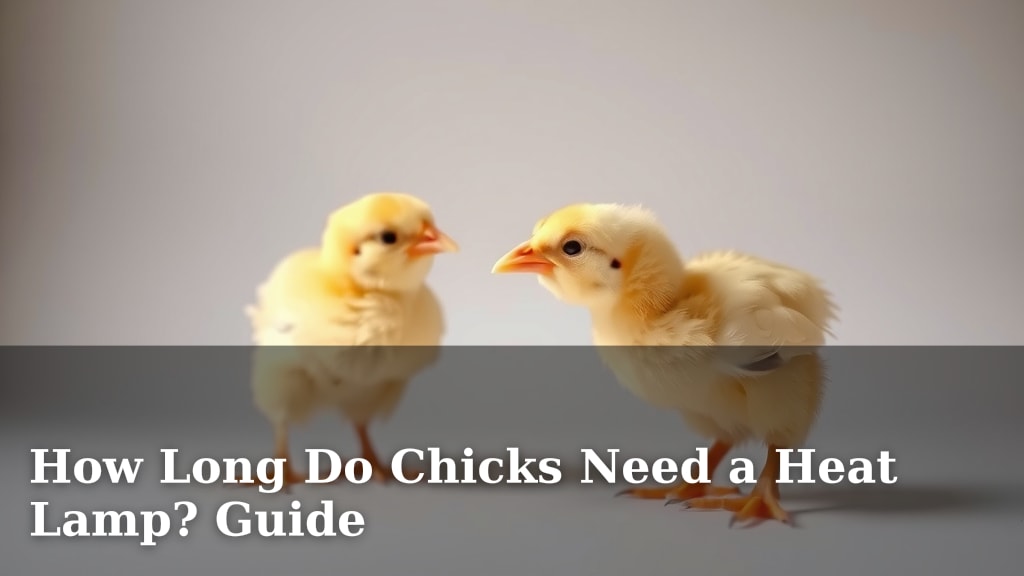
How Long Do Chicks Need a Heat Lamp? Guide
Chicks generally need a heat lamp for the first 4 to 6 weeks of their lives, depending on the breed and ambient room temperature. They rely on this artificial warmth to maintain their body temperature until their down feathers fully develop and they can regulate it themselves. It’s essential to provide the right heat to prevent chilling, which can be fatal for young chicks.
Understanding the specific temperature needs is key to chick success. As they grow, you’ll need to gradually decrease the heat. Monitoring your chicks’ behavior is your best guide to know if they are comfortable. Chirping excessively and huddling together often means they are too cold, while panting and spreading out indicates they are too warm.
- Chicks need heat for 4-6 weeks.
- Temperature needs decrease over time.
- Watch chick behavior for comfort cues.
- Too cold: huddling, chirping.
- Too warm: panting, spreading out.
Let’s walk through exactly how to manage your chicks’ heat source to ensure they stay healthy and happy.
How Long Do Chicks Need Artificial Heat?
Most baby chicks need a heat lamp for about 4 to 6 weeks. This is their critical period for growth and development. They rely entirely on external warmth during this time. Their natural ability to regulate body temperature isn’t fully developed yet. You’re essentially providing the warmth a mother hen would.
The exact duration can vary. Factors like the breed of chick and the ambient temperature of their brooder play a big role. Some breeds might be a little hardier. Others will need heat for the full six weeks. Always observe your chicks closely. They will tell you if they are getting too cold or too warm.
Understanding Chick Temperature Needs
Your primary goal is to mimic a mother hen’s comforting warmth. Chicks are born with a body temperature of about 103°F (39.4°C). They can’t produce enough heat on their own to maintain this. A heat source is non-negotiable for their survival. Chilling can lead to serious health issues and even death.
You’ll need to adjust the temperature as they grow. This gradual reduction is key. Too much heat can be just as harmful as too little. Overheating can cause dehydration and stress. It’s a delicate balance you’ll learn to manage.
The First Week: Maximum Warmth
In the first week of life, your chicks will need the highest heat setting. You’re aiming for a temperature around 95°F (35°C) directly under the heat source. This provides them with a warm zone. They can then move away if they get too hot.
Think of it like a tiny radiator. The heat lamp creates a hot spot in the brooder. The chicks can choose to be in it or out of it. This freedom of movement is important. It allows them to self-regulate within the provided environment. Ensure the heat lamp is securely positioned. Safety first!
Weeks Two and Three: Gradual Cooling
As your chicks move into their second and third weeks, you can start lowering the temperature. Reduce it by about 5°F (3°C) each week. So, week two would be around 90°F (32°C). Week three would drop to about 85°F (29°C).
This gradual decrease is important for their developing systems. It helps their bodies adjust to producing their own heat. Continue to monitor their behavior. They should still be able to huddle together comfortably if they feel a slight chill.
Weeks Four to Six: Less Heat, More Independence
By week four, your chicks should be getting quite fluffy. Their own down feathers are filling in nicely. You can further reduce the heat to around 80°F (27°C). Some might be ready for even less by week five.
By the end of week six, many chicks can manage without a heat lamp at all. This is especially true if your ambient room temperature is reasonably warm. If you’re transitioning them to a coop, ensure it’s draft-free. They will still need protection from cold nights.
| Week of Life | Temperature Under Lamp | Ambient Room Temperature |
|---|---|---|
| Week 1 | 95°F (35°C) | 75-80°F (24-27°C) |
| Week 2 | 90°F (32°C) | 70-75°F (21-24°C) |
| Week 3 | 85°F (29°C) | 70-75°F (21-24°C) |
| Week 4 | 80°F (27°C) | 70°F (21°C) |
| Weeks 5-6 | 75-80°F (24-27°C) | Room Temperature |
Reading Your Chicks’ Signals: Are They Comfortable?
The best way to know if you’re getting the temperature right is to watch your chicks. They are surprisingly good communicators. Their chirps and movements tell a story.
Signs They Are Too Cold
If your chicks are huddled tightly together directly under the heat lamp, they are likely too cold. You might also hear constant, high-pitched chirping. This is a sign of distress. They are trying to generate warmth as a group. Imagine trying to warm your hands on a cold day by clutching them together.
Signs They Are Too Warm
On the flip side, if chicks are spread out as far as possible from the heat source, they are too warm. You might see them panting, holding their wings slightly away from their bodies, or appearing lethargic. This is their way of trying to cool down. They look like tiny, fluffy sunbathers trying to escape the heat.
Just Right!
When the temperature is perfect, your chicks will be spread out comfortably in the brooder. Some might be under the heat lamp, some might be closer to the edges. They will be active, eating, drinking, and pecking. Chirping will be normal and contented. They look relaxed and are exploring their space.
Choosing the Right Heat Source
There are a few popular options for heating your brooder. Each has its pros and cons. The most common is the classic heat lamp. These are typically ceramic heat emitters or bulbs designed for reptiles.
Another option is a brooder plate. This is a flat, heated surface that chicks can gather under. Many find these safer than lamps. They reduce the risk of fire. They also provide a more consistent, gentle heat. Some people also use under-tank heaters designed for reptiles. You can also use a safe, radiant heat panel.
Safety First with Heat Sources
Regardless of the type of heat source you choose, safety is paramount. Heat lamps can be a fire hazard if not installed properly. Always secure them firmly above the brooder. Use a hardware cloth or cage to prevent chicks from touching the bulb. This is a critical safety step.
Brooder plates are generally safer. However, ensure they are placed on a stable surface. Keep flammable materials away from any heat source. Always have a thermometer in the brooder. This allows you to accurately measure the temperature. A simple infrared thermometer works well.
Your Chick-Raising Checklist
To make sure you’re on the right track, here’s a quick checklist:
- Have a thermometer in the brooder at all times.
- Check chick behavior for comfort cues daily.
- Adjust heat source height or temperature weekly.
- Ensure the heat source is securely mounted.
- Provide a way for chicks to get away from the heat.
- Have a backup heat source just in case.
Conclusion
You’ve learned that chicks rely on artificial heat for the first 4 to 6 weeks. Gradually decreasing the temperature is key to their development. Always watch your chicks for signs of being too cold or too warm. Their behavior is your best indicator of comfort. Providing the right heat source and maintaining safety ensures your fluffy friends thrive. Now you’re ready to give your new flock the warmest welcome!
Frequently Asked Questions
Can chicks freeze without a heat lamp?
Yes, chicks can freeze without a heat source. Their bodies cannot regulate temperature effectively for the first few weeks. Chilling can quickly lead to serious health issues or even death. It’s essential to provide consistent warmth in their brooder.
What happens if my chicks are too hot?
If chicks are too hot, they will pant, spread out, and try to get away from the heat source. They might also appear lethargic. Overheating can lead to dehydration and stress. You need to reduce the temperature or increase the space away from the heat.
Do different breeds of chicks need heat for different amounts of time?
Yes, breed can influence how long chicks need supplemental heat. Some breeds are hardier and might adapt to cooler temperatures sooner. Others might require heat for the full 6 weeks. Always observe your specific chicks’ behavior as the best guide.
How do I know if my heat lamp is too high or too low?
Your chicks’ behavior tells you. If they are constantly huddled directly under the lamp and chirping, it’s too high or they are too cold. If they are spread far away and panting, it’s too low or they are too hot. Aim for them to be spread comfortably in the brooder.
Can I use a regular light bulb as a heat source for chicks?
No, a regular incandescent light bulb is not recommended as a primary heat source. They don’t provide the right kind of heat and can pose a fire risk. It’s best to use specialized heat lamps, brooder plates, or radiant heat panels designed for poultry.
![10 Best Bulb For Bedroom Lamp [2026]](https://bestdesklamp.com/wp-content/uploads/2026/08/10-best-bulb-for-bedroom-lamp-2026-featured-768x432.jpg)

![10 Best Craft Floor Lamp [2026]](https://bestdesklamp.com/wp-content/uploads/2026/09/10-best-craft-floor-lamp-2026-featured-768x432.jpg)