How Does a Filament Lamp Work Explained Simply
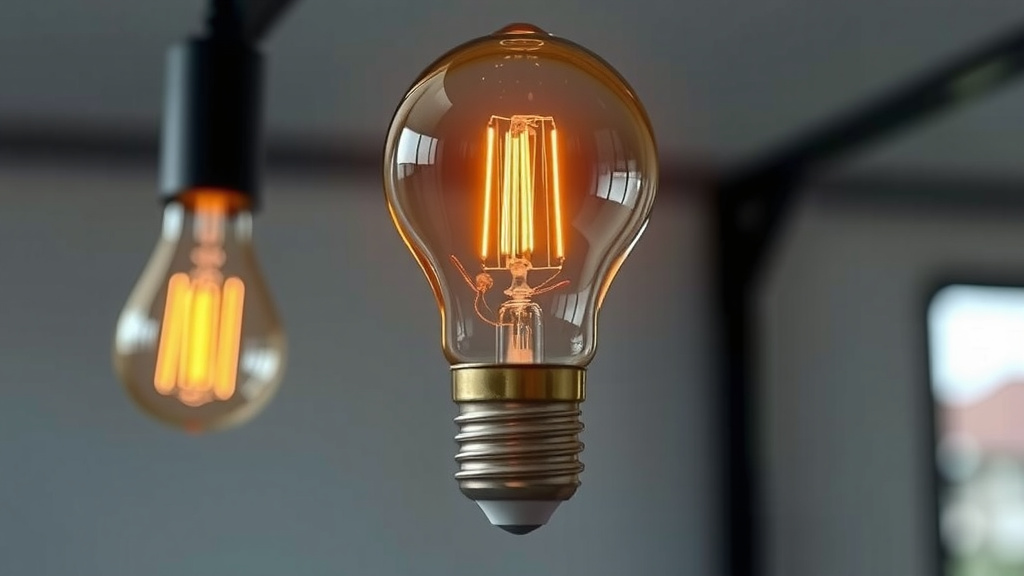
A filament lamp works by passing an electric current through a thin wire, called a filament, causing it to get extremely hot and emit visible light. This process is called incandescence, where heat generates light. So, when you flip that switch, you’re basically making a tiny wire glow brightly!
The filament is typically made from tungsten because it can withstand very high temperatures without melting, often reaching over 2,500 degrees Celsius. The glass bulb surrounding the filament is usually filled with an inert gas or a vacuum to prevent the filament from burning up too quickly and to extend its lifespan. It’s a surprisingly simple yet effective design!
- Filament lamps use electricity to heat a thin wire.
- This wire, called a filament, glows brightly.
- The process is known as incandescence.
- Tungsten is a common material for the filament.
- A vacuum or gas inside prevents it from burning out.
We found that understanding the basics of how a filament lamp lights up is quite fascinating. Let’s dive into the science behind this common household item and learn exactly what makes that familiar glow happen.
How Incandescent Bulbs Create Light
You’ve probably flipped a light switch a million times without a second thought. But have you ever wondered what’s really happening inside that bulb to make your room bright? It’s all about a simple, yet brilliant, scientific principle: incandescence.
The Magic of Heating Things Up
Incandescence is just a fancy word for producing light by heating something up. Think about a blacksmith working with metal. When they heat a piece of iron until it glows red-hot, they’re using incandescence. A filament lamp does the same thing, but on a much smaller scale and much, much hotter.
The Tiny Wire That Glows
The heart of an incandescent bulb is its filament. This is a very thin wire, so thin you can barely see it. It’s carefully coiled up inside the glass bulb. When you turn on the lamp, electricity flows through this filament.
Why Tungsten?
Filaments aren’t made from just any old metal. They’re almost always made from tungsten. Why tungsten? Well, tungsten has an incredibly high melting point. We’re talking about temperatures over 2,500 degrees Celsius (4,500 degrees Fahrenheit)! That’s hotter than lava, hotter than most metals can even dream of getting without turning into a puddle.
This extreme heat resistance is crucial. If the filament were made of a metal that melts easily, it would simply vaporize the moment electricity flowed through it. Tungsten’s ability to withstand such intense heat allows it to glow brightly without destroying itself instantly.
Electricity’s Journey Through the Filament
Imagine electricity as tiny, energetic particles rushing through a wire. When these particles are forced through the very narrow tungsten filament, they encounter a lot of resistance. This resistance causes friction, and just like rubbing your hands together makes them warm, this friction generates a tremendous amount of heat.
The filament gets so hot that it starts to glow, emitting light. The hotter it gets, the brighter the light and the more towards the white and blue end of the spectrum it shifts. This is the fundamental process: electricity meets resistance, resistance creates heat, and heat creates light.
Keeping the Filament Alive and Glowing
So, if the filament gets so hot, why doesn’t it just burn up like a matchstick? That’s where the rest of the bulb’s design comes into play. It’s all about protecting that delicate filament.
The Role of the Glass Bulb
The glass bulb isn’t just there to hold the filament. It serves a very important purpose: shielding the filament from oxygen. Oxygen is what makes things burn. If oxygen could get to the super-hot tungsten filament, it would ignite and burn away almost instantly, like a tiny sparkler.
Vacuum vs. Inert Gas
To prevent this burning, the air is removed from the inside of the bulb, creating a vacuum. In many older or lower-wattage bulbs, this vacuum is enough to keep the filament from burning. However, even in a vacuum, some tungsten atoms will evaporate from the filament over time, causing it to thin out and eventually break.
For longer-lasting bulbs and higher wattages, the bulb is often filled with an inert gas. Common choices are argon or nitrogen, or a mixture of both. These gases don’t react with the tungsten. They help slow down the evaporation of the filament material. Think of it like a gentle blanket surrounding the filament, preventing it from flying away too quickly.
The Evaporation Problem
Even with these protections, the tungsten filament does slowly evaporate over time. As tungsten atoms leave the filament, the wire gets thinner and thinner. Eventually, it becomes so thin that it can no longer withstand the heat and breaks. This is what causes a light bulb to “burn out.”
What Happens When It Burns Out?
When the filament breaks, the electrical circuit is interrupted. Electricity can no longer flow through the bulb. That’s why the light goes off. The bulb might flicker just before it breaks, as the filament struggles and thins out.
Comparing Incandescent Bulbs to Other Technologies
Incandescent bulbs were once the standard, but technology has moved on. Understanding how they work helps explain why newer bulbs are often preferred.
Efficiency: The Big Difference
Incandescent bulbs are notoriously inefficient. When we found research on this, it was quite eye-opening. A large portion of the electricity they consume isn’t turned into visible light. Instead, it’s converted into heat. In fact, many experts say that only about 5-10% of the energy becomes light. The rest is mostly wasted as heat (U.S. Department of Energy). Incandescent bulbs are notoriously inefficient; understanding how they work helps explain why newer bulbs are often preferred.
This is why an old incandescent bulb feels warm to the touch even when it’s off. It’s radiating a lot of heat. Newer technologies like LED and CFL bulbs are much better at converting electricity into light, using significantly less energy for the same brightness.
Lifespan and Durability
Incandescent bulbs typically last for about 1,000 hours. While this might seem okay, it’s much shorter than many modern bulbs. Their glass bulbs can also be fragile, making them susceptible to breakage from bumps or vibrations.
A Quick Look at the Numbers
Here’s a simple comparison, though remember these are general figures:
| Bulb Type | Energy Efficiency | Typical Lifespan | Light Output (Lumens per Watt) |
|---|---|---|---|
| Incandescent | Low | ~1,000 hours | ~15-17 |
| CFL (Compact Fluorescent) | Medium | ~8,000-10,000 hours | ~60-70 |
| LED (Light Emitting Diode) | High | ~25,000+ hours | ~80-100+ |
The Familiar Glow
Despite their inefficiencies, incandescent bulbs produce a very warm, familiar light that many people enjoy. It’s a light that has been a part of our homes for over a century. However, as energy costs rise and environmental concerns grow, understanding these differences helps us make informed choices for our lighting needs.
Your Incandescent Bulb Checklist
To recap what makes your old-fashioned bulb shine, remember these key points:
- Electricity flows through a thin wire (filament).
- The filament gets extremely hot due to electrical resistance.
- This heat causes the filament to glow, producing light (incandescence).
- Tungsten is used for its high melting point.
- A vacuum or inert gas prevents the filament from burning up.
- Most of the energy is released as heat, not light.
Conclusion
You’ve now seen the simple yet ingenious way a filament lamp lights up your space. It’s all about incandescence: heating a tungsten filament so hot it glows. While this old-school technology gives us a warm, familiar light, we also learned it’s quite inefficient, converting most energy to heat rather than light. Considering newer, more energy-saving options like LEDs is a smart next step for your home.
Take a moment to look at the bulbs in your home. Are they still the classic incandescent type? Making the switch to energy-efficient lighting is a great way to save money and help the planet. Your wallet and the environment will thank you!
Frequently Asked Questions
How long do incandescent bulbs typically last?
Incandescent bulbs generally have a lifespan of about 1,000 hours. This is significantly shorter than many modern lighting options like LEDs, which can last 25,000 hours or more. You might notice them flickering or dimming before they finally burn out.
Why do incandescent bulbs feel hot to the touch?
Incandescent bulbs produce a lot of heat because they are not very energy efficient. Most of the electricity they consume is converted into heat energy, not visible light. This is why the glass bulb itself can become quite warm, even hot, when the light is on.
What happens inside the bulb when it “burns out”?
When an incandescent bulb burns out, it means the thin tungsten filament inside has broken. This break interrupts the flow of electricity through the bulb, causing the light to go off permanently. The filament breaks because it slowly evaporates over time due to the extreme heat.
Is it safe to use incandescent bulbs around children or pets?
While not typically dangerous, you should exercise caution. The glass bulb of an incandescent lamp can get very hot, posing a burn risk if touched. Also, the bulbs are fragile and can break if dropped or bumped, which could create sharp glass shards.
Why don’t all light bulbs use the incandescent design anymore?
Incandescent bulbs are being phased out in many places because of their low energy efficiency. Newer technologies like LEDs and CFLs use much less electricity to produce the same amount of light, saving you money on your energy bills and reducing environmental impact.
![10 Best Bedside Lamp With Phone Charger [2026]](https://bestdesklamp.com/wp-content/uploads/2026/08/10-best-bedside-lamp-with-phone-charger-2026-featured-768x432.jpg)