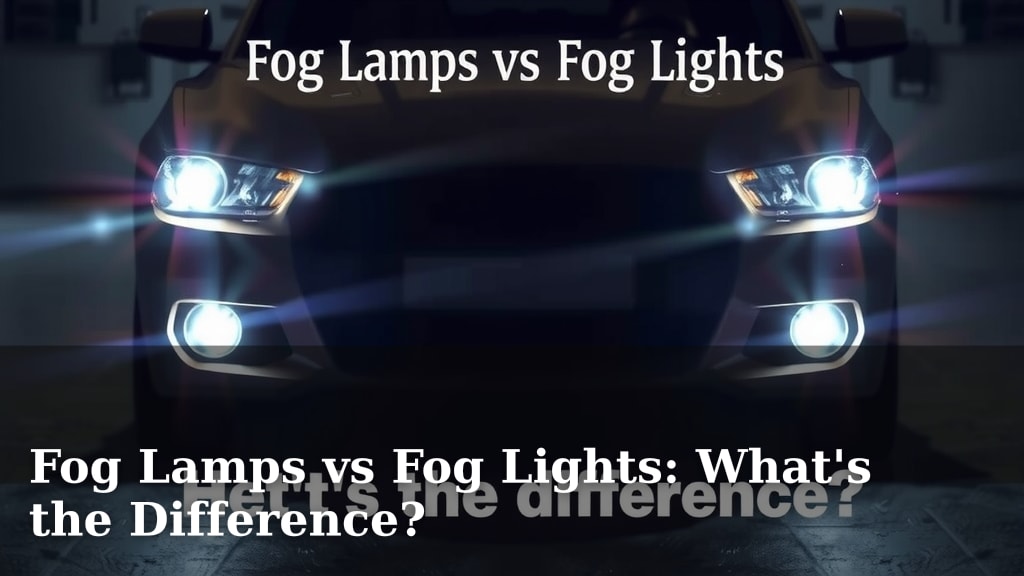
Fog Lamps vs Fog Lights: What’s the Difference?
Fog lamps and fog lights are actually the same thing. You might hear them called by different names, but they serve one primary purpose: to help you see better in low-visibility conditions like fog, rain, or snow. They work by using a beam that’s designed to cut through the dense air close to the ground, helping you spot hazards you might otherwise miss. The key is their placement and the type of light they emit, which is usually a wide, low beam.
So, whether your car came with them from the factory or you’re thinking about adding them, understanding how these lights function is key. They’re not meant for general driving illumination, like your headlights. Instead, they’re a specialized safety feature. Many drivers aren’t sure when to use them or if they’re even legal in all conditions, which can be confusing. We found that proper use can make a big difference.
- Fog lamps and fog lights are the same.
- Their job is to help you see in bad weather.
- They project a low, wide beam of light.
- They are different from your regular headlights.
- Knowing when to use them is important for safety.
Let’s clear up any confusion you might have about fog lamps versus fog lights. We’ll break down exactly what they are and how they can improve your driving safety.
Understanding Your Vehicle’s Fog Lights: A Deeper Dive
You might be wondering if “fog lamps” and “fog lights” really mean different things. We’ve found that, for all practical purposes, they’re the same automotive component. The names are used interchangeably, and they both refer to those specialized lights on your vehicle designed to cut through poor visibility. Think of them as your car’s secret weapon against pea-soup fog or heavy rain.
Why Your Car Needs Fog Lights in Bad Weather
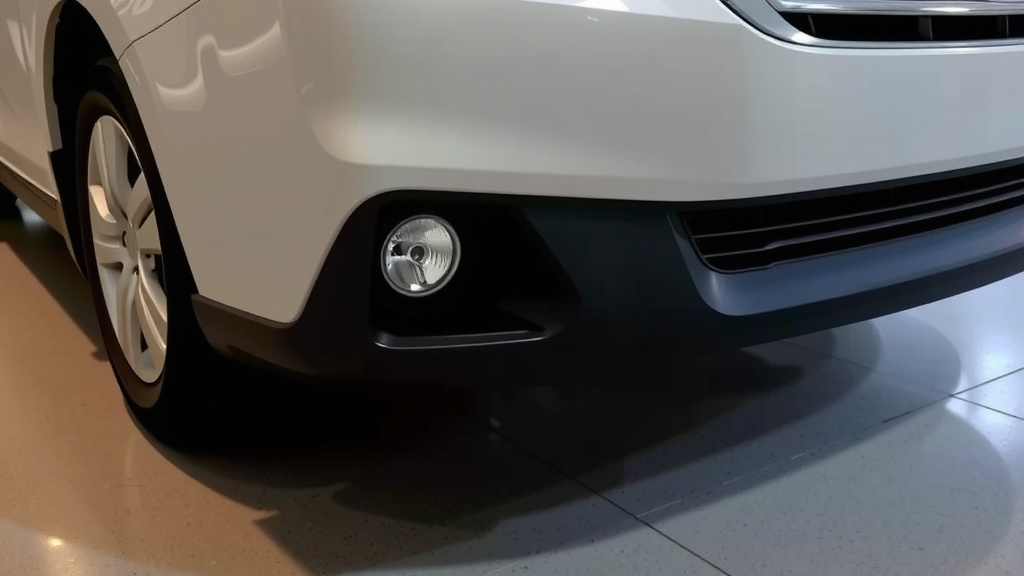
Your regular headlights are great for general illumination. They point forward and downward, lighting up the road ahead for a good distance. But in dense fog, that light bounces back. This creates a glare that can actually make it harder to see. Fog lights are different. They are mounted lower on your car, usually below the bumper. This placement is key.
The Science Behind the Low Beam
The magic of fog lights lies in their beam pattern. Instead of a focused beam, they project a wide, flat, and low pattern. This low angle is designed to stay under the fog or mist. It illuminates the road surface directly in front of your vehicle. This helps you spot hazards like potholes or debris that your headlights might miss in low visibility. We found this low-lying light is critical for spotting the edge of the road, too.
Different Types of Fog Lights
While the function remains the same, there are a few variations you might see. These mainly come down to the color of the light emitted and the bulb technology used.
Color of the Light
You’ll often see fog lights with a yellow or amber hue. This isn’t just for looks. Research suggests that yellow light can penetrate fog and rain better than white light. It tends to scatter less in moisture. Many experts recommend this color for maximum visibility in adverse conditions (National Highway Traffic Safety Administration).
Bulb Technology
Like your main headlights, fog lights can use different bulb types.
- Halogen: These are common and provide a warm, yellow light. They are generally less expensive.
- LED: Light Emitting Diodes are becoming more popular. They are very energy-efficient and can last a long time. LEDs can produce a brighter, whiter light, but some are designed to mimic the yellow tint.
- HID (High-Intensity Discharge): These offer a very bright, white light. They are less common in factory-installed fog lights but can be an aftermarket upgrade.
When to Use Your Fog Lights (And When Not To)
This is where many drivers get confused. Fog lights are not for general driving. They are a specialized tool. Using them incorrectly can be annoying to other drivers and sometimes even unsafe.
Conditions That Call for Fog Lights
The clue is in the name: fog. But they are also useful in other low-visibility situations.
- Heavy fog (when visibility is significantly reduced).
- Dense rain or snowstorms.
- Dust storms.
- Conditions where you can barely see the road ahead or the edges of the road.
When to Keep Your Fog Lights Off
There are times when using fog lights can actually be a hindrance.
- Clear weather: They provide no benefit and can be distracting to oncoming drivers.
- Light rain or mist: Your headlights are usually sufficient.
- Driving behind other cars: The glare from your fog lights can be irritating to the driver in front of you.
- When your headlights are sufficient: If you can see perfectly well with just your low-beam headlights, turn off the fog lights.
Fog Lights vs. Headlights: A Quick Comparison
Let’s lay out the main differences so it’s crystal clear. We put together a simple table for you.
| Feature | Fog Lights | Headlights (Low Beam) |
|---|---|---|
| Purpose | Improve visibility in dense fog, rain, snow. Cut through glare. | General road illumination for driving. |
| Beam Pattern | Wide, flat, low beam. Stays under fog. | Focused beam, aimed further down the road. |
| Placement | Low on the vehicle, below the bumper. | Higher on the vehicle, typically around the grille. |
| Light Color | Often yellow/amber, but can be white. | Typically white. |
| Best Use | Very low visibility conditions. | Most driving conditions. |
Your Checklist for Safe Driving in Low Visibility
When the weather turns, your safety on the road is the top priority. Having the right lights and knowing when to use them is part of that. Here’s a quick reminder:
- Slow Down: Visibility is reduced, so you need more time to react.
- Use Your Fog Lights (When Needed): Turn them on in dense fog, heavy rain, or snow.
- Turn Off Fog Lights: Switch them off when visibility improves or in clear conditions.
- Avoid Glare: Be mindful of other drivers. Don’t use bright lights that can blind others.
- Check Your State Laws: Ensure you’re using your lights legally.
- Keep Them Clean: Dirt and grime can reduce their effectiveness.
Conclusion
You now know that “fog lamps” and “fog lights” are simply different names for the same thing. Their real value lies in their specialized design: a low, wide beam that cuts through fog and other poor visibility conditions without causing glare. We’ve seen how they differ from your headlights and why using them correctly is key to staying safe. Don’t just turn them on when it’s a little damp; save them for when you truly need them. The next time weather challenges your visibility, remember to slow down, assess the conditions, and use your fog lights strategically. Check your local laws to ensure proper use.
Frequently Asked Questions
Are fog lights the same as driving lights?
No, fog lights are not the same as driving lights. Driving lights, often part of your high-beam headlight system, are designed to illuminate the road far ahead. Fog lights, on the other hand, are designed with a low, wide beam to stay under fog and illuminate the road surface directly in front of your vehicle.
Can I use my fog lights in the rain?
Yes, you can and should use your fog lights in heavy rain. Just like with fog, dense rain can scatter light from your headlights and make it harder to see. The low, wide beam of fog lights helps you better see the road surface and lane markings in such conditions.
Are yellow fog lights better than white ones?
Many sources suggest that yellow or amber fog lights can be more effective in penetrating fog, rain, and snow. This color tends to scatter less in moist conditions, providing better visibility of the road ahead. However, modern white LED fog lights can also be designed for excellent fog penetration.
How often should I clean my fog lights?
You should clean your fog lights regularly, just like your headlights and windshield. Dirt, mud, and road grime can significantly reduce their effectiveness. We recommend checking and cleaning them whenever you wash your car, especially before driving in conditions where you might need them.
Is it illegal to use fog lights when it’s not foggy?
In many places, yes, it can be illegal to use fog lights in clear conditions. They can cause glare for oncoming drivers and pedestrians, which can be distracting or even dangerous. Always check your local traffic laws regarding the use of fog lights to avoid fines.