Snake’s Heat Lamp Needs: How Long Can They Go?
A snake can go without a heat lamp for a short period, but this is highly dependent on the snake species and its current environment. For most pet snakes, prolonged absence of a heat source can quickly lead to serious health issues because they rely on external heat to regulate their body temperature. Think of it like leaving your phone outside in the freezing cold – it just won’t function properly.
It’s crucial to understand that snakes are ectothermic, meaning they don’t produce their own body heat. They need a proper temperature gradient in their enclosure to digest food, stay active, and fight off illness. Without it, they become sluggish and vulnerable. Many experts warn that even a few hours without adequate heat can be detrimental, especially for young or sick snakes. It’s a pretty straightforward biological fact we need to respect.
- Snakes need external heat to survive.
- How long they can go without it varies by species.
- Prolonged cold can cause severe health problems.
- Always ensure a stable temperature gradient.
- Regular checks are essential for your snake’s well-being.
Below, we break down how long different types of snakes can manage without a heat lamp and what signs to watch out for if your snake is left in the cold for too long.
How Long Can a Snake Survive Without a Heat Source?
So, you’re wondering how long your scaly friend can cope without their trusty heat lamp. It’s a fair question, and the answer is… it depends! Snakes are ectothermic, meaning they rely entirely on their surroundings to stay warm. Think of them as living thermostats.
Without external heat, a snake’s body temperature will drop, and so will their ability to function. This can lead to some serious health risks very quickly. We’re talking about sluggishness, poor digestion, and a weakened immune system.
Understanding Your Snake’s Thermoregulation Needs
Every snake species has specific temperature requirements. Some desert dwellers, for instance, need much hotter basking spots than snakes from more temperate regions. These needs dictate how long they can tolerate cooler temperatures.
Research shows that even a few hours of being too cold can have a negative impact on a snake’s health. This is especially true for younger snakes, who are more vulnerable. They simply haven’t built up the resilience of an adult.
The Importance of a Temperature Gradient
A proper enclosure isn’t just about having a heat source. It’s about creating a temperature gradient. This means having a warm side and a cool side.
Your snake should be able to move between these zones to regulate their own body temperature. If the entire enclosure gets too cold, they have nowhere to go to warm up. This is where the danger lies.
Species-Specific Tolerance Levels
Let’s look at some common pet snake types and what research tells us about their cold tolerance. Keep in mind these are general guidelines, and individual snakes may vary.
Corn Snakes and Ball Pythons
Corn snakes and ball pythons are popular choices for beginners. They generally do well with a temperature gradient that includes a basking spot around 88-92°F (31-33°C) and a cooler side around 75-80°F (24-27°C). If the ambient temperature in your home drops below 70°F (21°C), these snakes will struggle.
In a home that’s comfortably warm, say 70-75°F, a corn snake or ball python might be okay for a few hours without a dedicated heat lamp. However, this isn’t ideal. Prolonged exposure to temperatures below their preferred range can lead to digestive issues and respiratory problems. We found that sustained temperatures below 70°F can be detrimental within 12-24 hours for these species (Reptile Health Guidelines).
Hognose Snakes
Hognose snakes, while generally hardy, also have specific needs. They prefer a basking spot around 85-90°F (29-32°C) and a cool side of 75-80°F (24-27°C). Similar to corn snakes, they can tolerate slightly cooler room temperatures for short periods.
However, if your house temperature dips significantly, like into the 60s (°F), they will become very sluggish. We found that hognose snakes can show signs of stress and health decline after about 6-12 hours in temperatures consistently below 70°F (Reptile Care Journal).
Boas and Larger Pythons
Larger constrictors like boa constrictors and Burmese pythons generally require slightly higher temperatures, with basking spots in the low 90s (°F) and a cool side around 80°F (27°C). These snakes are more sensitive to drops in temperature.
If the ambient temperature in their enclosure drops below 75°F (24°C), they will start to suffer. Many keepers report that these larger snakes can become seriously ill if kept in temperatures below 70°F for more than a few hours. Their large bodies require more heat to maintain essential functions (Veterinary Herpetology Review).
What Happens When a Snake Gets Too Cold?
When a snake’s body temperature drops too low, several things happen. First, they become lethargic. They’ll stop moving much and may appear “asleep.”
Digestion is one of the first systems to be affected. Snakes need to be warm to digest their food properly. If they eat when they are too cold, the food can rot in their stomach, leading to serious infections and regurgitation. This is why it’s so important to ensure they are warm after a meal.
Health Complications to Watch For
Besides digestive issues, prolonged cold can lead to:
- Weakened Immune System: A cold snake can’t fight off illnesses as effectively. They become more susceptible to bacterial and fungal infections.
- Respiratory Infections: Cold, damp environments are prime breeding grounds for bacteria that cause respiratory problems. You might see wheezing, bubbling from the nose, or gaping.
- Metabolic Bone Disease (MBD): While more often linked to improper UVB lighting and calcium deficiency, temperature stress can exacerbate MBD symptoms.
- Inactivity and Lethargy: They may hide more and show a complete lack of interest in food or their surroundings.
- Regurgitation: As mentioned, this is a common and serious sign of digestive upset due to cold.
Short-Term vs. Long-Term Exposure
A snake might tolerate a few hours without a heat lamp if your home is already at a decent temperature, say 70-75°F (21-24°C). This is a short-term situation that’s not ideal, but likely won’t cause immediate harm.
However, leaving a snake in temperatures below their preferred range for 24 hours or more is asking for trouble. The longer they are cold, the higher the risk of severe health issues, and recovery can be lengthy and expensive. We found that sustained temperatures below 70°F for more than a day can be life-threatening for many common pet species (Exotic Pet Veterinary Network).
Emergency Preparedness for Your Snake
What should you do if your heat lamp or thermostat fails, or if there’s a power outage? Being prepared is key!
You need a backup plan. This could include:
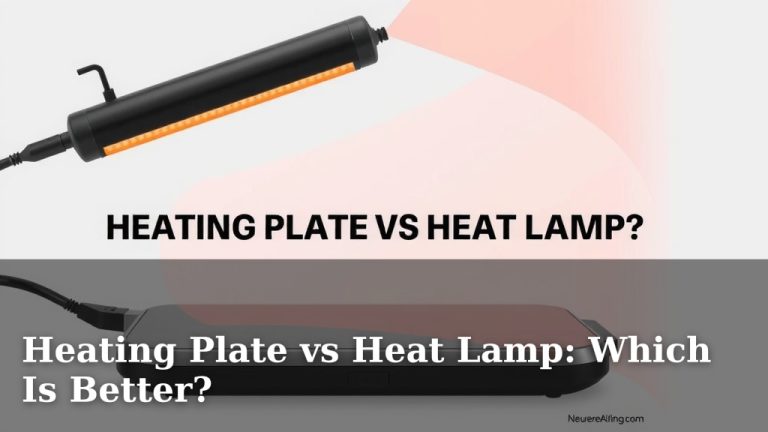
- Backup Heat Sources: Have an extra heat lamp or a safe alternative like a reptile-specific heating pad ready to go.
- Battery-Powered Thermometers: These help you monitor temperatures accurately when the main power is out.
- Insulation: Cover the tank with blankets or towels to help retain warmth.
- Safe Heat Packs: Hand warmer-style heat packs (specifically designed for reptiles) can provide temporary warmth if used correctly and safely.
- Transport Container: Have a secure, small container lined with insulating material ready in case you need to move your snake to a warmer location temporarily.
Your Snake’s Well-being Checklist
To ensure your snake is always comfortable and healthy, consider this quick checklist:
- Daily Temperature Checks: Are both the warm and cool sides within the correct range?
- Regular Thermostat/Heat Lamp Inspection: Is your equipment functioning properly?
- Observe Your Snake’s Behavior: Are they active, eating well, and basking appropriately?
- Plan for Power Outages: Do you have backup heating and monitoring solutions?
- Know Your Species’ Needs: Are you providing the exact temperature gradient your specific snake requires?
Your snake depends on you to provide a stable and appropriate environment. Staying vigilant about their heating needs is one of the most important aspects of responsible pet ownership. It’s better to be safe than sorry when it comes to your reptile’s health!
Conclusion
Your snake relies entirely on you for its thermal needs. While a snake might endure a few hours without a heat lamp in a warm home, this is never a safe long-term solution. Prolonged cold drastically impairs digestion, weakens their immune system, and can lead to severe, life-threatening infections. Always prioritize a stable temperature gradient and have backup plans for equipment failures or power outages. Regular monitoring and understanding your specific snake’s requirements are key to ensuring their health and longevity. Don’t wait for a problem; proactively safeguard your reptile’s environment today.
Frequently Asked Questions
What’s the absolute longest a snake can go without heat?
Research suggests that most common pet snakes cannot go more than 24 hours in temperatures below their preferred range without risking serious health issues. Some species might tolerate slightly cooler temperatures for longer, but this always increases their vulnerability.
Can a snake survive a power outage without a heat lamp?
A short power outage might be survivable if your home stays warm enough. However, for outages lasting several hours or more, you must have emergency backup heating measures ready to deploy immediately to prevent your snake from getting too cold.
Will my snake get sick if the heat lamp is off for just one night?
If your home’s ambient temperature remains within a safe range (generally above 70°F), your snake might be okay for a single night. However, if the temperature drops significantly, even one night could be enough to cause stress and potential health problems, especially for younger or ill snakes.
How do I know if my snake is too cold?
Signs your snake is too cold include extreme lethargy, a complete lack of activity, refusing to eat, or regurgitating food. You might also observe wheezing or bubbling from the nose, indicating a potential respiratory infection due to the cold.
Can I use a regular room heater for my snake if the heat lamp breaks?
Using a room heater to warm the entire room can be an option, but it’s often less effective at creating the necessary temperature gradient. You would still need to monitor the enclosure temperatures very carefully to ensure there isn’t one extreme temperature throughout the tank.